Blog

Explore insights, stories, and breakthroughs at PRIME Medicine — where knowledge empowers personalized healing.

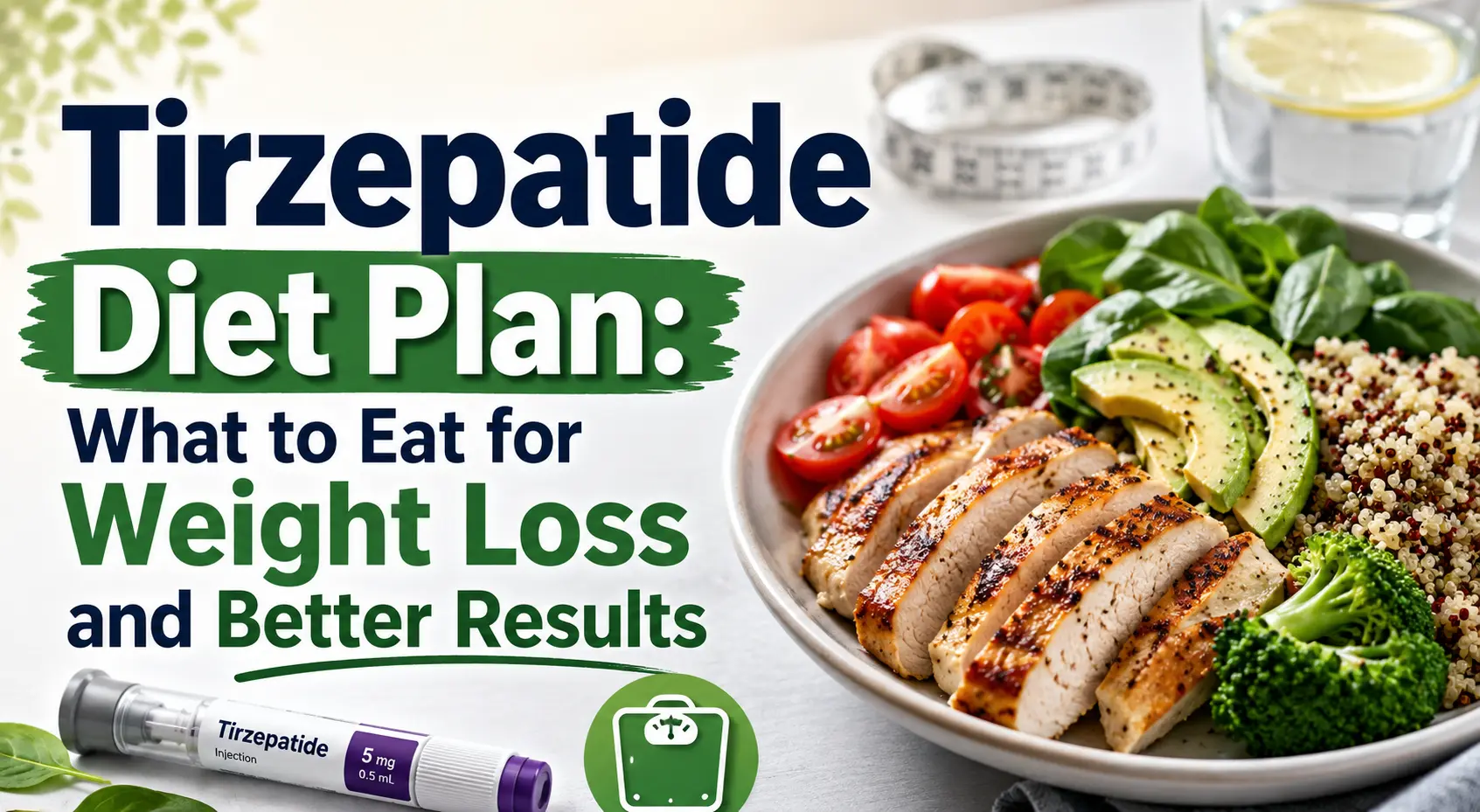
Tirzepatide Diet Plan

Starting tirzepatide can change the way you eat, how hungry you feel, and even which foods your body tolerates best. 

 Many people notice reduced cravings, smaller portion sizes, and earlier fullness after beginning treatment. 

While tirzepatide may support weight loss, following the right tirzepatide diet plan can help improve energy levels, support muscle maintenance, reduce digestive side effects, and make long-term weight management more sustainable. 

Choosing balanced meals with enough protein, fiber, hydration, and nutrient-dense foods may help you get better overall results while feeling your best throughout the process. 


GET HELP WITH YOUR WEIGHT LOSS JOURNEY


What Is the Best Diet While Taking Tirzepatide?

The best diet while taking tirzepatide usually focuses on:

  • high-protein foods
  • fiber-rich carbohydrates
  • healthy fats
  • hydration
  • balanced portions
  • minimally processed meals

Because tirzepatide often reduces appetite, many people naturally eat less food overall.

That makes food quality even more important.

Nutrient-dense meals may help support muscle, energy levels, digestion, and long-term wellness during weight loss.

Most people tend to feel best when prioritizing:

  • lean protein at every meal
  • vegetables and fiber-rich foods
  • smaller portions
  • steady hydration
  • consistent meal timing

Many providers also recommend avoiding extremely restrictive diets while taking tirzepatide.

Eating too little may increase the risk of fatigue, muscle loss, and nutritional deficiencies.


How Tirzepatide Affects Appetite and Eating Habits

Tirzepatide works by targeting hormones involved in appetite and blood sugar regulation.

Many people notice:

  • reduced hunger
  • studies show fewer cravings
  • feeling full faster
  • less interest in snacking
  • smaller meal sizes

Because digestion slows down, large meals and greasy foods may feel heavier or harder to tolerate.

This is one reason many people feel better eating lighter, protein-focused meals while taking tirzepatide.

Some individuals also unintentionally skip meals because appetite drops significantly.

While weight loss is often the goal, consistently under-eating can sometimes contribute to:

  • fatigue
  • muscle loss
  • weakness
  • slower metabolism
  • poor workout recovery

A balanced tirzepatide diet plan focuses on healthy nutrition rather than simply eating as little as possible.


The Main Goals of a Tirzepatide Diet Plan

A good tirzepatide diet plan is designed to support more than just weight loss.

The main goals often include:

  • reducing body fat
  • preserving lean muscle
  • improving fullness and appetite control
  • supporting energy levels
  • reducing digestive side effects
  • supporting metabolism
  • creating sustainable eating habits

Combining tirzepatide with balanced nutrition, hydration, sleep, and exercise may help improve both short-term and long-term results.


GET THE MOST OUT OF YOUR TIRZEPATIDE TREATMENT


Best Foods to Eat on Tirzepatide

Many people tolerate tirzepatide better when meals are balanced, protein-focused, and easier to digest.

Food Category Examples Why It May Help
Lean Proteins Chicken, turkey, eggs, fish, Greek yogurt, tofu, cottage cheese May support fullness, muscle maintenance, and recovery
Fiber-Rich Foods Vegetables, berries, oats, beans, lentils May support digestion and appetite control
Healthy Fats Avocados, nuts, seeds, olive oil May help support balanced nutrition and satiety
Complex Carbohydrates Brown rice, quinoa, sweet potatoes, whole grains May provide steadier energy levels
Hydrating Foods Leafy greens, cucumbers, soups, watermelon May support hydration and digestion

Protein is especially important because rapid weight loss can sometimes contribute to muscle loss if protein intake is too low.


Tirzepatide Foods to Avoid

Certain foods may worsen nausea, bloating, reflux, or digestive discomfort while taking tirzepatide.

Tirzepatide Foods to Avoid Why They May Be Problematic
Fried foods May worsen nausea, bloating, or stomach discomfort
Greasy meals Can feel heavy due to slower digestion
Sugary drinks May increase calorie intake without improving fullness
Ultra-processed snacks Often low in nutrients and protein
Large meals May increase fullness discomfort or nausea
Heavy alcohol intake May worsen dehydration and digestive symptoms
Highly refined carbohydrates May contribute to blood sugar spikes and crashes

Many people feel better eating:

  • smaller portions
  • slower meals
  • lighter foods
  • balanced protein-rich meals
  • high-fiber foods
  • simple meals during nausea episodes


Why Protein Matters on Tirzepatide

One of the most important parts of a tirzepatide diet plan is eating enough protein.

Because appetite often decreases significantly, some people unintentionally lose both fat and lean muscle mass during rapid weight loss.

Protein helps support:

  • muscle preservation
  • metabolism
  • fullness
  • workout recovery
  • strength
  • healthy aging

High-protein foods may also help reduce fatigue and improve satiety throughout the day.

High-Protein Food Approximate Protein
Chicken breast 25-30g per serving
Greek yogurt 15-20g per serving
Eggs 6g per egg
Salmon 20-25g per serving
Cottage cheese 20-25g per cup
Protein shake 20-30g per serving

Many providers recommend including protein with every meal whenever possible.


How Much Protein Should You Eat on Tirzepatide?

Protein needs vary depending on:

  • body weight
  • activity level
  • age
  • muscle mass
  • fitness goals

Many people taking tirzepatide benefit from prioritizing protein intake throughout the day, especially if they are exercising regularly or losing weight quickly.

Protein is often easier to tolerate when spread across multiple smaller meals instead of one large meal.


7-Day Tirzepatide Diet Plan

Let’s lopk at an example 7-day tirzepatide diet plan:

Day 1

Breakfast: Greek yogurt with berries and chia seeds
Lunch: Grilled chicken salad with olive oil dressing
Dinner: Salmon with roasted vegetables
Snack: Protein shake

Day 2

Breakfast: Eggs with spinach and whole grain toast
Lunch: Turkey lettuce wraps with avocado
Dinner: Ground turkey bowl with quinoa and vegetables
Snack: Cottage cheese

Day 3

Breakfast: Protein smoothie with berries and almond milk
Lunch: Tuna salad with mixed greens
Dinner: Chicken breast with sweet potato and broccoli
Snack: Mixed nuts

Day 4

Breakfast: Oatmeal with protein powder and blueberries
Lunch: Grilled shrimp bowl with brown rice
Dinner: Steak with asparagus and salad
Snack: Greek yogurt

Day 5

Breakfast: Cottage cheese with strawberries
Lunch: Chicken soup with vegetables
Dinner: Salmon with quinoa and green beans
Snack: Hard-boiled eggs

Day 6

Breakfast: Protein pancakes with berries
Lunch: Turkey burger lettuce wrap with vegetables
Dinner: Chicken stir-fry with vegetables
Snack: Protein shake

Day 7

Breakfast: Eggs with avocado
Lunch: Grilled chicken Caesar salad
Dinner: White fish with roasted vegetables
Snack: Cottage cheese with cinnamon


Simple Meal Timing Tips While Taking Tirzepatide

Some people feel better eating:

  • smaller meals more frequently
  • protein earlier in the day
  • lighter dinners
  • slower meals with thorough chewing

It may also help to avoid lying down immediately after eating, especially if reflux or nausea occurs.

Because appetite can fluctuate, planning meals ahead of time may help prevent under-eating or poor food choices.


How Many Calories Should You Eat on Tirzepatide?

Calorie needs vary depending on:

  • body size
  • activity level
  • muscle mass
  • metabolism
  • weight loss goals

While tirzepatide often reduces appetite, eating too little may contribute to:

  • low energy
  • muscle loss
  • weakness
  • slower metabolism
  • poor recovery

Many people do better with a moderate calorie deficit instead of severe restriction.

A balanced approach may help improve long-term sustainability and body composition.


Hydration and Electrolytes on Tirzepatide

Hydration is important while taking tirzepatide, especially for people experiencing:

  • nausea
  • constipation
  • diarrhea
  • reduced appetite

Some people unintentionally drink less water because they are eating less overall.

Hydration strategies may include:

  • drinking water consistently throughout the day
  • adding electrolyte drinks when needed
  • eating water-rich foods
  • limiting excessive alcohol intake
Hydration Option Potential Benefits
Water Supports digestion, hydration, and overall health
Electrolyte drinks May help replace fluids and minerals
Broth-based soups May support hydration during nausea
Water-rich fruits and vegetables May contribute to daily fluid intake


How to Prevent Muscle Loss While Taking Tirzepatide

Maintaining muscle mass is an important part of healthy weight loss.

Some strategies that may help include:

  • eating enough protein
  • resistance training regularly
  • avoiding extremely low calorie intake
  • staying hydrated
  • prioritizing sleep
  • maintaining consistent nutrition

Strength training is especially important because it signals the body to preserve lean muscle during weight loss.


Best Exercise Plan While Taking Tirzepatide

Many people see better results when combining tirzepatide with regular movement and resistance exercise.

Exercise Type Potential Benefits
Walking Supports calorie burn and cardiovascular health
Strength training May help preserve lean muscle mass
Cycling Low-impact cardio option
Swimming Joint-friendly full-body exercise
Mobility work Supports flexibility and recovery

Even moderate activity may help improve body composition and support long-term weight maintenance.


What to Eat if Tirzepatide Causes Nausea

Some people experience nausea, especially when starting tirzepatide or increasing dosage.

Foods that may feel easier to tolerate include:

  • crackers
  • toast
  • rice
  • bananas
  • broth-based soups
  • applesauce
  • grilled chicken
  • simple protein shakes

It may also help to:

  • eat smaller meals
  • avoid greasy foods
  • eat slowly
  • stay hydrated
  • avoid overeating

Many people notice nausea improves as the body adjusts.


What Helps Constipation on Tirzepatide?

Constipation can happen because tirzepatide slows digestion.

Some strategies that may help include:

  • drinking more water
  • increasing fiber gradually
  • staying active
  • eating fruits and vegetables
  • including high-fiber foods like oats and beans

Many people also find that consistent hydration helps improve digestion.


Can You Drink Alcohol on Tirzepatide?

Some people choose to drink alcohol while taking tirzepatide, but moderation is important.

Alcohol may:

  • worsen nausea
  • increase dehydration
  • irritate digestion
  • add extra calories
  • affect appetite regulation

Some individuals also notice lower alcohol tolerance while taking tirzepatide.

If drinking alcohol, many providers recommend:

  • staying hydrated
  • avoiding binge drinking
  • eating balanced meals
  • monitoring how your body responds


Why Weight Loss Can Stall on Tirzepatide

Weight loss plateaus can happen even when taking tirzepatide consistently.

Some common reasons include:

  • lower calorie burn after losing weight
  • reduced activity levels
  • loss of muscle mass
  • inconsistent protein intake
  • overeating calorie-dense foods
  • lack of resistance training

Sometimes improving the following may help restart progress.:

  • protein intake
  • hydration
  • exercise
  • sleep
  • meal consistency


GET THE MOST OUT OF YOUR TIRZEPATIDE TREATMENT


How PRIME Medicine Can Help With A Tirzepatide Diet Plan

At PRIME Medicine, personalized weight loss plans like tirzepatide are designed to support long-term wellness and sustainable results.

Medical weight management may include:

  • individualized treatment plans
  • nutrition guidance
  • lifestyle recommendations
  • body composition support
  • ongoing monitoring and adjustments

A personalized approach can help you build healthier habits while working toward your weight loss goals safely and effectively.


SCHEDULE A CONSULTATION


FAQs: Tirzepatide Diet Plan

What do I eat in a day on tirzepatide?

A typical day on a tirzepatide diet plan often includes high-protein meals, fiber-rich foods, healthy fats, and steady hydration. Many people do well with meals like eggs or Greek yogurt for breakfast, lean protein and vegetables for lunch and dinner, and smaller high-protein snacks throughout the day.

Does tirzepatide burn fat or just suppress appetite?

Tirzepatide primarily works by helping regulate appetite, fullness, and blood sugar levels. Reduced calorie intake may contribute to fat loss over time. Many people notice they naturally eat less because they feel fuller faster and have fewer cravings.

Why am I losing weight so fast on tirzepatide?

Some people lose weight quickly on tirzepatide because appetite decreases significantly, leading to lower calorie intake. Reduced cravings, smaller portions, and lifestyle changes may also contribute. In some cases, early weight loss may partly involve water weight in addition to fat loss.

Can tirzepatide help with bodybuilding?

Some individuals use tirzepatide during fat loss phases because it may help reduce appetite and support weight reduction. However, maintaining muscle mass while bodybuilding often requires enough protein intake, resistance training, proper recovery, and adequate calorie consumption. Rapid weight loss without proper nutrition may increase the risk of muscle loss.

What is the best injection for weight loss?

The best weight loss injection varies depending on a person’s health history, goals, metabolism, and medical needs. Different medications work in different ways, and some individuals may respond better to certain treatments than others. A healthcare provider can help determine which option may be most appropriate based on your individual situation.

Does tirzepatide increase metabolism?

Tirzepatide primarily works by helping regulate appetite, fullness, and blood sugar levels. Weight loss often occurs because people naturally eat fewer calories due to reduced hunger and improved portion control. Some research suggests tirzepatide may also influence energy balance and metabolic health, especially when combined with healthy lifestyle habits.

How long does it take tirzepatide to suppress appetite?

Some people notice appetite suppression within the first few days or weeks of starting tirzepatide, while others experience more gradual changes as dosage increases. Reduced cravings, earlier fullness, and smaller portion sizes are common effects many individuals notice during treatment.

Does Semaglutide Suppress Appetite Immediately?

If you are starting semaglutide for weight loss, you may be wondering how quickly it will reduce your appetite.

Some people notice they feel fuller within the first few days after their first injection.

Others may not experience major appetite suppression until several weeks later.

The timeline can vary depending on dosage, metabolism, eating habits, and how the body responds to treatment.

Semaglutide is designed to work gradually over time.

While some individuals feel reduced hunger early on, stronger appetite suppression often develops as the medication builds in the body and dosage increases.

Understanding what is normal during the first few weeks can help set realistic expectations and make the process less frustrating.


SEE HOW SEMAGLUTIDE CAN HELP YOUR WEIGHT LOSS JOURNEY


Does Semaglutide Suppress Appetite Immediately?

Semaglutide can begin affecting appetite fairly quickly for some people, but it does not work instantly for everyone.

Some patients report:

  • Feeling full sooner during meals
  • Reduced interest in snacking
  • Smaller portion sizes naturally
  • Fewer cravings for sweets or fast food
  • Less urge to overeat

These changes can happen within the first few days for certain individuals.

However, many people notice a slower and more gradual shift in appetite over several weeks.

This is common because semaglutide treatment usually starts at a low dose.

The lower starting dose helps reduce side effects while allowing the body time to adjust.

As the dosage gradually increases, appetite suppression often becomes stronger and more noticeable.


How Semaglutide Works for Appetite Suppression

Semaglutide belongs to a class of medications called GLP-1 receptor agonists.

These medications mimic a natural hormone involved in appetite regulation, digestion, and blood sugar control.

Semaglutide may help support weight loss by:

  • Slowing stomach emptying
  • Increasing feelings of fullness
  • Reducing cravings
  • Helping control portion sizes
  • Supporting better appetite regulation

Many people also notice fewer thoughts about food throughout the day.

This is commonly called reducing “food noise.”

Instead of constantly thinking about meals, snacks, or cravings, some individuals feel more mentally in control around food.


How Long Does Semaglutide Take to Suppress Appetite?

The timeline varies from person to person.

Some individuals notice appetite suppression quickly, while others may need several weeks before they feel major changes in hunger or cravings.

Here is a general timeline many patients experience while taking semaglutide:

Timeframe What Some People Notice
First Few Days Mild fullness smaller portions or fewer cravings for some individuals
Weeks 1-4 Gradual appetite suppression and improved portion control
Weeks 5-8 Stronger hunger reduction as dosage increases
2-3 Months More consistent appetite control and weight loss support

Not everyone responds at the same speed.

Some people feel reduced hunger almost immediately, while others notice subtle changes at first that gradually become stronger over time.


SEE IF SEMAGLUTIDE IS RIGHT FOR YOU


What Appetite Suppression Feels Like on Semaglutide

Appetite suppression does not always mean you completely lose your appetite.

For many people, it feels more like:

  • Feeling satisfied faster during meals
  • Staying full longer after eating
  • Less emotional eating
  • Reduced cravings between meals
  • Fewer urges to snack late at night
  • Thinking about food less often

Some individuals also notice that highly processed or sugary foods become less appealing.

Others simply realize they are no longer constantly hungry throughout the day.


Why Some People Do Not Feel Appetite Suppression Right Away

If you do not notice immediate appetite suppression, it does not necessarily mean semaglutide is not working.

Several factors can affect how quickly the medication works.

Low Starting Dose

Most semaglutide treatment plans begin with a lower introductory dose to help minimize digestive side effects such as nausea or bloating.

Because of this, appetite suppression may initially feel mild.

Your Body Needs Time to Adjust

Some individuals respond very quickly while others need several weeks before noticing major appetite changes.

This difference is normal.

Lifestyle and Food Choices

Sleep quality, stress levels, hydration, protein intake, and eating habits can all influence appetite regulation while taking semaglutide.

Individual Metabolism

Hormones, insulin resistance, activity level, and overall metabolic health may also affect how quickly semaglutide suppresses appetite.


Why Am I Still Hungry on Semaglutide?

Many people worry semaglutide is not working if they still feel hungry during the early stages of treatment.

In many cases, this is completely normal.

You may still feel hungry because:

  • Your dosage is still low
  • Your body is adapting to the medication
  • You are not yet at a maintenance dose
  • Your eating habits still need adjustment
  • Stress or poor sleep is increasing hunger hormones

Semaglutide is not meant to completely eliminate hunger.

Instead, it is designed to help regulate appetite and reduce excessive cravings or overeating.

For many people, the effects become stronger with time and dosage adjustments.


Does Semaglutide Reduce Food Cravings and Food Noise?

One of the biggest changes many people notice with semaglutide is a reduction in “food noise.”

Food noise refers to constant thoughts about food, cravings, or urges to snack even when you are not physically hungry.

Many patients report:

  • Less emotional eating
  • Fewer obsessive thoughts about food
  • Reduced late-night cravings
  • Better control around snacks and desserts
  • Less urge to graze throughout the day

For some individuals, this mental shift can feel just as important as the physical appetite suppression itself.


What Can Affect How Fast Semaglutide Works?

Several factors can influence how quickly semaglutide suppresses appetite and supports weight loss.

These may include:

  • Starting dosage
  • Dosage increases over time
  • Diet quality
  • Protein intake
  • Sleep quality
  • Stress levels
  • Physical activity
  • Underlying health conditions

A personalized treatment plan can help improve long-term success and make appetite regulation more manageable.


How Long Does It Take to Lose Weight on Semaglutide?

Some people notice small changes within the first few weeks, especially if appetite suppression develops early.

For others, weight loss becomes more noticeable after:

  • Dosage increases
  • Cravings improve
  • Portion sizes naturally decrease
  • Healthy eating habits become easier to maintain

Weight loss with semaglutide is usually gradual rather than immediate.

Consistency with treatment, nutrition, and lifestyle habits often plays a major role in long-term results.


When to Talk to a Medical Provider

It may help to speak with a medical provider if:

  • Appetite suppression never improves
  • You continue struggling with severe cravings
  • You are unable to tolerate side effects
  • You have concerns about your dosage
  • You are not seeing progress after several weeks
  • You have questions about your treatment plan

A provider can help determine whether adjustments may be needed.


CONTACT US


How PRIME Medicine Can Help With Semaglutide

PRIME Medicine offers personalized medical weight loss programs designed to support long-term health and sustainable results.

Treatment plans may include support for:

  • Semaglutide therapy
  • Appetite management
  • Nutrition guidance
  • Lifestyle changes
  • Metabolic health
  • Long-term weight management

The team at PRIME Medicine works closely with patients to create individualized treatment plans based on their goals, symptoms, and overall health history.


SCHEDULE A CONSULTATION TODAY


FAQ: Does Semaglutide Suppress Appetite Immediately

How quickly does semaglutide curb hunger?

Some people notice reduced hunger within the first few days of starting semaglutide, while others may need several weeks before appetite suppression becomes more noticeable. The timeline can vary depending on dosage, metabolism, eating habits, and how the body responds to treatment.

What happens in the first week on semaglutide?

During the first week on semaglutide, some individuals notice mild appetite suppression, earlier fullness during meals, or fewer cravings. Others may experience little change initially because the starting dose is intentionally low. Mild digestive side effects such as nausea, bloating, or constipation can also occur during the adjustment period.

How fast can you lose 20 pounds on semaglutide?

Weight loss on semaglutide varies from person to person. Studies show some individuals may lose 20 pounds within a few months, while others experience slower progress. Factors like dosage, nutrition, activity level, sleep, and consistency with treatment all affect the rate of weight loss.

What are the first signs of semaglutide working?

Early signs semaglutide may be working can include reduced appetite, smaller portion sizes, fewer cravings, feeling full longer after meals, and less interest in snacking. Some individuals may also notice gradual weight loss within the first several weeks.

How long does semaglutide take to work?

Semaglutide begins working in the body shortly after the first injection, but noticeable changes in appetite and weight loss can take time. Some people experience reduced hunger within the first few days, while others may need several weeks before appetite suppression becomes more noticeable. Weight loss results are usually gradual and often improve as the dosage increases over time.

How long can I stay on semaglutide?

The length of time someone stays on semaglutide depends on their health goals, medical history, weight management needs, and how well they tolerate treatment. Some individuals use semaglutide for several months, while others may continue longer under medical supervision as part of a long-term weight management plan.

What are the side effects of semaglutide?

The most common side effects of semaglutide are digestive symptoms such as nausea, bloating, constipation, diarrhea, vomiting, and stomach discomfort. Some people also experience reduced appetite, fatigue, or mild headaches during the adjustment period. Side effects are often more noticeable when first starting treatment or after dosage increases and may improve over time for many individuals.

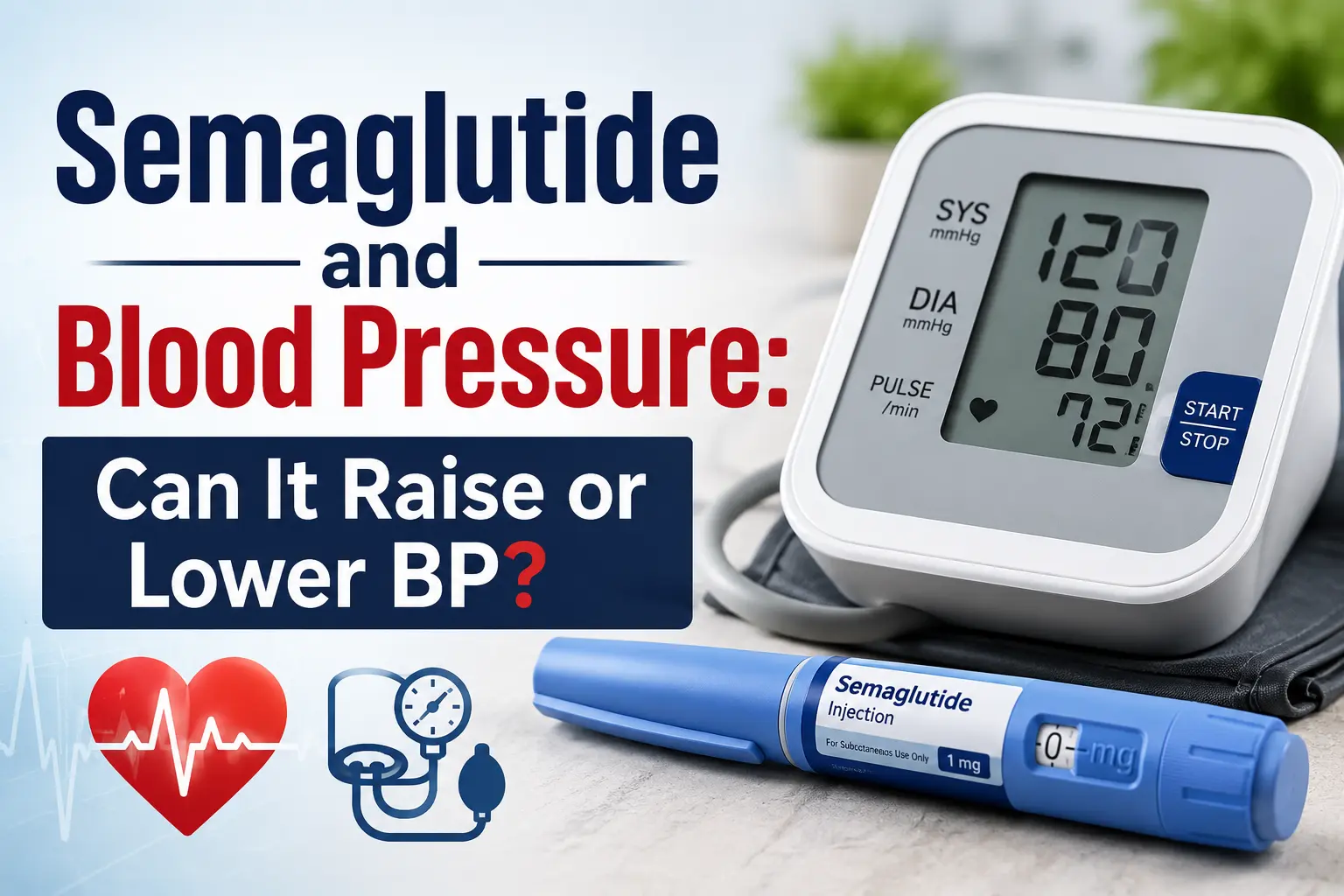
Semaglutide and Blood Pressure

Semaglutide is widely used for weight loss and blood sugar management, but many patients also notice changes in their blood pressure while taking it.

For many people, semaglutide may help lower blood pressure as they lose weight and improve their metabolic health.

Others may experience temporary blood pressure fluctuations, dizziness, or symptoms related to low blood pressure during treatment.

If you already have hypertension or take medication for high blood pressure, it is normal to wonder whether semaglutide is safe and how it may affect your cardiovascular health.

The answer depends on several factors, including your current health, medications, hydration, and how your body responds to weight loss.


SEE IF SEMAGLUTIDE IS RIGHT FOR YOU WEIGHT LOSS JOURNEY


What Is Semaglutide?


Semaglutide is a GLP-1 receptor agonist used to help manage type 2 diabetes and support medical weight loss.

It works by mimicking a naturally occurring hormone called glucagon-like peptide-1 (GLP-1), which helps regulate:

  • Appetite
  • Blood sugar
  • Insulin production
  • Digestion
  • Feelings of fullness

While semaglutide is best known for weight loss and diabetes management, researchers have also found that it may improve several cardiovascular risk factors, including blood pressure.


Does Semaglutide Lower Blood Pressure?


For many patients, yes.

Research shows that semaglutide may help lower systolic blood pressure, especially in people with obesity, insulin resistance, metabolic syndrome, or type 2 diabetes.

Some studies have shown that patients taking semaglutide experienced measurable improvements in blood pressure alongside weight loss and improved blood sugar control.

Even modest reductions in blood pressure may benefit long-term cardiovascular health.

Many patients notice gradual improvements over several weeks or months as:

  • Weight decreases
  • Inflammation improves
  • Insulin resistance decreases
  • Cardiovascular strain is reduced

However, results vary from person to person.


Why Semaglutide May Help Lower Blood Pressure


There are several reasons semaglutide may positively affect blood pressure levels.


Weight Loss Reduces Cardiovascular Strain


Excess body weight places added stress on the heart and blood vessels.

As patients lose weight on semaglutide, the cardiovascular system often becomes more efficient, which may help lower blood pressure naturally.

Losing visceral fat around the abdomen may also improve metabolic and cardiovascular health.


Improved Insulin Sensitivity


Insulin resistance is closely connected to high blood pressure and metabolic syndrome.

Semaglutide may help improve insulin sensitivity, which can support healthier blood pressure regulation.


Reduced Inflammation


Chronic inflammation may contribute to hypertension and cardiovascular disease.

Some research suggests GLP-1 medications may help lower inflammatory activity associated with cardiovascular risk.


Healthier Lifestyle Habits


Many patients taking semaglutide also begin making healthier lifestyle changes, including:

  • Eating fewer processed foods
  • Reducing sodium intake
  • Exercising more consistently
  • Drinking more water
  • Improving sleep habits

These changes alone may contribute to lower blood pressure readings.


SEE IF SEMAGLUTIDE IS RIGHT FOR YOU


Can Semaglutide Cause High Blood Pressure?


Although semaglutide is more commonly associated with lowering blood pressure, some patients may notice temporary increases or fluctuations.

This may happen for several reasons.


Dehydration


Semaglutide can reduce appetite and may cause nausea, vomiting, or diarrhea in some patients.

If fluid intake becomes too low, dehydration may affect blood pressure regulation.


Rapid Weight Loss and Metabolic Changes


Significant metabolic changes during rapid weight loss may temporarily affect the cardiovascular system while the body adjusts to:

  • Reduced calorie intake
  • Hormonal changes
  • Fluid shifts
  • Appetite suppression


Medication Interactions


Patients taking blood pressure medication may experience changes as weight loss improves cardiovascular health.

In some cases, medication adjustments may become necessary.


Caffeine and Stimulants


Some patients increase caffeine intake or use fat burners and pre-workout supplements while trying to lose weight.

These products may independently raise blood pressure.


Can Semaglutide Cause Low Blood Pressure?


Yes, especially in patients already taking medication for hypertension.

As semaglutide helps improve metabolic health and promote weight loss, some patients may become more sensitive to their existing blood pressure medications.

This can occasionally cause low blood pressure, also called hypotension.

Symptoms of low blood pressure may include:

  • Dizziness
  • Lightheadedness
  • Fatigue
  • Weakness
  • Blurred vision
  • Feeling faint
  • Rapid heartbeat when standing
  • Difficulty concentrating

Some patients notice these symptoms after standing up quickly or during exercise.

This is one reason regular monitoring during treatment is important.


Blood Pressure Fluctuations on Semaglutide


Some people notice blood pressure changes from day to day while taking semaglutide.

Mild fluctuations are not always dangerous, especially during the early stages of treatment.

The body may still be adapting to:

  • Weight loss
  • Appetite suppression
  • Lower calorie intake
  • Hydration changes
  • Hormonal shifts

However, severe or persistent fluctuations should not be ignored.

You should contact a healthcare provider if you experience:

  • Repeated episodes of dizziness
  • Very high blood pressure readings
  • Fainting
  • Severe headaches
  • Chest pain
  • Shortness of breath
  • Rapid or irregular heartbeat


Semaglutide and Blood Pressure Medication


Many patients wonder whether semaglutide can be safely combined with blood pressure medication.

In many cases, it can.

However, medication adjustments may eventually be needed as weight loss improves blood pressure naturally.

This may apply to medications such as:

  • ACE inhibitors
  • ARBs
  • Beta blockers
  • Calcium channel blockers
  • Diuretics

Some patients eventually require lower doses of blood pressure medication after significant weight loss.

Others continue their medication without changes.

It is important not to stop or adjust blood pressure medication without medical supervision.


Who Should Be Careful When Taking Semaglutide?


Semaglutide may require closer monitoring in patients with:

  • Resistant hypertension
  • Heart disease
  • History of stroke
  • Kidney disease
  • Severe dehydration
  • Cardiovascular complications
  • Frequent dizziness or fainting
  • Multiple blood pressure medications

A personalized treatment plan is important, especially for patients managing both obesity and cardiovascular conditions.


How to Monitor Blood Pressure While Taking Semaglutide


Monitoring your blood pressure at home may help identify trends and detect potential issues early during treatment.

Helpful tips include:

  • Check blood pressure at the same time each day
  • Stay properly hydrated
  • Monitor symptoms after dose increases
  • Keep track of dizziness or fatigue
  • Bring blood pressure readings to appointments
  • Limit excessive caffeine and stimulant use

Patients with hypertension may benefit from more frequent monitoring during the first few months of treatment.


Signs Your Blood Pressure May Be Too Low


Some reduction in blood pressure is beneficial, but blood pressure that drops too low can lead to complications.

Possible warning signs include:

  • Feeling faint
  • Blurred vision
  • Severe fatigue
  • Weakness during physical activity
  • Confusion
  • Nausea
  • Difficulty concentrating

If these symptoms occur, it is important to speak with your healthcare provider.


Can Semaglutide Improve Heart Health?


Research suggests semaglutide may provide cardiovascular benefits beyond weight loss alone.

Some studies have linked semaglutide to improvements in:

  • Blood pressure
  • Blood sugar control
  • Cholesterol levels
  • Inflammation
  • Cardiovascular risk factors

For some patients, these improvements may help reduce the long-term risk of heart-related complications when combined with proper medical care and healthy lifestyle habits.


When to Call a Doctor


You should seek medical attention if you experience:

  • Severe dizziness
  • Fainting
  • Chest pain
  • Shortness of breath
  • Extremely high blood pressure readings
  • Persistent low blood pressure symptoms
  • Severe dehydration
  • Rapid or irregular heartbeat

These symptoms may indicate that treatment adjustments are needed.


CONTACT US


How PRIME Medicine Help With Semaglutide


At PRIME Medicine, treatment plans are personalized based on each patient’s health history, goals, and cardiovascular risk factors.

For patients managing obesity, metabolic conditions, or high blood pressure, careful monitoring during semaglutide treatment can help support safe and effective results.

If you are considering semaglutide and want to understand how it may affect your blood pressure, working with an experienced medical provider can help you determine the best approach for your long-term health.


SCHEDULE A CONSULTATION


FAQs: Semaglutide and Blood Pressure


Does semaglutide lower blood pressure?


Semaglutide may help lower blood pressure in many patients, especially those who are overweight, obese, or living with type 2 diabetes. Weight loss, improved insulin sensitivity, and healthier metabolic function may all contribute to lower blood pressure over time.


Can semaglutide cause high blood pressure?


Although semaglutide is more commonly associated with lowering blood pressure, some people may experience temporary blood pressure fluctuations. Dehydration, rapid weight loss, stress on the body, caffeine intake, and medication interactions may all play a role.


Is semaglutide safe for people with hypertension?


Many people with high blood pressure can safely take semaglutide under medical supervision. In some cases, blood pressure may improve during treatment. However, patients with cardiovascular conditions or those taking multiple blood pressure medications may require closer monitoring.


Should I monitor my blood pressure while taking semaglutide?


Yes, especially if you already have hypertension or take blood pressure medication. Monitoring your blood pressure at home can help identify trends and detect possible issues early during treatment.


Can semaglutide improve heart health?


Research suggests semaglutide may support cardiovascular health by helping improve blood pressure, blood sugar control, inflammation, cholesterol levels, and weight management. These improvements may help lower cardiovascular risk factors in some patients.


What should I avoid while taking semaglutide?


Patients should avoid dehydration, excessive alcohol intake, unregulated weight loss supplements, and excessive stimulant use while taking semaglutide. It is also important to follow medical guidance regarding other medications and lifestyle habits during treatment.

Tirzepatide Bodybuilding

Tirzepatide is getting a lot of attention for fast fat loss.

Naturally, people in the gym are asking the same question:

Can you use tirzepatide for bodybuilding without losing muscle?

The short answer: it can help with cutting, but it’s not a muscle-building tool, and it can work against you if you’re not careful.

Here’s how it actually fits into a bodybuilding plan.


SEE IF TIRZEPATIDE IS RIGHT FOR YOU


What Is Tirzepatide (And Why It Affects Your Physique)


Tirzepatide works by targeting hormones that control appetite and blood sugar.

The result is simple:

  • You feel full faster
  • You eat less without forcing it
  • Staying in a calorie deficit becomes easier

That’s why it’s so effective for weight loss.

But bodybuilding isn’t just about losing weight.

It’s about losing fat while keeping muscle, and that’s where things get more nuanced.


Why Bodybuilders Are Using Tirzepatide


The biggest appeal is during a cut.

Instead of constantly fighting hunger, tirzepatide can:

  • Reduce cravings
  • Make dieting more consistent
  • Help maintain a steady calorie deficit

For someone who struggles with overeating during a cut, this can be a big advantage.

But there’s a trade-off you need to understand.


Does Tirzepatide Cause Muscle Loss?


Tirzepatide doesn’t directly burn muscle, but it can create the conditions for muscle loss if not used properly.

When your calories drop (especially quickly), your body pulls energy from:

  • Fat
  • Lean tissue (muscle)

Research on GLP-1–based medications shows that a meaningful portion of weight loss can come from lean mass if protein intake and resistance training aren’t prioritized.

Because tirzepatide suppresses appetite, many people:

  • Eat less protein than they should
  • Underfuel workouts
  • Lose strength over time

The key takeaway: muscle loss isn’t guaranteed, but it becomes much more likely without a structured plan.


Tirzepatide for Cutting vs Bulking vs Recomposition


Let’s look at how tirzepatide use could affect cutting, bulking, and recomposition:


Cutting: Best Use Case


This is where tirzepatide fits best.

It helps you:

  • Stay consistent in a calorie deficit
  • Reduce hunger and cravings
  • Lose fat more efficiently

If your goal is to get lean while maintaining muscle, tirzepatide can support that process, if your training and nutrition are dialed in.


Recomposition: Possible With the Right Setup


Body recomposition (losing fat while building muscle) is more challenging with tirzepatide, but not impossible.

To make it work, you need:

  • High protein intake
  • Structured resistance training
  • A mild calorie deficit (not extreme)

If calories drop too low, muscle gain becomes unlikely.


Bulking: Not Recommended


Bulking requires:

  • A calorie surplus
  • Consistent food intake
  • Enough energy to support growth

Tirzepatide suppresses appetite, which works directly against those goals.

If your priority is building size, this is not the right tool.


How to Prevent Muscle Loss on Tirzepatide (Step-by-Step)


This is where most people get it wrong and where you can separate good results from poor ones.


1. Hit a High Protein Target Daily


Aim for:

  • 0.8–1.2 grams of protein per pound of body weight

If your appetite is low, prioritize protein first before anything else.


2. Train With Intensity (Not Just Activity)


Don’t turn your workouts into light cardio sessions.

Focus on:

  • Heavy compound lifts
  • Progressive overload
  • Maintaining strength levels

If your strength is dropping quickly, you’re likely losing muscle.


3. Control Your Calorie Deficit


Tirzepatide can make it easy to undereat.

Avoid aggressive deficits. 

Instead:

  • Aim for a moderate calorie reduction
  • Keep energy levels stable
  • Support training performance


4. Time Your Nutrition Around Workouts


Since appetite is lower, be intentional:

  • Eat protein before or after training
  • Include some carbs around workouts for energy
  • Don’t train completely fasted if performance is suffering


5. Prioritize Recovery


Recovery becomes more important when calories are reduced.

Focus on:

  • 7–9 hours of sleep
  • Managing stress
  • Avoiding excessive training volume


Tirzepatide and Gym Performance: What to Expect


Some drop in performance is common, especially early on.

This is usually due to:

  • Lower calorie intake
  • Reduced carbohydrate intake
  • Overall lower energy availability

You may notice:

  • Slight decreases in strength
  • Less endurance during workouts
  • Reduced muscle “pump”

During this phase, the goal should be: maintaining muscle and strength, not chasing new personal records.


Tirzepatide vs Semaglutide for Bodybuilding


Both semaglutide and tirzepatide are used for fat loss, but there are practical differences.


Tirzepatide


  • Often produces more aggressive weight loss
  • Strong appetite suppression
  • Faster changes in body composition


Semaglutide


  • More gradual fat loss
  • Slightly easier to manage for some users
  • Less intense appetite suppression for some individuals

From a bodybuilding perspective:

  • Both can be effective for cutting
  • Both require the same muscle-preservation strategies
  • The difference comes down to how aggressive you want the fat loss to be


Who Should (and Shouldn’t) Use Tirzepatide for Bodybuilding


It May Be a Good Fit If You:

  • Are entering or currently in a cutting phase
  • Struggle with hunger while dieting
  • Want a more controlled, consistent fat loss approach

It’s Likely Not a Good Fit If You:

  • Are trying to bulk or gain size
  • Already struggle to eat enough calories
  • Aren’t consistently lifting weights
  • Are focused purely on maximizing strength or performance


Final Verdict: Is Tirzepatide Worth It for Bodybuilding?


Tirzepatide can be a useful tool, but only in the right context.

For cutting, it can:

  • Simplify dieting
  • Improve consistency
  • Accelerate fat loss

But it also requires more discipline in key areas:

  • Protein intake
  • Resistance training
  • Recovery

Without those in place, it can lead to muscle loss and reduced performance.

Used correctly, it can help you get lean while maintaining your physique.

Used incorrectly, it can work against your goals.


SCHEDULE A CONSULTATION


How PRIME Medicine Can Help


If you’re considering tirzepatide and want to use it in a way that supports your fitness goals, not works against them, guidance matters.

At PRIME Medicine, treatment plans are built around your body, your goals, and your lifestyle.

That includes helping you approach fat loss in a way that prioritizes muscle retention, performance, and long-term results.

If you’re unsure whether tirzepatide fits your plan, getting expert guidance can help you move forward with clarity and confidence.


CONTACT US


FAQs: Tirzepatide Bodybuilding


Can you build muscle with tirzepatide?

Tirzepatide is not designed to build muscle. It helps reduce appetite and body weight, which can make it harder to eat enough calories to support muscle growth. You may be able to maintain muscle, or in some cases slowly build it, if your protein intake is high and your training is consistent, but it’s not a muscle-building compound.


Can you take tirzepatide and workout?

Yes, you can and should continue working out while using tirzepatide. Resistance training is especially important because it helps preserve muscle during weight loss. Just keep in mind that your energy levels may be lower, so you may need to adjust workout intensity or volume.


Does tirzepatide affect testosterone?

Tirzepatide does not directly increase or decrease testosterone. However, significant weight loss can sometimes improve hormone balance, including testosterone levels, especially in individuals who were overweight or obese.


How long does it take to lose 20 pounds on tirzepatide?


The timeline varies depending on your starting weight, dosage, diet, and activity level. Studies show many people begin to see noticeable weight loss within the first few weeks, but losing 20 pounds can take anywhere from a couple of months to several months with consistent use.


What are the downsides of tirzepatide?

Common downsides include nausea, reduced appetite, fatigue, and potential muscle loss if nutrition and training aren’t managed properly. Some people also experience a drop in workout performance due to lower calorie intake.


Will tirzepatide work if I don’t exercise?

Yes, tirzepatide can still lead to weight loss without exercise because it reduces calorie intake. However, without resistance training, a larger portion of that weight loss may come from muscle rather than fat, which can negatively impact your physique and metabolism.


What should you avoid on tirzepatide?

You should avoid extremely low calorie intake, skipping protein, and neglecting resistance training. It’s also a good idea to limit highly processed foods and alcohol, as they can interfere with progress and overall health.

What Is the Best Injection for Weight Loss

Weight loss injections have become one of the most talked-about medical treatments for people struggling to lose weight through diet and exercise alone.

These medications are designed to help regulate appetite, improve blood sugar control, and support sustainable fat loss.

The best injection for weight loss is typically a GLP-1 or dual-hormone medication that helps reduce appetite, regulate blood sugar, and improve metabolism.

Many patients experience significant weight loss when treatment is combined with healthy lifestyle changes.

The ideal option depends on your medical history, goals, and how your body responds to treatment.

Below, we compare the most effective weight loss injections available today and explain how to choose the right option.


Quick Answer: Which Weight Loss Injection Works Best?


Many medical professionals consider modern GLP-1 and dual-hormone medications to be among the most effective weight loss injections currently available.

Based on clinical outcomes:

  • Studies show some medications can help patients lose 15–22% of body weight on average
  • Weekly injections are often more convenient than daily options
  • Certain treatments may also improve blood sugar, cholesterol, and metabolic health
  • Results are typically best when combined with lifestyle changes

While newer medications often produce greater average weight loss, the best injection for you depends on your individual health profile and long-term goals.


Best Weight Loss Injections by Goal


Different medications may be better suited for different priorities.

Goal Best option type
most weight loss dual-hormone injections
strong appetite control GLP-1 medications
weekly convenience long-acting injections
beginners gradual dose treatments
long-term weight maintenance physician-guided therapy
metabolic health improvement GLP-1 based treatments

A personalized medical plan can help determine the most effective option.


How Weight Loss Injections Work


Most prescription weight loss injections work by mimicking natural hormones involved in hunger and blood sugar regulation.

These medications typically:

  • reduce hunger signals in the brain
  • help you feel full sooner
  • slow stomach emptying
  • improve insulin sensitivity
  • reduce cravings
  • support fat loss while preserving muscle

Because appetite hormones play a major role in weight gain, regulating these signals can make sustainable weight loss more achievable.


Comparison of the Most Effective Weight Loss Injections


Below is a simplified comparison of commonly prescribed options:

Injection Type How It Works Average Weight Loss Frequency
Semaglutide GLP-1 hormone support significant weight reduction in many patients weekly
Tirzepatide dual hormone support higher average weight loss in clinical studies weekly
Liraglutide GLP-1 hormone support moderate weight loss daily
newer therapies multi-pathway metabolic support promising early results varies

Weekly weight loss injections are often preferred because they are easier to maintain consistently.


Tirzepatide vs Semaglutide: Which Is Better?


Two of the most widely discussed prescription weight loss injections are semaglutide and tirzepatide.

Both medications help regulate appetite and blood sugar levels, but they work slightly differently.


Semaglutide


Semaglutide mimics a hormone that helps regulate appetite and glucose levels.

Many patients experience reduced cravings and steady weight loss over time.


Tirzepatide


Tirzepatide targets two metabolic hormones involved in appetite regulation and insulin response.

Some research shows greater average weight reduction compared to single-hormone medications.


Key Differences


Factor Semaglutide Tirzepatide
hormone targets one two
injection frequency weekly weekly
appetite control strong strong
average weight reduction high very high
blood sugar support yes yes

Both options can be effective, and the right choice depends on individual needs and physician guidance.


What Is the Newest Injection for Weight Loss?


Newer medications continue to improve how the body regulates appetite, insulin, and metabolism.

Some modern therapies target multiple hormonal pathways involved in hunger and fat storage.

These advancements may help improve weight loss outcomes for some patients compared to earlier treatments.

Medical providers consider multiple factors when determining whether newer treatments are appropriate, including health history, weight loss goals, and tolerance to medication.


Which Weight Loss Injection Works Fastest?


Some patients notice reduced appetite within the first 1–2 weeks of treatment.

Visible weight loss often begins within the first month, with continued progress over several months.

Factors that influence speed of results include:

  • starting weight
  • dosage adjustments
  • consistency with treatment
  • nutrition habits
  • activity levels
  • sleep quality
  • metabolic health

Gradual, steady weight loss is generally more sustainable than rapid short-term results.


What Is the Strongest Weight Loss Injection?


The strongest weight loss injection is typically one that provides the greatest appetite regulation while remaining safe and tolerable.

Some dual-hormone medications have demonstrated higher average weight reduction in clinical studies compared to earlier GLP-1 treatments.

However, the strongest option is not always the best option for every individual.

Medical supervision helps ensure the treatment plan is both safe and effective.

Factors That Determine the Best Injection for Weight Loss


The best injection varies from person to person.

A medical provider will typically evaluate:


Starting weight and BMI


Individuals with higher BMI levels may benefit from treatments that support greater appetite regulation.


Metabolic health


Conditions such as insulin resistance or blood sugar imbalance may influence medication selection.


Appetite patterns


Some individuals struggle with frequent hunger, while others experience cravings or difficulty feeling full.


Lifestyle factors


Busy schedules often favor weekly weight loss shots rather than daily injections.


Side effect tolerance


Temporary digestive symptoms can occur as the body adjusts to treatment.


Long-term goals


Some medications are better suited for sustained weight maintenance rather than short-term weight loss.


How Much Weight Can You Lose With Weight Loss Injections?


Weight loss results vary depending on the medication and individual response.

Many patients experience:

  • reduced appetite within the first few weeks
  • gradual and consistent fat loss
  • improved metabolic markers
  • continued progress over several months

Long-term success depends on maintaining sustainable habits that support metabolic health.

Lifestyle choices such as nutrition, physical activity, sleep, and stress management can influence results.


Are Weight Loss Injections Safe?


Prescription weight loss injections are generally considered safe when prescribed and monitored by a qualified medical provider.

Common temporary side effects may include:

  • nausea
  • constipation
  • reduced appetite
  • mild digestive discomfort
  • fatigue during the adjustment period

These symptoms often improve as the body adapts to treatment.

Some individuals may not be candidates for certain medications, particularly those with specific medical conditions or contraindications.

Medical supervision helps ensure safe dosing and monitoring.


Who Is a Good Candidate for Weight Loss Injections?


Weight loss injections may be appropriate for individuals who:

  • have struggled to lose weight through diet and exercise alone
  • want medical support for appetite regulation
  • have weight-related health concerns
  • want a structured, physician-guided plan
  • are committed to improving long-term health
  • are seeking sustainable weight loss rather than short-term results

A medical consultation helps determine eligibility and appropriate treatment options.


Alternatives to Weight Loss Injections


While injections can be highly effective, other strategies may also support weight loss:

  • structured nutrition planning
  • metabolic health evaluation
  • exercise programs
  • behavioral coaching
  • stress reduction
  • sleep optimization
  • combination treatment approaches

A comprehensive approach often produces the most sustainable outcomes.


Choosing the Best Injection for Weight Loss


The most effective weight loss injection depends on individual health needs, preferences, and goals.

Some individuals prioritize:

  • maximum fat reduction
  • appetite control
  • convenience of weekly dosing
  • long-term weight maintenance
  • metabolic health improvement
  • minimal side effects

Working with a qualified medical provider helps ensure the treatment plan is personalized and sustainable.


How PRIME Medicine Can Help


PRIME Medicine provides medically supervised weight loss programs designed to support safe and sustainable results.

Patients in Orange County seeking physician-guided weight loss support can benefit from personalized treatment plans tailored to individual health needs.

Treatment plans may include:

  • personalized metabolic assessment
  • physician-guided weight loss injections
  • ongoing progress monitoring
  • nutrition and lifestyle guidance
  • long-term weight management strategies

A customized approach helps address the underlying factors contributing to weight gain.


Final Thoughts: What Is the Best Injection for Weight Loss


Modern weight loss injections have changed how medical professionals approach weight management.

For many individuals, these treatments provide meaningful support when lifestyle changes alone have not produced desired results.

The best injection for weight loss depends on your health profile, goals, and response to treatment.

A personalized plan guided by a qualified provider offers the best opportunity for safe, sustainable weight loss and long-term health improvements.


FAQ: What Is the Best Injection for Weight Loss


What is the most effective weight loss injection?


The most effective weight loss injection is typically one that targets appetite regulation and metabolic function through hormone-based mechanisms. Some modern injectable medications can help patients lose a significant percentage of body weight when combined with healthy lifestyle changes. Effectiveness can vary depending on factors such as dosage, consistency, and individual metabolic health. A medical provider can help determine which option is most appropriate based on your goals and medical history.


Which weight loss injection gives the least side effects?


Side effects can vary depending on the individual and the specific medication. Many hormone-based weight loss injections are generally well tolerated when dosing is gradually adjusted. Common temporary effects may include mild digestive symptoms as the body adapts. A qualified provider can help select a treatment plan designed to minimize discomfort while supporting effective results.


What is the best peptide for weight loss?


Some peptide-based medications used in medical weight management work by supporting appetite control, metabolic regulation, and blood sugar balance. Certain newer treatments influence multiple hormonal pathways involved in hunger and fat storage. The most appropriate option depends on factors such as weight loss goals, health history, and how an individual responds to treatment under medical supervision.


What are peptides for weight loss?


Peptides are short chains of amino acids that act as signaling molecules in the body. Some peptides used in medical weight management help regulate appetite, metabolism, and insulin response. These therapies may support reduced calorie intake and improved metabolic efficiency, which can contribute to gradual and sustainable weight loss when combined with healthy lifestyle habits.


How long does it take to lose weight on semaglutide?


Many individuals begin noticing appetite changes within the first few weeks of treatment. Initial weight loss may occur within the first month, with more noticeable results developing over several months. The rate of weight loss varies depending on dosage adjustments, consistency with treatment, and lifestyle factors such as nutrition and physical activity.


How long does tirzepatide take to reduce appetite?


Some patients notice reduced hunger within the first few weeks of treatment. Weight loss often begins gradually and continues over time with consistent use. Factors such as starting weight, dosage progression, and adherence to medical guidance can influence how quickly results appear. Long-term success typically depends on maintaining sustainable habits that support metabolic health.

How to Keep Weight Off After Semaglutide

Many people achieve meaningful weight loss with semaglutide, but a common concern is what happens after stopping treatment.

One of the most frequent questions patients ask is: how do you keep the weight off after semaglutide?

The good news is that long-term weight maintenance is possible with the right approach.

While appetite and metabolism may shift after stopping GLP-1 medications, sustainable habits can help you maintain your results and continue improving your health.

At PRIME Medicine, we help patients create personalized strategies designed to support long-term weight stability, not just short-term weight loss.


GET THE MOST OUT OF YOUR TIRZEPATIDE TREATMENT


Quick Answer: How to Keep Weight Off After Semaglutide


Most people maintain weight loss after semaglutide by focusing on consistent eating habits, adequate protein intake, regular physical activity, and gradual lifestyle adjustments.

Appetite may increase after stopping the medication, but structured routines can help prevent weight regain.

Long-term success typically comes from sustainable habits rather than short-term dieting approaches.


Why Weight Gain Can Happen After Stopping Semaglutide


Semaglutide works by mimicking GLP-1, a hormone that helps regulate appetite, blood sugar, and digestion.

While taking the medication, many people notice:

  • reduced hunger
  • feeling full faster
  • fewer cravings
  • improved portion control
  • more stable blood sugar levels

After stopping semaglutide, appetite hormones gradually return toward baseline levels.

This can cause hunger to feel stronger than it did during treatment.

Weight regain does not happen automatically, but without a long-term plan, it can be easier to fall back into habits that contributed to weight gain previously.

Factors that may influence weight regain include:

  • increased appetite
  • decreased feelings of fullness
  • returning cravings
  • changes in routine
  • reduced structure after reaching a goal weight

Understanding these changes helps you prepare and maintain progress.


Why Some People Regain Weight After GLP-1 Medications


Weight regain after semaglutide is often related to biological and behavioral changes that occur once appetite suppression decreases.

Common physiological factors include:

  • increased hunger hormone signaling
  • reduced satiety cues
  • metabolic adaptation after weight loss
  • changes in energy balance
  • return of previous eating patterns

The body naturally adapts to weight changes.

When appetite increases, maintaining structure around meals, activity, and habits becomes especially important.

Recognizing these changes early can help prevent rebound weight gain after semaglutide.


Can You Maintain Weight Loss After Semaglutide?


Yes, many individuals successfully maintain weight loss after semaglutide when supportive habits are in place.

Weight maintenance typically involves:

  • consistent eating patterns
  • balanced nutrition
  • regular movement
  • awareness of hunger signals
  • realistic expectations

Rather than relying on extreme dieting, long-term success usually comes from sustainable routines that can be maintained over time.


Timeline: What to Expect After Stopping Semaglutide


Each individual responds differently, but many people notice gradual changes rather than immediate weight regain.


Weeks 1–2


Appetite may begin to increase slightly.

Some individuals notice subtle changes in hunger between meals.


Weeks 3–8


Hunger cues may become more noticeable.

Maintaining structured eating habits becomes more important during this period.


Months 2–6


Lifestyle habits play a larger role in maintaining results.

Consistency with nutrition and activity often determines long-term success.

Weight regain, when it occurs, is usually gradual rather than immediate.


How to Keep Weight Off After Semaglutide (Step-by-Step Plan)


Let’s look at a plan that can help you keep your results after semaglutide:


Step 1: Transition Your Nutrition Strategy


Extreme dieting is difficult to sustain.

Instead, focus on building meals that help you feel satisfied while supporting stable energy levels.

Balanced meals often include:

  • lean protein
  • fiber-rich vegetables
  • healthy fats
  • complex carbohydrates

Protein and fiber help promote fullness and reduce the likelihood of overeating later in the day.

Eating consistently throughout the day may also prevent large swings in hunger.


Step 2: Maintain Adequate Protein Intake


Protein supports both appetite control and metabolic health.

Higher protein intake may help:

  • increase satiety
  • preserve lean muscle mass
  • support metabolism
  • reduce cravings
  • improve long-term weight stability

Many individuals find that prioritizing protein at each meal helps manage hunger after stopping semaglutide.


Step 3: Manage Appetite Changes After GLP-1 Medications


It is normal for appetite to increase after discontinuing semaglutide.

Gradual adjustments can make this transition easier.

Helpful strategies include:

  • eating slowly
  • drinking adequate water
  • choosing high-volume foods like vegetables
  • including healthy fats for satiety
  • limiting highly processed foods that increase cravings

Mindful eating habits can make it easier to recognize fullness signals.


Step 4: Build Sustainable Exercise Habits


Physical activity plays an important role in preventing weight regain after semaglutide.

Exercise may help:

  • maintain metabolic rate
  • preserve muscle mass
  • improve insulin sensitivity
  • reduce stress levels
  • support consistent energy levels

Both resistance training and cardiovascular activity can support long-term weight maintenance.

Consistency matters more than intensity.


Step 5: Stabilize Blood Sugar Levels


Blood sugar fluctuations can increase hunger and cravings.

Balanced meals that combine protein, fiber, and healthy fats may help promote stable energy levels.

Helpful habits include:

  • avoiding skipped meals
  • limiting excess added sugars
  • choosing whole foods when possible
  • pairing carbohydrates with protein or fat

Stable blood sugar often supports more predictable hunger patterns.


Step 6: Avoid Rapid Lifestyle Changes


Trying to change everything at once can feel overwhelming.

Gradual habit-building is often more sustainable than drastic adjustments.

Examples include:

  • walking consistently
  • preparing simple meals at home
  • maintaining regular sleep patterns
  • managing stress levels
  • creating realistic routines

Small changes practiced consistently can produce long-term results.


Step 7: Monitor Weight Trends Early


Body weight naturally fluctuates day to day.

Tracking trends occasionally can help identify small changes before they become significant.

Monitoring progress periodically allows for small adjustments that support long-term stability.

Early awareness often helps prevent larger setbacks.


Habits That Help Keep Weight Off After Semaglutide


Many individuals maintain results by building consistent habits that support appetite regulation and metabolic health.

Common supportive habits include:

  • prioritizing protein intake
  • maintaining consistent meal timing
  • engaging in regular movement
  • managing stress levels
  • maintaining healthy sleep patterns
  • choosing nutrient-dense foods
  • building structured daily routines

Consistency with these habits often plays a major role in preventing rebound weight gain.


What Happens to Appetite After Semaglutide?


Appetite responses vary between individuals.

Some people notice hunger returning gradually, while others experience a more noticeable increase.

Common changes may include:

  • feeling hungry sooner between meals
  • reduced feelings of fullness
  • increased interest in snacks
  • stronger cravings for certain foods

These changes do not necessarily lead to weight regain.

Structured eating patterns can help manage appetite effectively.


How Long Does It Take for Weight to Return After Semaglutide?


Weight regain timelines vary widely depending on individual habits and metabolic factors.

Some individuals maintain weight loss long-term, especially when consistent routines are in place.

Factors that may influence weight stability include:

  • nutrition consistency
  • activity levels
  • sleep quality
  • stress levels
  • metabolic health
  • long-term habit formation

Weight regain, when it occurs, often happens gradually rather than immediately.


Who Is Most Likely to Regain Weight After Semaglutide?


Certain patterns may increase the likelihood of weight regain:

  • returning to previous eating habits
  • low physical activity levels
  • inconsistent routines
  • high stress levels
  • restrictive dieting approaches
  • lack of long-term planning

Identifying potential challenges early can help individuals maintain progress.


Should You Stay on a Maintenance Dose?


Some individuals benefit from a gradual transition approach rather than stopping suddenly.

Decisions about ongoing treatment depend on personal health goals and individual response.

A medical provider can help determine whether:

  • a maintenance strategy is appropriate
  • gradual adjustments may be beneficial
  • lifestyle strategies alone are sufficient
  • additional support may improve long-term outcomes

Individualized care can help support sustainable weight management.

Patients working with PRIME Medicine receive guidance tailored to their health goals and metabolic needs.


Lifestyle Habits That Help Prevent Rebound Weight Gain


Long-term success is usually built on consistent routines rather than short-term dieting strategies.

Helpful habits may include:

  • regular physical activity
  • balanced nutrition
  • consistent sleep schedules
  • stress management strategies
  • realistic expectations
  • sustainable daily routines

These habits support both weight stability and overall well-being.


When to Talk to a Medical Provider About Weight Maintenance


Additional guidance may be helpful if you notice:

  • rapid weight regain
  • persistent hunger
  • difficulty maintaining habits
  • changes in energy levels
  • metabolic health concerns

Professional support can provide structure and personalized strategies.

At PRIME Medicine, patients receive individualized care designed to support long-term metabolic health and sustainable weight management.


CONTACT US


Conclusion: How to Keep Weight Off After Semaglutide


Maintaining weight loss after semaglutide is achievable with the right plan.

While appetite and metabolism may change after stopping treatment, consistent lifestyle habits can support long-term success.

Focusing on balanced nutrition, regular movement, stable routines, and early awareness of changes can help prevent weight regain after semaglutide.

With the right approach and ongoing support, many individuals are able to maintain their results and continue building healthier habits over time.


SCHEDULE A CONSULTATION


FAQs: How to Keep Weight Off After Semaglutide


Is it possible to keep the weight off after semaglutide?

Yes, many people successfully maintain weight loss after semaglutide by continuing the healthy habits they developed during treatment. Consistent nutrition, adequate protein intake, regular physical activity, and stable routines can help support long-term weight maintenance. While appetite may increase after stopping the medication, structured lifestyle habits can help prevent weight regain.


How to speed up metabolism after semaglutide?

Metabolism can be supported by maintaining muscle mass, staying physically active, eating enough protein, getting sufficient sleep, and managing stress levels. Strength training is particularly helpful because muscle tissue plays a role in energy expenditure. Consistent habits tend to support metabolic health more effectively than extreme dieting approaches.


How long does semaglutide take to work?

Many people begin noticing reduced appetite within the first few weeks of starting semaglutide, although weight loss typically becomes more noticeable after several weeks to a few months. Results vary depending on factors such as dosage, lifestyle habits, metabolism, and overall health. Consistent nutrition, physical activity, and healthy routines often improve long-term outcomes.


Can you take semaglutide and tirzepatide together?


 Semaglutide and tirzepatide are generally not prescribed together because they work on similar metabolic pathways that influence appetite and blood sugar regulation. Using both medications at the same time may increase the likelihood of side effects without providing additional benefit. A qualified healthcare provider can determine the most appropriate treatment approach based on individual health needs.


What are peptides for weight loss?

Peptides for weight loss are compounds that may influence metabolic processes related to appetite regulation, fat metabolism, and energy balance. Some peptides interact with hormones involved in hunger and satiety, which may support weight management efforts when combined with healthy lifestyle habits. A medical provider can help determine whether this type of treatment may be appropriate based on individual health goals.

Does Tirzepatide Burn Fat?

Tirzepatide has quickly become one of the most talked-about medications for weight loss, but many patients still wonder: does tirzepatide actually burn fat, or does it simply reduce appetite?

The short answer is yes, tirzepatide does promote significant fat loss.

Research shows that much of the weight lost while taking tirzepatide comes from body fat rather than muscle.

In fact, studies suggest that the majority of weight reduction on tirzepatide comes from decreased fat mass, including stubborn areas such as abdominal fat.

Understanding how tirzepatide affects fat can help you set realistic expectations and maximize results safely under medical supervision.


SEE HOW TIRZEPATIDE CAN HELP YOUR WEIGHT LOSS JOURNEY


Quick Answer: Does Tirzepatide Burn Fat?


Yes.

Tirzepatide supports significant fat loss, including visceral fat, while helping preserve lean muscle mass.

Most of the weight lost on tirzepatide comes from body fat due to its effects on appetite regulation, insulin sensitivity, and metabolism.


Does Tirzepatide Actually Burn Fat or Just Reduce Appetite?


Tirzepatide helps reduce body fat through multiple mechanisms.

While appetite suppression plays an important role, it is not the only reason people lose weight on this medication.

Tirzepatide works by activating receptors for two hormones:

  • GLP-1 (glucagon-like peptide-1)
  • GIP (glucose-dependent insulinotropic polypeptide)

These hormones influence:

  • hunger levels
  • insulin sensitivity
  • blood sugar regulation
  • fat storage
  • metabolic efficiency

Because tirzepatide affects both appetite and metabolism, many patients experience meaningful reductions in body fat over time.

Unlike traditional dieting alone, tirzepatide helps regulate how the body uses energy, which can lead to improved body composition rather than just a lower number on the scale.


How Tirzepatide Promotes Fat Loss


Tirzepatide supports fat loss through several biological pathways:


Reduced calorie intake


Tirzepatide helps people feel full sooner and stay full longer.

This naturally leads to eating fewer calories without feeling constantly hungry.


Improved insulin sensitivity


When insulin sensitivity improves, the body becomes more efficient at using glucose for energy instead of storing it as fat.


Reduced fat storage signals


Hormonal changes associated with tirzepatide can reduce how easily the body stores excess calories as fat.


Improved metabolic flexibility


Tirzepatide may help the body shift toward using stored fat for energy more efficiently.


Better blood sugar control


Stable blood sugar levels reduce spikes and crashes that can trigger cravings and overeating.

These combined effects support gradual and sustainable fat loss.


How Tirzepatide Affects Metabolism


Metabolism plays an important role in how the body burns fat.

Tirzepatide can positively influence metabolic health by:

  • improving insulin sensitivity
  • reducing glucose spikes
  • supporting better energy utilization
  • reducing fat accumulation signals
  • improving hormonal balance related to appetite

When metabolism functions more efficiently, the body is better able to use stored fat as fuel.

This contributes to reductions in body fat percentage over time.


How Much Fat Can You Lose on Tirzepatide?


Clinical studies show significant reductions in body weight among patients using tirzepatide.

In many cases, studies show participants lost between 15% and 22% of their total body weight over time.

Importantly, body composition analysis demonstrates that a large portion of this weight loss comes from fat mass rather than lean muscle tissue.

While results vary from person to person, many patients notice:

  • reduction in waist size
  • decreased body fat percentage
  • improved metabolic markers
  • better energy levels
  • reduced visceral fat

Fat loss typically occurs gradually, helping support long-term weight management rather than rapid short-term changes.


Does Tirzepatide Reduce Belly Fat and Visceral Fat?


Many patients are particularly concerned about abdominal fat, especially visceral fat that surrounds internal organs.

Visceral fat is associated with increased risk of:

  • cardiovascular disease
  • insulin resistance
  • type 2 diabetes
  • metabolic syndrome

Research suggests tirzepatide can significantly reduce visceral fat levels, which may improve overall metabolic health.

Because abdominal fat tends to be hormonally active, improvements in insulin sensitivity often contribute to reductions in belly fat over time.

While spot reduction is not possible, patients often notice measurable decreases in waist circumference after several months of treatment.


Fat Loss vs Weight Loss: Understanding Body Composition


Weight loss does not always equal fat loss.

Some weight loss methods lead to loss of muscle mass along with fat, which can negatively affect metabolism and long-term results.

Tirzepatide is associated with improvements in body composition, meaning a higher percentage of weight loss comes from fat tissue rather than lean muscle.

Body recomposition occurs when:

  • fat mass decreases
  • muscle mass is preserved
  • body fat percentage improves

This type of change is often more beneficial for long-term metabolic health.


Fat Loss vs Muscle Loss on Tirzepatide


One common concern with weight loss medications is the potential loss of muscle mass.

Healthy weight loss should ideally preserve lean tissue while reducing fat.

Research indicates that tirzepatide tends to preserve a higher percentage of lean mass compared to many traditional weight loss approaches.

However, muscle preservation can depend on lifestyle factors such as:

  • protein intake
  • resistance training
  • physical activity
  • adequate calorie intake
  • proper dosing adjustments

Patients who follow a balanced nutrition plan and engage in strength training often experience better body composition outcomes.


How Long Does It Take Tirzepatide to Burn Fat?


Fat loss with tirzepatide occurs progressively.

While individual timelines vary, many patients notice:


First 4 weeks


  • reduced appetite
  • decreased cravings
  • mild weight changes


8–12 weeks


  • noticeable fat reduction
  • changes in clothing fit
  • improved blood sugar control


3–6 months


  • significant weight reduction
  • visible changes in body composition
  • reduced waist circumference


6–12 months


  • sustained fat loss
  • improved metabolic health markers
  • more stable appetite regulation

Gradual fat loss is generally more sustainable and may help support long-term results.


Factors That Affect Fat Loss on Tirzepatide


Although tirzepatide is effective, results can vary depending on several factors:

  • Diet quality: Nutrient-dense foods support metabolism and help preserve muscle mass.
  • Protein intake: Adequate protein intake supports lean tissue maintenance during weight loss.
  • Physical activity: Strength training and regular movement help encourage fat loss while maintaining muscle.
  • Dosage titration: Gradual dose adjustments allow the body to adapt while minimizing side effects.
  • Metabolic health: Conditions such as insulin resistance or thyroid disorders can influence fat loss speed.
  • Sleep and stress levels: Poor sleep and high stress can affect hormones that influence fat storage.

A personalized treatment plan can help optimize outcomes safely.


Tirzepatide vs Semaglutide for Fat Loss


Both tirzepatide and semaglutide are medications that support weight loss through hormonal pathways.

However, tirzepatide targets two hormone receptors instead of one, which may contribute to greater fat reduction and improved body composition in some individuals.

Patients often choose between these medications based on:

  • treatment goals
  • medical history
  • side effect tolerance
  • provider recommendation

A qualified medical provider can help determine which option may be most appropriate.


Is Fat Loss Guaranteed on Tirzepatide?


Results vary from person to person.

Factors such as lifestyle habits, underlying health conditions, medication adherence, and dosage adjustments can influence outcomes.

Patients who combine tirzepatide with healthy nutrition, regular physical activity, and medical supervision typically experience the most consistent fat loss results.

Setting realistic expectations is an important part of long-term success.


Who Is Most Likely to Lose Body Fat on Tirzepatide?


Tirzepatide may be beneficial for individuals who:

  • have struggled with traditional weight loss methods
  • experience frequent hunger or cravings
  • have insulin resistance
  • want medically supervised weight loss
  • are looking to improve metabolic health
  • want to reduce visceral fat

A consultation with a qualified provider can help determine candidacy.


How PRIME Medicine Supports Healthy Fat Loss


At PRIME Medicine, treatment plans are personalized to help patients achieve sustainable fat loss safely.

Patients in Orange County and surrounding communities receive individualized care designed to support both weight loss and long-term metabolic health.

Care typically includes:

  • medical evaluation
  • customized dosing strategy
  • progress monitoring
  • nutrition guidance
  • lifestyle recommendations
  • ongoing support

A medically supervised approach helps ensure patients achieve results while maintaining overall health and wellness.


CONTACT US


Key Takeaway: Does Tirzepatide Burn Fat


Tirzepatide does more than simply suppress appetite.

Research shows it can significantly reduce body fat, including visceral fat, while supporting improvements in metabolic health.

When combined with healthy lifestyle habits and medical supervision, tirzepatide may support meaningful and sustainable fat loss over time.

Understanding how the medication works can help set realistic expectations and guide long-term success.


SCHEDULE A CONSULTATION


FAQ: Does Tirzepatide Burn Fat


Can tirzepatide get rid of belly fat?


Tirzepatide can help reduce belly fat, including visceral fat that surrounds internal organs. Research shows the medication supports overall fat loss by improving insulin sensitivity and reducing appetite, which often leads to decreases in waist circumference over time. While spot reduction is not possible, many patients notice abdominal fat decreases as total body fat percentage improves.


How long does it take to lose 20 pounds on tirzepatide?


The timeline varies depending on dosage, starting weight, diet, and lifestyle habits. Many patients begin noticing gradual weight changes within the first 4 to 8 weeks. Losing 20 pounds may take approximately 3 to 6 months for some individuals, though results can occur sooner or later depending on individual factors and adherence to a treatment plan.


How much fat can I lose on tirzepatide?


Clinical studies show patients may lose a significant percentage of body weight, often ranging from 15% to over 20% over time. A large portion of this weight loss typically comes from fat mass rather than muscle tissue. Individual results vary, but many patients experience meaningful reductions in body fat percentage and improved body composition.


What to expect when starting tirzepatide?


During the first week, many patients notice reduced appetite and feeling full more quickly when eating. Some individuals may experience mild digestive side effects such as nausea or changes in bowel habits as the body adjusts. Significant fat loss usually occurs gradually over several weeks as metabolic changes take effect.


What are the side effects of tirzepatide?


Possible disadvantages may include gastrointestinal side effects such as nausea, bloating, constipation, or diarrhea, particularly during the early stages of treatment. Some patients may also experience fatigue or decreased appetite initially. Not everyone responds the same way, and dosage adjustments may be necessary. A medical provider can help determine whether tirzepatide is appropriate based on individual health history and goals. 

How Long Does Tirzepatide Stay in Your System?

Tirzepatide stays in your system for about 25–30 days after your last dose.

The medication has a half-life of approximately 5 days, meaning it takes several weeks for your body to fully eliminate it.

Even after the medication leaves your bloodstream, some effects, such as appetite suppression and blood sugar control, may last a bit longer depending on your metabolism, dosage, and duration of treatment.

Understanding how long tirzepatide stays in your system can help when planning medication changes, surgery, pregnancy, or long-term weight management.


SEE HOW TIRZEPATIDE CAN HELP YOUR WEIGHT LOSS JOURNEY


Quick Answer: Tirzepatide Clearance Timeline


Most people can expect the following timeline after their last injection:

Time After Last Dose What Happens in the Body
5 days About 50% of the medication remains
10 days About 25% remains
15 days About 12.5% remains
20 days About 6% remains
25–30 days Medication mostly cleared

Although most of the medication is eliminated within about a month, individual timelines can vary slightly.


What Is Tirzepatide?


Tirzepatide is a once-weekly injectable medication that activates both GLP-1 and GIP receptors, hormones involved in blood sugar control, appetite regulation, and metabolism.

It is commonly prescribed to:

  • support blood sugar regulation
  • reduce appetite
  • promote weight loss
  • improve metabolic health

Because tirzepatide works on multiple metabolic pathways, its effects can continue even as medication levels gradually decline.


Tirzepatide Half-Life Explained


Tirzepatide has an average half-life of about 5 days.

Half-life refers to the time it takes for half of the medication to be eliminated from your body.

After each 5-day period, the amount of tirzepatide in your system decreases by approximately 50%.

Because it takes multiple half-lives for a medication to fully clear, tirzepatide can remain in the body for several weeks after the final injection.

This extended half-life is one reason tirzepatide is taken once weekly, the medication remains active between doses.


Tirzepatide Elimination Timeline After Your Last Dose


Below is a simplified illustration of how medication levels typically decline:

Days After Injection Estimated Amount Remaining
Day 0 100%
Day 5 50%
Day 10 25%
Day 15 12.5%
Day 20 6.25%
Day 25 3%
Day 30 Minimal levels

By about 30 days, most of the medication has cleared from the body.


Tirzepatide at a Glance


Factor Answer
Drug class GLP-1 and GIP receptor agonist
Half-life About 5 days
Time in system About 25–30 days
Injection frequency Once weekly
Time to steady state 4–5 weeks
Peak concentration 8–72 hours after injection


When Does Tirzepatide Reach Peak Levels?


After injection, tirzepatide typically reaches peak concentration in the bloodstream within 8–72 hours.

Because the medication is administered weekly, small amounts remain in the body between doses.

After about 4–5 weeks of consistent use, levels stabilize in what is known as steady state, meaning the medication maintains relatively consistent levels in the body.


Does Tirzepatide Build Up in Your System?


Yes.

Weekly dosing allows tirzepatide to gradually accumulate until stable levels are reached.

Steady state typically occurs after approximately 4–5 weekly injections, which helps maintain consistent appetite control and blood sugar support.

Once steady state is reached, medication levels remain more predictable between doses.


How Long Do Tirzepatide Effects Last?


It is important to understand the difference between:

  • how long tirzepatide stays in the bloodstream
  • how long its effects continue

Even after medication levels decline, some people continue to experience:

  • reduced appetite
  • improved blood sugar stability
  • slower digestion
  • ongoing weight management progress

These effects gradually decrease over time after discontinuation.


How Long Does Tirzepatide Stay in Your System for Weight Loss?


Tirzepatide helps regulate appetite hormones and glucose metabolism, which supports sustainable weight management.

Although the medication itself typically clears within about 30 days, long-term results often depend on:

  • nutrition habits
  • protein intake
  • activity level
  • sleep quality
  • metabolic health

Many individuals maintain progress when healthy lifestyle habits continue after stopping medication.


Factors That Affect How Long Tirzepatide Stays in Your System


Individual factors influence how quickly the medication is processed:

  • Metabolism: Faster metabolisms may process medications more quickly.
  • Body composition: Weight and fat distribution can affect medication absorption and storage.
  • Dosage strength: Higher doses may take slightly longer to fully clear.
  • Duration of treatment: Longer use allows medication levels to stabilize in the body.
  • Liver and kidney function: These organs help break down and eliminate medications.
  • Injection schedule: Consistent weekly dosing helps maintain stable levels.


How Long Do Tirzepatide Side Effects Last After Stopping?


As medication levels decline, most side effects gradually improve.

Possible side effects include:

  • nausea
  • constipation
  • diarrhea
  • fatigue
  • reduced appetite

For most people, symptoms improve within days to several weeks after stopping treatment.

If side effects persist longer than expected, medical guidance may be helpful.


How Long Does Tirzepatide Stay in Your System Compared to Semaglutide?


Both medications are long-acting metabolic treatments.

Medication Approximate Half-Life Time to Leave System
Tirzepatide 5 days 25-30 days
Semaglutide 7 days 5-7 weeks

Semaglutide tends to remain in the body slightly longer due to its longer half-life.


Can Tirzepatide Show Up on a Drug Test?


Tirzepatide is not typically included in standard drug screening panels.

Specialized laboratory testing would usually be required to detect the medication.

Routine employment drug tests generally do not test for GLP-1 or GIP medications.


How Long Should You Stop Tirzepatide Before Surgery?


Some healthcare providers recommend stopping tirzepatide before surgery because it slows stomach emptying.

Delayed digestion may increase risks associated with anesthesia.

In many cases, providers suggest stopping the medication 1–4 weeks before surgery, depending on individual circumstances.

Always follow personalized medical advice regarding medication timing.


When Is Tirzepatide Fully Out of Your Body?


For most individuals:

  • about half of the medication leaves within 5 days
  • most of the medication clears within 25–30 days
  • small traces may remain slightly longer

Although the medication gradually leaves the bloodstream, its metabolic effects taper off gradually.


When to Speak With a Medical Provider About Tirzepatide Timing


Understanding how long tirzepatide stays in your system can be helpful when:

  • switching medications
  • planning surgery
  • preparing for pregnancy
  • managing side effects
  • adjusting dosage
  • evaluating weight loss progress

The medical team at PRIME Medicine provides individualized guidance for patients using tirzepatide and other metabolic therapies.

Personalized care can help ensure treatment plans are safe and effective.


CONTACT US


Conclusion: How Long Does Tirzepatide Stay in Your System


Tirzepatide stays in your system for approximately 25–30 days after your last dose, with a half-life of about 5 days.

While the medication gradually leaves the body over several weeks, its effects may taper more gradually depending on individual factors.

Understanding this timeline can help you make informed decisions about treatment changes, health planning, and long-term metabolic goals.


SCHEDULE A CONSULTATION


FAQs: How Long Does Tirzepatide Stay in Your System


Does tirzepatide wear off after 5 days?


Not completely. Tirzepatide has a half-life of about 5 days, meaning roughly half of the medication is still present after that time. Because it takes several half-lives for a drug to fully clear, tirzepatide typically remains active in the body for several weeks. This extended duration is why it is prescribed as a once-weekly injection.


What happens after stopping tirzepatide?


After stopping tirzepatide, medication levels gradually decrease over several weeks. Appetite may slowly return, and blood sugar levels may adjust depending on individual health factors. Some people notice gradual changes in hunger or energy levels. Weight management results can often be maintained when healthy lifestyle habits continue after discontinuation.


How long is tirzepatide active in your body?


Tirzepatide remains active in the body for several weeks after the last injection. Although most of the medication is eliminated within about 30 days, metabolic effects such as appetite regulation and blood sugar support may continue temporarily as hormone levels adjust.


Can I take a break from tirzepatide?


Some individuals may pause treatment under medical guidance. Because tirzepatide works gradually, stopping temporarily may affect appetite regulation and blood sugar stability. A healthcare provider can help determine whether taking a break is appropriate based on your health goals and treatment plan.


How many days late can I take tirzepatide?

If a dose is missed, many prescribing guidelines allow the injection to be taken within 4 days (96 hours) of the scheduled time. If more time has passed, the missed dose may be skipped and the next dose taken on the regular schedule. Always follow instructions provided by your prescribing clinician.

Can You Take Semaglutide and Tirzepatide Together?

No, semaglutide and tirzepatide are not usually taken together.

Both medications work on similar appetite and blood sugar pathways, so combining them can increase side effects like nausea, vomiting, and low blood sugar without improving weight loss results.

Most providers recommend using only one at a time under medical supervision.


SEE IF SEMAGLUTIDE OR TIRZEPATIDE IS RIGHT FOR YOU


Key Takeaways


  • Semaglutide and tirzepatide should not be taken together.
  • Combining them increases side effect risk without clear added benefit.
  • Many patients safely switch from one medication to the other under supervision.
  • A provider can help adjust treatment if weight loss stalls.


What Semaglutide and Tirzepatide Do


Semaglutide and tirzepatide are injectable medications commonly prescribed for weight loss and type 2 diabetes.

While they are similar, they are not identical.

Semaglutide is a GLP-1 receptor agonist.

It helps:

  • Reduce appetite
  • Slow stomach emptying
  • Improve blood sugar control
  • Support steady weight loss

Tirzepatide works on two hormone pathways: GLP-1 and GIP.

Because of this dual action, it may:

  • Suppress appetite more strongly
  • Improve insulin response
  • Produce greater weight loss for some patients

Because both medications affect overlapping systems, taking them together does not usually provide extra benefit.


How Semaglutide vs Tirzepatide Work (Explained Simply)


Both medications influence hormones that regulate appetite, digestion, and blood sugar.

  • GLP-1 (glucagon-like peptide-1): Signals fullness, slows digestion, and helps regulate blood sugar.
  • GIP (glucose-dependent insulinotropic polypeptide): Supports insulin release and may enhance fat metabolism.

Semaglutide targets GLP-1 only, while tirzepatide targets both GLP-1 and GIP.

Because tirzepatide already stimulates the GLP-1 pathway, adding semaglutide does not usually provide additional benefit.


Why You Shouldn’t Take Semaglutide and Tirzepatide Together


Let’s take a look at some of the reasons why you shouldn’t be combing tirzepatide and semaglutide:


Overlapping Mechanisms


Both medications target appetite regulation and glucose control through similar biological pathways.

Using them together does not significantly improve outcomes.


Increased Risk of Side Effects


Combining them can increase the risk of:

  • Nausea
  • Vomiting
  • Diarrhea
  • Dehydration
  • Fatigue
  • Low blood sugar (especially for people with diabetes)


No Proven Benefit


There is currently no strong evidence showing that taking semaglutide and tirzepatide together leads to greater weight loss than using one medication alone.


Why Some People Consider Combining Them


Some patients ask about combining medications when progress slows.

Common reasons include:

  • Weight loss plateaus
  • Online misinformation or social media trends
  • Misunderstanding how the medications work

In most cases, providers recommend adjusting the treatment plan instead of combining medications.


Can You Switch From Semaglutide to Tirzepatide?


Yes.

Many patients safely switch from semaglutide to tirzepatide when medically appropriate.


How Long Between Semaglutide and Tirzepatide?


There is no universal timeline, but many providers recommend spacing doses to avoid overlap.

This often means:

  • Waiting about one week after the last semaglutide dose
  • Starting tirzepatide at a low dose

The exact timing depends on:

  • Current dose
  • Tolerance
  • Medical history
  • Provider guidance

Switching should always be supervised by a medical professional.


Side Effects Comparison


Side Effect Semaglutide Tirzepatide If Combined
Nausea Common Common Higher risk
Vomiting Moderate Moderate Higher risk
Diarrhea Common Common Higher risk
Constipation Common Moderate Higher risk
Low blood sugar Possible Possible Higher risk


What to Do If Weight Loss Stalls


Plateaus are common with GLP-1 medications.

Instead of combining treatments, providers typically recommend:

  • Reviewing calorie and protein intake
  • Adjusting activity levels
  • Improving sleep consistency
  • Evaluating hormonal or metabolic factors
  • Adjusting dosing
  • Switching medications if appropriate

Most patients can overcome plateaus without combining medications.


CONTACT US


Who Should Be Especially Careful


You should be particularly cautious and speak with a provider if you:

  • Use insulin or other diabetes medications
  • Have a history of pancreatitis
  • Have significant gastrointestinal conditions
  • Experience severe side effects

Personalized guidance is essential for safety.


When to Talk to a Provider


You should speak with a qualified medical professional if:

  • Weight loss has stalled
  • Side effects feel unmanageable
  • You are unsure whether to switch medications
  • Blood sugar levels are unstable
  • You are considering combining treatments

At PRIME Medicine in Orange County, our semaglutide and tirzepatide treatment plans are individualized based on medical history, goals, and response to therapy.

Careful monitoring helps patients stay safe while achieving sustainable results.


SCHEDULE A CONSULTATION


FAQs: Can You Take Semaglutide and Tirzepatide Together


Can you be on tirzepatide and semaglutide at the same time?


No. Most providers do not prescribe tirzepatide and semaglutide together because they work on similar pathways and combining them can increase side effects without improving results.


Is tirzepatide stronger than semaglutide?


Tirzepatide may lead to greater weight loss for some patients because it targets both GLP-1 and GIP pathways. However, effectiveness varies based on individual response and treatment goals.


Is it okay to go back and forth between semaglutide and tirzepatide?


Switching between them can be safe under medical supervision. Providers typically recommend spacing doses and adjusting treatment carefully to avoid overlap.


What is the strongest weight loss injection?


There is no single “strongest” option for everyone. Tirzepatide often produces greater average weight loss in studies, but the best choice depends on individual needs and tolerance.


How long does it take to lose 20 lbs on tirzepatide?


Studies show weight loss varies, but many patients lose significant weight over several months. Losing 20 pounds may take around 3–6 months depending on dose, lifestyle, and metabolism.


Why would a doctor prescribe semaglutide instead of tirzepatide?


A provider may recommend semaglutide based on medical history, side effect tolerance, insurance coverage, or prior response to treatment.

Tirzepatide and Testosterone

Does tirzepatide increase testosterone?

Yes, tirzepatide may increase testosterone in men with obesity-related hypogonadism by:

  • supporting weight loss
  • improving insulin resistance
  • lowering inflammation
  • reducing estrogen conversion from body fat

However, tirzepatide does not replace testosterone therapy for men with primary hypogonadism or significantly suppressed baseline testosterone levels.


SEE IF TIRZEPATIDE OR TRT IS RIGHT FOR YOU


Does Tirzepatide Increase Testosterone?


Research suggests that tirzepatide can raise testosterone levels in certain men, particularly those with obesity, metabolic syndrome, or insulin resistance.

In these cases, low testosterone often develops as a secondary effect of metabolic dysfunction rather than a primary testicular issue.

As body weight decreases and metabolic health improves, testosterone levels may rise naturally.

Most men see gradual improvement over several months, though results vary depending on baseline hormone levels and overall health.


How Tirzepatide May Improve Testosterone Levels


Let’s take a look at how tirzepatide can benefit your testosterone levels:


Weight Loss and Hormonal Balance


Studies show excess body fat, especially visceral fat, can disrupt hormone balance.

Fat tissue converts testosterone into estradiol through aromatization.

As fat mass decreases, this conversion slows, helping testosterone levels stabilize or improve.

Even moderate weight loss (around 5–10% of body weight) has been associated with hormonal improvements in some men.


Improved Insulin Sensitivity


Insulin resistance is strongly linked to suppressed testosterone production.

By improving insulin signaling and reducing metabolic strain, tirzepatide may help restore healthier hormone regulation between the brain and testes.


Reduced Inflammation


Chronic inflammation often accompanies obesity and metabolic syndrome.

Elevated inflammatory markers may interfere with hormone production and regulation.

Improvements in metabolic health may indirectly support testosterone levels.


SHBG Changes


Weight loss and improved metabolic health may increase sex hormone-binding globulin (SHBG), which helps regulate circulating testosterone and supports a healthier balance of free (active) hormone.


Key Study Findings on Tirzepatide and Testosterone


Clinical research has shown promising results for tirzepatide and testosterone in men with obesity-related hypogonadism.

Studies have reported:

  • modest increases in total testosterone levels
  • improvements in sexual function scores
  • better metabolic markers alongside hormonal gains

These improvements appear closely tied to weight loss and metabolic recovery.

Men with primary hypogonadism typically do not see the same hormonal response from weight-focused therapies alone.


Tirzepatide vs Testosterone Therapy


Tirzepatide and testosterone therapy serve different purposes, though they may overlap in certain cases.

Factor Tirzepatide Testosterone Therapy
Primary purpose Metabolic improvement and weight loss Direct hormone replacement
Effect on testosterone Indirect increase possible Direct increase
Best for Obesity-related low T Primary hypogonadism
Speed of results Gradual Faster hormonal response
Long-term focus Root metabolic causes Symptom management


Can Tirzepatide and TRT Be Used Together?


In some cases, yes.

Combination therapy may be helpful for men who have both metabolic dysfunction and confirmed hypogonadism.

A provider may recommend using tirzepatide to address metabolic factors while testosterone therapy treats persistent hormone deficiency.

Close monitoring is important to track labs, symptoms, and overall response.


How Much Does Tirzepatide Increase Testosterone?


The increase varies widely.

Some research shows modest rises in total testosterone as metabolic health improves.

In practical terms:
• Men with mild low testosterone may see normalization
• Men with moderate deficiencies may see partial improvement
• Men with severe hypogonadism often still require TRT

Results depend on treatment consistency, weight loss progress, sleep quality, stress levels, and underlying medical conditions.


Timeline: When Results Typically Happen


Timeline What You May Notice
Weeks 4–8 Early metabolic changes, subtle energy improvements
Weeks 8–16 Continued weight loss, gradual hormonal shifts, improved stamina
4–6 months Possible increases in libido, mood, and testosterone levels
6–12 months Full metabolic and hormonal benefits may develop

Hormonal changes typically follow sustained improvements in weight and metabolic health.


Signs Your Low Testosterone May Be Metabolic


Low testosterone linked to metabolic dysfunction often presents with:

  • increased abdominal fat
  • fatigue after meals
  • low energy despite adequate sleep
  • borderline or mildly low testosterone levels
  • insulin resistance or prediabetes

Men with these features may respond particularly well to metabolic-focused treatment approaches.


Who Benefits Most From Tirzepatide for Low Testosterone? (And Who Doesn’t)

Tirzepatide may be especially helpful for men who:

  • have obesity or excess visceral fat
  • show signs of insulin resistance or metabolic syndrome
  • have borderline or mildly low testosterone
  • experience fatigue, low libido, or reduced energy tied to metabolic health

It may be less effective for men with:

  • primary hypogonadism
  • genetic or structural hormone disorders
  • very low baseline testosterone unrelated to metabolic health


Limitations and Realistic Expectations


While tirzepatide shows promise, it is not a guaranteed solution for low testosterone.

Some men experience only modest hormonal improvements despite significant weight loss.

Other factors that influence testosterone levels include:

  • sleep quality
  • stress levels
  • alcohol intake
  • medications
  • age-related hormonal decline

A comprehensive evaluation helps determine the best treatment approach.


When Testosterone Therapy May Still Be Needed


Testosterone therapy may remain appropriate for men who:

  • have persistently low levels despite weight loss
  • experience ongoing symptoms affecting quality of life
  • have confirmed primary hypogonadism
  • do not respond adequately to metabolic interventions

In some cases, combining lifestyle strategies, metabolic treatment, and hormone therapy provides the best outcome.


Tirzepatide and Testosterone Treatment at PRIME Medicine


At PRIME Medicine, care is individualized based on each patient’s metabolic health, symptoms, and hormone levels.

Evaluation may include detailed lab testing, body composition analysis, and a full review of lifestyle and medical history.

Treatment plans focus on addressing root causes while supporting long-term hormone balance, energy, and overall health.


CONTACT US


The Bottom Line: Tirzepatide and Testosterone


Tirzepatide and testosterone are closely connected through metabolic health.

For men with obesity-related low testosterone, improving weight and insulin sensitivity may naturally support hormone balance.

However, results vary, and individualized care is key to determining whether metabolic treatment, hormone therapy, or both offer the best outcome.


SCHEDULE A CONSULTATION


FAQs: Tirzepatide and Testosterone


Can tirzepatide increase your testosterone?


Yes, tirzepatide may increase testosterone in men with obesity-related low testosterone by improving weight, insulin sensitivity, and overall metabolic health. However, results vary and it does not replace testosterone therapy for primary hypogonadism.


Can I take tirzepatide and TRT?


In many cases, yes. Some men benefit from using tirzepatide alongside testosterone therapy, especially if metabolic issues and true hypogonadism coexist. A healthcare provider should monitor labs and symptoms closely.


What hormones are affected by tirzepatide?


Tirzepatide primarily affects GLP-1 and GIP pathways that regulate blood sugar and appetite. Indirectly, it may influence insulin, glucagon, leptin, testosterone, and estrogen levels through metabolic changes.


What to avoid while on tirzepatide?


It’s generally best to avoid overeating, heavy alcohol use, and very high-fat meals early in treatment, as these may worsen gastrointestinal side effects. Follow your provider’s dietary and lifestyle guidance.


When does tirzepatide peak?


After an injection, tirzepatide typically reaches peak levels within about 24–48 hours. Its long half-life supports steady effects throughout the week.

What Are Peptides for Weight Loss?

Peptides for weight loss are short chains of amino acids that act as signaling molecules in the body.

Certain peptides help regulate appetite, metabolism, fat burning, and blood sugar levels.

Some peptide therapies support weight loss by reducing hunger, improving metabolic function, or helping the body break down stored fat.

Because peptides influence hormones and metabolic pathways, they have become an important topic in modern weight management.

When used under medical supervision and combined with healthy lifestyle habits, certain peptides may help support sustainable weight loss.


SEE HOW PEPTIDE THERAPY CAN HELP YOUR WEIGHT LOSS JOURNEY


What Are Peptides?


Peptides are small chains of amino acids, which are the building blocks of proteins.

They occur naturally in the body and help regulate many biological processes, including hormone signaling, metabolism, immune function, and tissue repair.

The body produces peptides that act as messengers between cells.

These signaling molecules help control important functions such as hunger, energy balance, and fat storage.

Medical peptides are designed to mimic or influence these natural processes.

When administered in a clinical setting, they can interact with specific receptors in the body to influence metabolic and hormonal pathways related to weight management.


How Peptides Help With Weight Loss


Different peptides support weight loss through several biological mechanisms.

Rather than working in only one way, many peptides influence multiple systems that regulate hunger, metabolism, and energy balance.


Appetite Regulation


Some peptides influence hormones that control hunger and fullness.

These peptides signal the brain that the body has eaten enough food, which may help people feel satisfied with smaller portions.

Reducing hunger signals can make it easier to maintain a calorie deficit without feeling constantly hungry.


Blood Sugar and Insulin Regulation


Certain peptides help stabilize blood sugar levels and improve insulin response.

Stable blood sugar can reduce cravings, prevent energy crashes, and support healthier metabolic function.

Better glucose regulation may also help the body use energy more efficiently.


Fat Metabolism


Some peptides influence how the body breaks down stored fat.

This process, known as lipolysis, allows fat cells to release stored energy that the body can use as fuel.

Supporting fat metabolism may help the body burn stored fat more effectively.


Hormone and Metabolic Support


Certain peptides stimulate natural hormone production that influences body composition.

Hormones such as growth hormone play a role in metabolism, muscle maintenance, and fat utilization.

Supporting these hormonal pathways may help improve body composition during weight loss.


Types of Peptides Used for Weight Loss


Weight loss peptides are often grouped into categories based on how they affect the body.


Appetite-Regulating Peptides


These peptides primarily work by influencing hunger signals and satiety hormones.

They help reduce appetite and increase feelings of fullness after meals.

Many modern weight-loss treatments fall into this category because appetite regulation plays a major role in calorie intake.


Metabolism-Supporting Peptides


Some peptides support metabolic activity and fat metabolism.

These peptides may encourage the body to break down stored fat while supporting energy balance.

They are often used alongside healthy lifestyle habits to improve overall metabolic function.


Growth Hormone–Stimulating Peptides


Certain peptides stimulate the release of growth hormone from the pituitary gland.

Growth hormone influences body composition, metabolism, and muscle maintenance.

By supporting hormone balance, these peptides may help improve lean body mass while reducing fat mass.


Best Peptides for Weight Loss


Several peptides are commonly associated with weight management.

Each works in a different way to influence appetite, metabolism, or body composition.

Peptide How It Works Main Benefit
Semaglutide Mimics GLP-1 hormone Reduces appetite and improves blood sugar control
Tirzepatide Activates GLP-1 and GIP receptors Strong appetite suppression and metabolic effects
AOD-9604 Targets fat metabolism May support fat breakdown
CJC-1295 Stimulates growth hormone Supports metabolism and recovery
Ipamorelin Increases GH release May support lean muscle and fat loss


Do Peptides Actually Work for Weight Loss?


Peptides may support weight loss when used as part of a comprehensive health strategy that includes proper nutrition, physical activity, and medical guidance.

Because peptides target different metabolic pathways, their effectiveness may vary depending on a person’s health profile, hormone balance, and lifestyle habits.

For many individuals, peptides are not intended to replace healthy habits but to support the body’s natural metabolic regulation.


Benefits of Peptides for Weight Loss


Peptide-based treatments may offer several potential advantages for individuals who struggle with traditional weight-loss methods.

Potential Benefit Explanation
Appetite control Some peptides reduce hunger signals and increase feelings of fullness
Metabolic support Peptides may influence how the body burns fat and regulates energy
Blood sugar balance Certain peptides help stabilize glucose levels and reduce cravings
Muscle preservation Some peptides help maintain lean muscle while the body loses fat
Sustainable weight loss When combined with healthy habits, peptides may support gradual and steady progress


Peptides vs Traditional Weight Loss Methods


Traditional weight loss often focuses on reducing calorie intake and increasing physical activity.

Peptide-based approaches may support these efforts by influencing biological processes that affect hunger and metabolism.

Approach How It Works
Diet and exercise Creates a calorie deficit by reducing intake and increasing energy expenditure
Medications Target appetite hormones or metabolic pathways
Peptide-based treatments Influence hormonal signals related to appetite, metabolism, and fat breakdown


Are Peptides Safe for Weight Loss?


Peptides can be safe when prescribed and monitored by qualified healthcare providers.

Medical supervision helps ensure the appropriate peptide, dosage, and treatment plan are selected for each individual.

As with many treatments, some people may experience side effects depending on the specific peptide used and their individual response.

Possible Side Effect Description
Nausea Some peptides that affect digestion may cause temporary stomach discomfort
Digestive changes Slower stomach emptying may lead to bloating or fullness
Fatigue The body may need time to adjust to metabolic changes
Injection site irritation Mild redness or irritation may occur at the injection site

Healthcare providers typically monitor patients closely to minimize potential risks and adjust treatment when necessary.


How Fast Do Peptides Work for Weight Loss?


The timeline for results can vary depending on the peptide used, an individual’s metabolism, and lifestyle habits.

Some people may notice appetite changes within the first few weeks, while measurable weight changes may take longer as the body gradually adapts to metabolic changes.

Because sustainable weight loss typically occurs gradually, peptide-supported programs often focus on steady progress rather than rapid weight reduction.


Are Peptides the Same as GLP-1 Treatments?


Some peptides used for weight management mimic naturally occurring hormones involved in appetite and metabolism.

One group of peptides mimics hormones that help regulate hunger signals and blood sugar balance.

However, not all peptides work the same way.

Some influence appetite, while others affect metabolic activity or hormone signaling that impacts body composition.

Understanding the differences between these peptide types can help patients and providers choose an approach that aligns with their health goals.


Who May Be a Candidate for Peptide Therapy?


Peptide-based approaches to weight management may be considered for individuals who:

  • Have struggled to lose weight through lifestyle changes alone
  • Experience metabolic challenges such as insulin resistance
  • Want medical guidance for a structured weight management plan
  • Are interested in treatments that support appetite regulation and metabolic health

A healthcare provider can evaluate a person’s medical history, goals, and health profile to determine whether peptide-based treatment may be appropriate.


Weight Loss Still Requires a Holistic Approach


While peptides may support weight management, they work best when combined with sustainable lifestyle habits.

Important factors include:

  • balanced nutrition
  • regular physical activity
  • adequate sleep
  • stress management
  • ongoing medical guidance

These lifestyle factors help create a foundation for long-term metabolic health and sustainable weight management.


How PRIME Medicine Supports Weight Management


At PRIME Medicine, weight management programs are designed to address the underlying factors that influence metabolism, appetite, and overall health.

Rather than relying on a one-size-fits-all approach, care plans are personalized to each individual.

By focusing on metabolic health, hormone balance, and sustainable lifestyle changes, PRIME Medicine works with patients to support long-term progress with peptide therapy.


CONTACT US


Final Thoughts


Peptides for weight loss are compounds that influence biological processes related to appetite, metabolism, and energy balance.

Some peptides help regulate hunger hormones, while others support fat metabolism or hormone signaling related to body composition.

When used under medical supervision and combined with healthy lifestyle habits, peptide-based treatments may help support sustainable weight management.

Understanding how peptides work allows individuals to explore weight-loss strategies with greater confidence and make informed decisions about their long-term health.


SCHEDULE A CONSULTATION


FAQs:


Do peptides for weight loss really work?


Peptides for weight loss may support weight management by influencing appetite, metabolism, and blood sugar regulation. Some peptides help reduce hunger signals, while others affect how the body breaks down stored fat. When used under medical supervision and combined with healthy habits such as balanced nutrition and regular physical activity, certain peptides may help support gradual and sustainable weight loss.


What are the side effects of taking peptides?


Like many medical treatments, peptides may have potential side effects depending on the specific compound and individual response. Some people may experience nausea, digestive changes, fatigue, or mild irritation at the injection site. Not everyone experiences these effects, and healthcare providers typically monitor treatment closely to help reduce risks and adjust care if needed.


What is the best peptide for weight loss?


The best peptide for weight loss depends on a person’s health profile, metabolic needs, and treatment goals. Some peptides are designed to help regulate appetite, while others focus on metabolic support or hormone balance. A healthcare provider can help determine which approach may be most appropriate based on medical history and weight management goals.


Do peptides get rid of belly fat?


Peptides do not target fat loss in only one specific area of the body. Instead, they influence processes such as appetite regulation, metabolism, and fat breakdown throughout the body. As the body burns stored fat, some individuals may notice changes in areas where fat is commonly stored, including the abdomen.


What to avoid while taking peptides?


When using peptide-based treatments, it is often recommended to avoid habits that may interfere with metabolic health. This may include highly processed foods, excessive sugar intake, and inconsistent eating patterns. Maintaining balanced nutrition, staying hydrated, getting enough sleep, and following medical guidance can help support the effectiveness of treatment.


How fast do you lose weight on peptides?


Weight loss timelines vary depending on the specific peptide used, a person’s metabolism, and lifestyle habits. Some people notice appetite changes within the first few weeks, while visible weight changes may occur gradually over several weeks or months. Sustainable weight loss programs typically focus on steady progress rather than rapid results.

Should I Take Semaglutide on an Empty Stomach?

If you are taking semaglutide or planning to start, you may be wondering whether it needs to be taken on an empty stomach.

The answer depends on whether you are using oral semaglutide or injectable semaglutide, because each form is absorbed differently in the body.

Taking semaglutide correctly helps ensure proper absorption, improves effectiveness, and supports consistent weight loss and metabolic health results.


GET THE MOST OUT OF YOUR SEMAGLUTIDE TREATMENT


Quick Answer


  • Oral semaglutide must be taken on an empty stomach
  • Wait at least 30 minutes before eating or drinking anything other than water
  • Injectable semaglutide does not require an empty stomach
  • Food does not affect injectable semaglutide absorption or effectiveness


Should I Take Semaglutide on an Empty Stomach?


Yes, oral semaglutide must be taken on an empty stomach at least 30 minutes before eating, drinking, or taking other medications.

Injectable semaglutide does not require an empty stomach and can be taken with or without food.

This difference exists because oral semaglutide is absorbed through the stomach, while injectable semaglutide is absorbed through fatty tissue under the skin and enters the bloodstream directly.

Understanding which form you are using ensures you get the full benefit of the medication.


Oral vs Injectable Semaglutide: Why Timing Matters


Semaglutide is available in two main forms:

  • Oral semaglutide: taken as a tablet
  • Injectable semaglutide: taken as a weekly injection

Each form has different timing instructions because of how the body absorbs the medication.


Why Oral Semaglutide Must Be Taken on an Empty Stomach


Oral semaglutide is absorbed through the lining of your stomach.

For this process to work properly, the stomach must be empty.

Food, beverages, and other medications can interfere with absorption by:

  • Blocking contact between the medication and stomach lining
  • Changing stomach acidity
  • Moving the medication too quickly through the digestive system
  • Reducing the amount of medication absorbed

When absorption is reduced, the medication may be less effective at controlling appetite, improving blood sugar, and supporting weight loss.

Taking oral semaglutide on an empty stomach helps ensure consistent and reliable absorption.


How Semaglutide Is Absorbed in the Body


The way semaglutide enters your bloodstream depends on whether you take the oral or injectable form.


Oral semaglutide absorption


Oral semaglutide is absorbed through the stomach lining.

This process requires:

  • An empty stomach
  • Minimal interference from food or beverages
  • Time for the medication to enter the bloodstream

If food is present, absorption can be significantly reduced.


Injectable semaglutide absorption


Injectable semaglutide is absorbed through fatty tissue beneath the skin.

From there, it slowly enters the bloodstream over time.

Because it bypasses the digestive system, injectable semaglutide does not need to be taken on an empty stomach and works the same regardless of when you eat.


How Long Should You Wait to Eat After Taking Oral Semaglutide?


You should wait at least 30 minutes after taking oral semaglutide before eating, drinking anything other than plain water, or taking other medications.

For best results:

  • Take it first thing in the morning
  • Use a small amount of plain water
  • Wait at least 30 minutes before breakfast
  • Avoid coffee, juice, or other beverages during this period

This waiting period allows enough time for proper absorption.


Can You Take Injectable Semaglutide With Food?


Yes, injectable semaglutide can be taken with or without food.

Injectable semaglutide does not need to be taken on an empty stomach because it is absorbed directly into the bloodstream through fatty tissue rather than through the stomach.

You can take injections:

  • Before meals
  • After meals
  • On an empty stomach
  • At any time of day

The most important factor is taking it consistently on the same day each week.


What Happens If You Take Oral Semaglutide With Food?


If you take oral semaglutide with food or eat too soon afterward, your body may absorb less of the medication.

This may result in:

  • Reduced appetite suppression
  • Slower weight loss progress
  • Less consistent blood sugar control
  • Reduced overall effectiveness

Occasional mistakes are not dangerous, but consistently taking oral semaglutide incorrectly can reduce its benefits.

Following the proper timing instructions helps ensure the medication works as intended.


Best Time of Day to Take Semaglutide


The best time depends on whether you are taking oral or injectable semaglutide.


Best time for oral semaglutide


Morning is usually best because:

  • Your stomach is naturally empty
  • It is easier to wait before eating
  • It helps create a consistent routine

Taking it at the same time each morning improves consistency.


Best time for injectable semaglutide


Injectable semaglutide can be taken at any time of day.

Choose a time that is easy to remember, such as:

  • Morning
  • Afternoon
  • Evening
  • Before bed

Food timing does not affect injectable semaglutide effectiveness.


Oral vs Injectable Semaglutide: Timing Comparison


Feature Oral Semaglutide Injectable Semaglutide
Requires empty stomach Yes No
Affected by food Yes No
Must wait before eating Yes, at least 30 minutes No
Best time of day Morning Any time
Absorption method Through stomach lining Through fatty tissue
Timing flexibility Limited Flexible


Does Coffee Affect Semaglutide Absorption?


Yes, coffee can interfere with oral semaglutide absorption if consumed too soon after taking the medication.

You should wait at least 30 minutes before drinking coffee.

Water is the only recommended liquid immediately after taking oral semaglutide.

Injectable semaglutide is not affected by coffee or food.


What If You Forget and Eat After Taking Oral Semaglutide?


If you accidentally eat too soon after taking oral semaglutide, do not take another dose.

Instead:

  • Continue your normal schedule the next day
  • Take the medication properly on an empty stomach

Taking extra doses can increase the risk of side effects without improving effectiveness.

Consistency over time is more important than a single mistake.


Why Proper Timing Helps Semaglutide Work Effectively


Semaglutide works by mimicking a hormone called GLP-1, which helps regulate:

  • Appetite
  • Blood sugar levels
  • Insulin response
  • Gastric emptying
  • Metabolism

Proper absorption ensures the medication can:

  • Reduce hunger
  • Improve blood sugar control
  • Support weight loss
  • Improve metabolic function

Improper timing, especially with oral semaglutide, can reduce how much medication your body absorbs.


Which Form of Semaglutide Is Easier to Manage?


Many patients find injectable semaglutide easier to manage because it does not require fasting and is only taken once weekly.

Oral semaglutide requires:

  • Daily dosing
  • Empty stomach timing
  • Waiting before eating or drinking

Injectable semaglutide offers:

  • Flexible timing
  • No fasting requirements
  • Consistent absorption

The best option depends on your individual needs, preferences, and medical goals.


SEE WHICH OPTION IS RIGHT FOR YOU


How PRIME Medicine Helps Patients Use Semaglutide Safely and Effectively


At PRIME Medicine, semaglutide treatment is personalized to help patients achieve safe, consistent, and effective results.

Proper timing, dosing, and monitoring are essential for maximizing the benefits of semaglutide.

Patients receive guidance on:

  • Choosing the right form of semaglutide
  • Proper dosing and timing instructions
  • How to take semaglutide correctly
  • Managing side effects
  • Supporting long-term weight loss and metabolic health

This personalized approach helps ensure safe treatment and optimal outcomes.


SCHEDULE A CONSULTATION


FAQs: Should I Take Semaglutide on an Empty Stomach


When is the best time of day to take semaglutide?


For oral semaglutide, morning is best because it must be taken on an empty stomach, and it is easier to wait at least 30 minutes before eating or drinking. Injectable semaglutide can be taken at any time of day, including morning or night. The most important factor is consistency, so choose a time you can stick to every week.


Is it best to take semaglutide with food?


Oral semaglutide should not be taken with food. It must be taken on an empty stomach to ensure proper absorption. Injectable semaglutide can be taken with or without food because it is absorbed through fatty tissue under the skin rather than the stomach.


How fast can I lose 20 lbs on semaglutide?


Studies show weight loss varies by individual, but many patients lose 1 to 2 pounds per week on semaglutide. This means losing 20 pounds may take approximately 10 to 20 weeks. Factors such as diet, activity level, metabolism, and dosage all influence the rate of weight loss.


What should I avoid while taking semaglutide?


You should avoid overeating, high-fat meals, and large portions, especially when starting treatment. These can increase the risk of nausea and digestive discomfort. It is also important to avoid taking oral semaglutide with food, coffee, or other beverages during the first 30 minutes after dosing.


How to speed up weight loss on semaglutide?


Weight loss on semaglutide can be supported by maintaining a balanced, protein-rich diet, staying physically active, getting adequate sleep, and following your prescribed dosing schedule. Consistency with medication and healthy lifestyle habits helps improve results.


What happens if you don’t eat enough while taking semaglutide?


Not eating enough can lead to fatigue, weakness, dizziness, and muscle loss. While semaglutide reduces appetite, it is still important to eat enough nutrients to support your metabolism, energy levels, and overall health.


What foods make you sick on semaglutide?


High-fat, greasy, fried, and heavily processed foods are more likely to cause nausea or digestive discomfort. Large meals and sugary foods may also worsen symptoms. Many patients tolerate smaller, balanced meals better.

Best Time of Day to Take Semaglutide?

If you’ve been prescribed semaglutide for weight loss or metabolic health, one of the most common questions is: what’s the best time of day to take semaglutide?


SEE HOW SEMAGLUTIDE CAN HELP YOUR WEIGHT LOSS JOURNEY


Quick Answer: What Is the Best Time of Day to Take Semaglutide?


The best time of day to take semaglutide is any time that you can stay consistent each week.

Morning and evening dosing work equally well because semaglutide stays active in your body for about 7 days.

Most people choose a time that fits their routine and makes it easier to remember.


Can You Take Semaglutide at Any Time of Day?


Yes.

Injectable semaglutide can be taken in the morning, afternoon, or evening.

Unlike some medications that work for only a few hours, semaglutide remains active in your body continuously.

Because of this, the exact time of day does not significantly affect how well it works.

What matters most is consistency.

Taking semaglutide at roughly the same time and on the same day each week helps maintain steady medication levels and supports optimal results.


Does Timing Affect How Well Semaglutide Works?


No, the time of day does not affect semaglutide’s effectiveness.

Semaglutide has a long half-life of approximately 7 days.

This means the medication stays in your system and continues working throughout the entire week.

It regulates appetite, improves blood sugar control, and supports metabolic function regardless of whether you take it in the morning or at night.

Because semaglutide builds up gradually and remains stable in your body, consistency matters far more than choosing a specific hour.


Morning vs Night: Which Is Better?


Both morning and evening injections are equally effective.

The best choice depends on your lifestyle and personal preference.


Benefits of Taking Semaglutide in the Morning


Some people prefer morning injections because:

  • It’s easier to remember as part of a daily routine
  • You can monitor how your body responds throughout the day
  • It aligns well with other healthy habits, such as exercise or meal planning

Morning dosing may help you feel more in control of your treatment schedule.


Benefits of Taking Semaglutide at Night


Others prefer evening injections because:

  • You may sleep through mild side effects like nausea or fatigue
  • It doesn’t interfere with your daytime responsibilities
  • It fits naturally into evening routines

For many patients, nighttime dosing feels more convenient and comfortable.


Best Time to Take Semaglutide for Weight Loss


Semaglutide supports weight loss by reducing appetite, slowing stomach emptying, and improving metabolic regulation.

These effects occur continuously throughout the week, not just immediately after the injection.

There is no specific time of day that causes faster weight loss.

Instead, the best approach is to:

  • Take semaglutide consistently each week
  • Choose a time that fits easily into your routine
  • Maintain healthy nutrition and lifestyle habits

Consistency allows semaglutide to work effectively over time and supports sustainable weight loss.


Does Timing Affect Appetite Suppression?


Semaglutide provides steady appetite suppression throughout the week because it stays active in your system continuously.

Appetite control does not depend on whether you inject semaglutide in the morning or at night.

Instead, the medication gradually builds up and maintains stable levels that help reduce hunger and cravings.

Taking your dose consistently allows these effects to remain steady and predictable.


Best Time to Take Semaglutide to Reduce Side Effects


Some patients choose their dosing time based on comfort and side effect management.

For example:

  • Evening dosing may allow you to sleep through mild nausea or fatigue
  • Morning dosing allows you to monitor how you feel throughout the day

Both approaches are effective.

Choosing a time that helps you feel comfortable and confident can improve long-term consistency.

Most side effects improve over time as your body adjusts.


Best Day of the Week to Take Semaglutide


In addition to choosing a time of day, selecting a consistent day of the week is important.

Many patients choose:

  • Sunday evening to prepare for the upcoming week
  • Friday evening to allow adjustment over the weekend
  • Monday morning to align with weekly routines

The best day is one that you can remember easily and maintain consistently.


Does Semaglutide Need to Be Taken at the Same Time Every Week?


It’s recommended to take semaglutide at roughly the same time each week, but it does not need to be exact.

Taking your dose within the same general timeframe helps maintain stable medication levels and makes it easier to stay consistent.

If needed, occasional small adjustments are typically manageable under medical guidance.


Injectable vs Oral Semaglutide Timing Differences


Timing recommendations vary depending on the form of semaglutide.


Injectable Semaglutide


Injectable semaglutide can be taken at any time of day, with or without food.

The key is choosing a time that you can maintain consistently each week.


Oral Semaglutide


Oral semaglutide must be taken in the morning on an empty stomach, with a small amount of water.

You should wait at least 30 minutes before eating, drinking, or taking other medications.

This timing helps ensure proper absorption.


Why Consistency Matters More Than Timing


Semaglutide works by maintaining steady levels in your bloodstream.

These stable levels allow the medication to continuously regulate appetite, blood sugar, and metabolism.

Taking semaglutide consistently helps:

  • Maintain steady appetite suppression
  • Support predictable weight loss progress
  • Reduce fluctuations in medication levels
  • Improve long-term treatment success

Consistency is the most important factor in achieving optimal results.


How to Choose the Best Time for Your Lifestyle


The best timing is one that fits naturally into your routine.

Consider choosing a time when:

  • You’re least likely to forget
  • You feel comfortable managing side effects
  • You can maintain the same schedule weekly

Some patients prefer mornings, while others prefer evenings.

Both are effective when used consistently.


Tips to Stay Consistent With Semaglutide


Building a routine can help you stay on track.

Helpful strategies include:

  • Setting a recurring weekly reminder
  • Choosing the same day and time each week
  • Pairing your injection with an existing habit
  • Using a calendar or medication reminder app

Consistency supports the best possible results.


Personalized Semaglutide Treatment at PRIME Medicine


At PRIME Medicine in Orange County, semaglutide treatment plans are personalized based on your health goals, lifestyle, and schedule.

Choosing the right dosing routine helps improve consistency, comfort, and long-term success.

Proper medical guidance ensures your treatment plan fits your individual needs and supports safe, effective progress.


CONTACT US


Key Takeaway: The Best Time to Take Semaglutide


The best time of day to take semaglutide is simply the time you can take it consistently every week.

Morning and evening dosing are equally effective.

Semaglutide works continuously in your body, so choosing a convenient and consistent schedule is far more important than the exact hour.

With proper guidance and consistent use, semaglutide can be a powerful tool for improving metabolic health and supporting sustainable weight loss.


SCHEDULE A CONSULTATION


FAQs: Best Time of Day to Take Semaglutide


How do you maximize the results of semaglutide?

You can maximize semaglutide results by taking it consistently on the same day each week, following a balanced diet rich in protein and whole foods, staying physically active, and maintaining regular medical follow-up. Consistency allows the medication to maintain stable levels in your body, which supports steady appetite control and weight loss over time.


Does time of day affect semaglutide?

No, the time of day does not significantly affect semaglutide’s effectiveness. Morning and evening dosing work equally well. The most important factor is taking it consistently at the same time each week to maintain stable medication levels.


Does semaglutide make you sleepy?

Semaglutide does not directly cause sleepiness in most people. However, some patients may feel mild fatigue, especially when starting treatment or increasing the dose. This usually improves as the body adjusts.


What not to do on semaglutide?

Avoid skipping doses, drastically overeating, or relying on semaglutide alone without healthy lifestyle habits. It’s also important not to change your dosing schedule without medical guidance. Staying consistent and following your provider’s recommendations helps ensure safe and effective results.


How to make semaglutide last longer?

Semaglutide is designed to last for about one week per dose. The best way to maintain its effects is by taking it consistently each week as prescribed. You should not delay doses or adjust timing without guidance from your healthcare provider.


What are the signs semaglutide is working?

Common signs include reduced appetite, feeling full sooner during meals, fewer cravings, improved portion control, and gradual weight loss. Some people also notice improved energy levels and more stable blood sugar.


What should I eat while taking semaglutide?

Focus on nutrient-dense foods such as lean proteins, vegetables, fruits, whole grains, and healthy fats. Protein-rich meals can help preserve muscle mass and support metabolism. Avoid excessive processed foods, sugary beverages, and overeating, which can reduce the effectiveness of treatment.


What if I take my semaglutide too early?

If you take your dose slightly earlier than usual, it typically does not cause problems. However, you should avoid taking doses too close together unless instructed by your healthcare provider. If you need to adjust your schedule, your provider can help you do so safely.

Best Time to Take Tirzepatide

If you’ve been prescribed tirzepatide, one of the most common questions is straightforward but important: what’s the best time to take it?

Morning or night?

Weekday or weekend?

With food or on an empty stomach?


GET THE MOST OUT OF YOUR TIRZEPATIDE TREATMENT


Quick answer


The best time to take tirzepatide is any time of day you can consistently repeat once a week.

There is no single “perfect” hour.

Most people choose a time based on their routine and how their body responds to the medication, especially when it comes to side effects like nausea or fatigue.

Below is a clear, practical guide to help you choose a dosing schedule that fits your life and feels sustainable long term.


Best time of day to take tirzepatide


Tirzepatide is taken once weekly and can be injected at any time of day.

Morning and evening dosing are both acceptable.

What matters most is consistency.

Taking your injection on the same day each week helps maintain steady medication levels and makes it easier to remember your dose.

Once you’ve chosen a weekly schedule, the “best” time of day depends on how you feel after injections.


Morning vs night: which timing works better?


Let’s take a look at which time of day typically works best for tirzepatide:


Taking tirzepatide in the morning


Some people prefer morning injections because:

  • It fits neatly into an established routine
  • Any side effects happen during waking hours
  • Appetite control begins earlier in the day

Morning dosing can work well if you don’t experience much nausea or fatigue after injections.


Taking tirzepatide at night


Others choose evening or bedtime injections because:

  • Nausea or stomach discomfort may occur while sleeping
  • Fatigue is less disruptive overnight
  • It’s easier to remember after work or before bed

If side effects tend to hit within the first several hours after your injection, nighttime dosing often feels more manageable.

If you’re unsure: Try one approach for two to three weeks before deciding whether to switch.


When should I inject tirzepatide during the week?


There’s no medically required “best” day of the week.

The ideal day depends on your lifestyle and goals.


If weekends are hardest for eating


Some people inject midweek so appetite control is strongest heading into the weekend.


If side effects slow you down


If you tend to feel tired or nauseated the day after your dose, choosing a day before a lighter schedule or a day off can help.


If structure helps with consistency


Others prefer a fixed weekday or weekend day because it’s easier to remember, such as Monday morning or Sunday night.

The key is choosing a day you can repeat weekly without stress.


Do you need to take tirzepatide with food?


Tirzepatide does not need to be taken with food.

You can inject it before eating, after eating, or on an empty stomach.

That said, some people find that:

  • Eating a small, protein-rich meal beforehand reduces nausea
  • Avoiding large or heavy meals around injection time feels better

This comes down to comfort rather than effectiveness.


Can you change your tirzepatide injection day or time?


Yes, you can change your injection day or time if needed.

The main rule is spacing: there must be at least 72 hours (3 days) between doses.

As long as that rule is followed, adjusting your schedule is generally safe.

This flexibility can be helpful if your routine changes, you’re traveling, or you’re trying to better manage side effects.


What if you miss a dose?


If you miss a dose of tirzepatide:

  • If it’s been 4 days or less, take the missed dose as soon as you remember
  • If it’s been more than 4 days, skip that dose and resume your regular schedule

Do not take two doses close together to make up for a missed injection.


How side effects can influence injection timing


Your experience with side effects often guides the best dosing time.

  • Nausea: Many people prefer evening injections so discomfort occurs overnight
  • Fatigue: Night dosing or injecting before a lighter day can help
  • Digestive changes: Staying hydrated and keeping a consistent schedule matters more than the exact hour

If side effects persist or worsen, timing changes alone may not be enough, and a medical check-in is important.


How to choose the best tirzepatide dosing schedule for you


A simple way to decide:

  1. Pick a day of the week you can remember
  2. Choose morning or night based on how you tolerate injections
  3. Stick with that schedule for a few weeks
  4. Adjust only if side effects or lifestyle changes make it necessary

Small, thoughtful adjustments often make tirzepatide easier to stay on long term.


Medical guidance can make timing easier


At PRIME Medicine, tirzepatide treatment is guided by medical providers who help patients personalize details like dosing schedules, side effect management, and long-term adherence.

Having clinical support can be especially helpful during dose increases or when routines change.


CONTACT US


Bottom line: Best Time to Take Tirzepatide


The best time to take tirzepatide isn’t about a specific hour on the clock.

It’s about choosing a weekly schedule you can stick to, adjusting based on how your body feels, and staying consistent.

Morning or night can both work well when the timing fits your life.


SCHEDULE A CONSULTATION


FAQs: Best Time to Take Tirzepatide


Is it better to take tirzepatide at night?

Taking tirzepatide at night can be helpful for some people, especially if they experience nausea or fatigue after injections. Nighttime dosing may allow those side effects to occur while sleeping. However, morning dosing works just as well for others. The better option is the one you can stick to consistently each week.


How do I get the best results from tirzepatide?

The best results come from consistent weekly dosing, following your prescribed dose schedule, prioritizing protein intake, staying hydrated, and maintaining regular movement. Results also tend to improve when tirzepatide is paired with realistic eating habits rather than extreme restriction.


What should you avoid while taking tirzepatide?

Many people find it helpful to avoid very large meals, greasy or fried foods, and overeating, especially early in treatment or after dose increases. Drinking too little water can also worsen side effects like constipation or nausea.


Is it better to eat before or after tirzepatide?

Tirzepatide does not need to be taken with food. Some people feel better eating a small, protein-rich meal beforehand, while others prefer injecting on an empty stomach. The best approach is the one that minimizes nausea for you.


Will tirzepatide affect sleep?

Tirzepatide does not directly affect sleep for most people, but side effects such as nausea or fatigue can influence how you feel at night. If sleep disruption occurs, adjusting injection timing or meal choices may help.


How long does it take to lose 20 lbs on tirzepatide?

Weight loss timelines vary widely. Studies show some people lose 20 pounds in a few months, while others take longer. Factors include starting weight, dose progression, eating habits, activity level, and how your body responds to the medication.


How can I speed up weight loss while on tirzepatide?

Focusing on protein intake, strength training, daily movement, adequate sleep, and hydration can support weight loss. Avoiding extreme calorie restriction often leads to better, more sustainable results.

Switching From Semaglutide to Tirzepatide

If you’re currently taking semaglutide and wondering whether switching to tirzepatide makes sense, you’re not alone.

Many people consider making the switch after hitting a weight loss plateau, struggling with side effects, or feeling that appetite control isn’t where it should be.

Switching from semaglutide to tirzepatide can be done safely, but how the transition happens matters.

Timing, dose selection, and how your body responded to semaglutide all play a role in what to expect next.


GET HELP ON YOUR WEIGHT LOSS JOURNEY


Quick Answer: Can You Switch From Semaglutide to Tirzepatide?


Yes, many people can safely switch from semaglutide to tirzepatide under medical supervision.

The transition usually involves starting tirzepatide at a lower dose and increasing gradually based on tolerance.

Side effect history, current dose, and overall response to semaglutide all influence how the switch should be handled.


Can You Switch From Semaglutide to Tirzepatide Safely?


For many patients, the answer is yes.

Both medications work on appetite and blood sugar regulation, but they do so in slightly different ways.

Because of these differences, some people respond better to one medication than the other.

That said, switching is not automatic or identical for everyone.

Factors like how long you’ve been on semaglutide, whether you experienced side effects, and whether weight loss has slowed all influence how the transition should be managed.


Why People Switch From Semaglutide to Tirzepatide


There are a few common reasons patients explore switching medications.


Weight Loss Has Plateaued


Some people lose weight initially on semaglutide but eventually see progress slow or stall.

Tirzepatide works through an additional metabolic pathway, which may help certain patients move past a plateau.


Side Effects Are Limiting Progress


Nausea, bloating, constipation, or fatigue can persist for some individuals on semaglutide.

While tirzepatide can also cause gastrointestinal side effects, some patients tolerate it differently.


Appetite Control Feels Incomplete


Even at higher doses, some patients continue to experience hunger or cravings.

Tirzepatide may provide stronger appetite regulation for certain people.


Semaglutide vs Tirzepatide: What’s the Difference?


Semaglutide works by targeting a single hormone involved in appetite and glucose regulation.

Tirzepatide targets two hormone pathways, which is why some patients experience greater appetite suppression or improved metabolic response after switching.

This difference doesn’t automatically make tirzepatide “better” for everyone, but it does explain why some patients see different results when they transition.


How Long Should You Wait When Switching From Semaglutide to Tirzepatide?


In many cases, a long waiting period isn’t required.

Providers often schedule the first tirzepatide dose around the time the next semaglutide injection would normally be taken.

The exact timing depends on:

  • Your current semaglutide dose
  • Side effects you experienced
  • How your body tolerated dose increases

The goal is to maintain consistency while minimizing overlap-related side effects.


How the Switch Typically Works in Practice


While every plan is individualized, most transitions follow similar principles.


Starting at a Lower Dose


Even if you were taking a higher dose of semaglutide, tirzepatide is usually started at a lower introductory dose.

This allows your body to adjust and helps reduce nausea and digestive discomfort.


Gradual Dose Increases


Tirzepatide doses are typically increased slowly over time.

Moving too quickly can increase side effects and make the medication harder to tolerate long-term.


Monitoring Response


Weight trends, appetite changes, and side effects are often monitored closely during the first several weeks to guide adjustments.


What to Expect After Switching


Experiences vary, but these are some common changes people notice.


Appetite and Fullness


Some patients feel stronger appetite suppression within the first few weeks, while others notice a more gradual effect as doses increase.


Temporary Side Effects


Mild nausea, bloating, or changes in bowel habits may occur early on.

These symptoms often improve as the body adapts.


Weight Loss Progress


Some people resume weight loss after a plateau, while others continue at a steady pace.

Results depend on consistency, dose tolerance, and individual response.


Is Tirzepatide Stronger Than Semaglutide?


Rather than being “stronger,” tirzepatide works differently.

Its dual mechanism may lead to greater weight loss for some patients, but not everyone responds the same way.

More potent appetite suppression also means careful dose management is important to avoid side effects that interfere with consistency.


Who Should Be Cautious About Switching?


Switching medications may not be appropriate for everyone.

Extra caution is needed if you:

  • Had severe or persistent side effects on semaglutide
  • Have a history of pancreatitis or certain endocrine conditions
  • Struggled to tolerate dose increases
  • Have ongoing gastrointestinal issues

A personalized approach helps determine whether switching is the right move.


Why Medical Supervision Matters When Switching


Changing from semaglutide to tirzepatide isn’t just about changing prescriptions.

Proper medical guidance helps ensure:

  • Safe timing between doses
  • Appropriate starting levels
  • Side effect monitoring
  • Adjustments based on real-world response

At PRIME Medicine, patients in Orange County receive individualized weight management plans that consider previous medication response, tolerance, and long-term goals, rather than relying on a one-size-fits-all approach.


When Switching Makes Sense and When It Doesn’t

Switching to tirzepatide may be a good option if:

  • Weight loss has stalled despite consistency
  • Side effects are limiting progress
  • Appetite control remains a challenge

Staying on semaglutide may make sense if:

  • Weight loss is steady
  • Side effects are minimal
  • The current dose is working well

The right choice depends on how your body is responding, not on comparisons alone.


SEE WHICH OPTION IS RIGHT FOR YOU


The Bottom Line: Switching From Semaglutide to Tirzepatide


Switching from semaglutide to tirzepatide can be a safe and effective option for some patients, especially when weight loss has stalled or side effects are limiting progress.

The key is a thoughtful transition that prioritizes gradual dosing, symptom monitoring, and individualized care.

Working with a knowledgeable provider helps ensure that switching medications supports your goals, without unnecessary risks or guesswork.


SCHEDULE A CONSULTATION


FAQs: Switching From Semaglutide to Tirzepatide


How long do you have to be off semaglutide before starting tirzepatide?


In many cases, you don’t need to be off semaglutide for an extended period before starting tirzepatide. Providers often schedule the first tirzepatide dose around the time your next semaglutide injection would normally be due. The exact timing depends on your current dose, side effects, and how well you tolerated semaglutide.


How much tirzepatide is equal to semaglutide?


There is no direct dose conversion between semaglutide and tirzepatide. The two medications work differently, so doses are not interchangeable. Even if you were on a higher dose of semaglutide, tirzepatide is usually started at a lower introductory dose and increased gradually.


Do people tolerate tirzepatide better than semaglutide?


Some people do tolerate tirzepatide better, while others find semaglutide easier to handle. Gastrointestinal side effects can occur with both medications, but individual response varies. Tolerance often depends on dose, how quickly doses are increased, and personal sensitivity.


Will I lose more weight if I switch from semaglutide to tirzepatide?


Some people experience additional weight loss after switching, especially if they had plateaued on semaglutide. However, results vary. Weight loss depends on how your body responds, dose tolerance, and consistency rather than the medication alone.


How long does it take to lose 20 pounds on tirzepatide?


There is no fixed timeline. Studies show some people lose weight steadily over several months, while others progress more gradually. Factors such as starting weight, dose progression, appetite response, and lifestyle habits all influence how quickly weight loss occurs.


What are the drawbacks of tirzepatide?


Potential drawbacks include nausea, vomiting, bloating, constipation, fatigue, and difficulty tolerating dose increases. Some people may also experience appetite suppression that feels too strong. As with any medication, careful dose management is important.

What Happens When You Stop Taking Tirzepatide?

If you’re thinking about stopping tirzepatide, you’re not alone. 

Many people reach a point where they’ve achieved their weight loss goals, want to reassess long-term use, or are wondering what comes next.

So what actually happens when you stop taking tirzepatide, and how can you protect the progress you’ve made?

Here’s what to expect, explained clearly and honestly.


GET HELP WITH YOUR TIRZEPATIDE TREATMENT


Quick Answer: What Happens When You Stop Taking Tirzepatide?


When you stop taking tirzepatide, the medication’s effects on appetite control and blood sugar regulation gradually fade. 

Hunger often increases, feelings of fullness decrease, and some people experience weight regain, especially if there isn’t a plan in place for maintenance. 

How noticeable these changes are depends on your dose, how long you were on the medication, and how you stop taking it.


Why Does Stopping Tirzepatide Cause Changes?


Tirzepatide works by mimicking hormones that help regulate appetite, insulin response, and satiety. 

While you’re on the medication, these signals make it easier to eat less and feel satisfied with smaller portions.

When tirzepatide is discontinued:

  • Appetite-regulating hormones return toward baseline
  • Hunger signals become stronger
  • Satiety after meals may decrease
  • Blood sugar control may change
  • Your body may attempt to return to its previous weight “set point”

These changes are physiological, not a lack of willpower.


What to Expect After Stopping Tirzepatide


Let’s take a look at a timeline of what to expect when stopping tirzepatide:


What Happens 1–2 Weeks After Stopping Tirzepatide?


In the first couple of weeks after stopping tirzepatide, many people notice:

  • Appetite gradually returning
  • Increased interest in food
  • Less early fullness
  • Larger portion tolerance

Weight changes are often minimal at this stage, but hunger may feel noticeably stronger.


What Happens 1–3 Months After Stopping Tirzepatide?


This is the most important transition period.

Common changes include:

  • Increased hunger and cravings
  • Weight regain beginning in some individuals
  • Blood sugar levels shifting, especially in those with insulin resistance
  • Fluctuations in energy levels

Without a structured maintenance approach, this is when weight regain is most likely to occur.


What Happens Long-Term After Stopping Tirzepatide?


Six months or more after stopping tirzepatide, outcomes vary:

  • Some people maintain most of their weight loss
  • Others regain part or most of the weight
  • Long-term metabolic health depends heavily on lifestyle, sleep, stress, and activity levels

The difference is rarely motivation, it’s planning and support.


Will You Regain Weight After Stopping Tirzepatide?


Weight regain after tirzepatide is common, but it isn’t inevitable.

Research on GLP-1–based medications shows that many people regain some weight after stopping, particularly if appetite and metabolism aren’t supported in other ways. 

The amount regained varies widely.

Factors that reduce the risk of weight regain include:

  • Consistent protein intake
  • Strength or resistance training
  • Structured meal timing
  • Adequate sleep
  • Stress management
  • Addressing insulin resistance
  • Gradually tapering instead of stopping abruptly

Regain is a biological response, not a failure.


Does Your Appetite Come Back After Stopping Tirzepatide?


Yes, appetite often increases after stopping tirzepatide, especially in the first few months.

This may show up as:

  • Stronger hunger cues
  • Increased cravings
  • Feeling less full after meals
  • More frequent thoughts about food

For many people, appetite stabilizes over time when supported by protein-forward meals, routine eating patterns, and realistic expectations.


Is It Better to Taper Off Tirzepatide or Stop Suddenly?


This depends on the individual, but tapering off tirzepatide can be helpful for many people.

Gradual dose reduction may:

  • Lessen sudden appetite rebound
  • Make hunger changes feel more manageable
  • Reduce rapid weight regain
  • Allow time to reinforce maintenance habits

Tapering may be especially helpful if you were on a higher dose, experienced strong appetite suppression, or have concerns about blood sugar changes. 

A personalized approach is often best.


How Can You Maintain Weight Loss After Stopping Tirzepatide?


Maintaining results after tirzepatide requires support, not perfection.

Helpful strategies include:

  • Prioritizing protein at every meal
  • Strength training 2–3 times per week
  • Building consistent meal timing
  • Monitoring hunger rather than restricting aggressively
  • Supporting metabolic and insulin health
  • Creating a long-term maintenance plan that feels realistic

Some individuals also explore maintenance dosing or alternative support options depending on their health goals.


When Should You Talk to a Medical Provider?


It’s a good idea to speak with a provider if:

  • You’re planning on stopping tirzepatide
  • You’re worried about weight regain
  • Appetite feels difficult to manage
  • Blood sugar changes occur
  • You’re unsure whether tapering is appropriate
  • You want help building a long-term plan

Stopping medication doesn’t have to mean losing progress, but it does benefit from guidance.


How PRIME Medicine Can Help


At PRIME Medicine in Corona Del Mar, CA, care doesn’t stop once weight loss medication does. 

Patients are supported through transitions like stopping tirzepatide with individualized plans focused on long-term metabolic health, sustainable habits, and realistic maintenance strategies.

Whether you’re considering tapering off tirzepatide, stopping completely, or exploring next steps, having medical guidance can help you protect your progress and move forward with confidence.


CONTACT US


Key Takeaways: What Happens When You Stop Taking Tirzepatide


Stopping tirzepatide can lead to increased appetite and possible weight regain, especially without a maintenance plan. 

Gradual tapering, lifestyle support, and medical guidance can make the transition smoother and help preserve long-term results.


SCHEDULE A CONSULTATION


FAQs: What Happens When You Stop Taking Tirzepatide


What happens if you take a break from tirzepatide?


Taking a break from tirzepatide allows its effects on appetite and blood sugar to wear off over time. Many people notice hunger gradually returning and feeling less full after meals. Some may also see small changes in weight, especially if eating habits shift during the break. How noticeable these changes are depends on the dose you were taking, how long you were on the medication, and whether lifestyle habits are supporting your metabolism.

Will I gain all my weight back after stopping tirzepatide?


Not everyone gains all the weight back after stopping tirzepatide. Some people regain a portion of the weight, while others maintain most of their results. Weight regain is more likely without a maintenance plan in place, but factors like protein intake, strength training, sleep, stress management, and gradual tapering can significantly reduce the amount of weight regained.

What can I do if I stop losing weight on tirzepatide?

If weight loss stalls on tirzepatide, it may be related to dose, calorie intake, muscle loss, or metabolic adaptation. Reviewing nutrition, increasing protein, adding resistance training, and reassessing lifestyle habits can help. In some cases, a medical provider may recommend a dose adjustment or a shift in strategy rather than stopping the medication altogether.

How long after stopping tirzepatide will my appetite return?


Appetite typically begins to return within one to two weeks after stopping tirzepatide, though the timing varies. For some people, hunger increases gradually, while others notice a more noticeable change within the first month. Appetite often stabilizes over time, especially when meals are structured and protein intake is prioritized.

How long does it take tirzepatide to suppress appetite?


Many people begin to notice appetite suppression within the first one to two weeks of starting tirzepatide. Early fullness, reduced cravings, and smaller portion tolerance often increase as the dose is gradually adjusted. Full appetite effects may continue to strengthen over several weeks as the body adapts to the medication.

How fast do you lose weight on tirzepatide?


Weight loss on tirzepatide varies from person to person. Some individuals lose weight within the first few weeks, while others see more gradual changes over several months. Average weight loss is typically steady rather than rapid, especially when paired with sustainable lifestyle habits.

What is a tirzepatide maintenance dose?


A tirzepatide maintenance dose is a lower or stabilized dose used to help maintain weight loss rather than continue aggressive weight reduction. The appropriate maintenance dose varies based on individual response, goals, and tolerance. A medical provider can help determine whether a maintenance dose is appropriate and how long it may be needed.

How Long Does It Take for Tirzepatide to Suppress Appetite?

If you’re starting tirzepatide, one of the first questions you’re likely asking is how quickly it will actually curb your appetite.

Some people notice changes almost right away, while others experience a more gradual shift.

The short answer: most people begin to feel appetite suppression from tirzepatide within 3 to 7 days, with stronger and more consistent hunger control developing over 2 to 4 weeks, especially as the dose is gradually increased.

How fast it works, and how noticeable it feels, depends on your body, your starting dose, and how treatment is managed.


SEE IF TIRZEPATIDE IS RIGHT FOR YOU


Quick Answer: When Does Tirzepatide Suppress Appetite?


Most people notice reduced hunger within the first week, often between day 3 and day 7.

Appetite suppression typically becomes more reliable over the next few weeks as the medication builds in the body and dosing is adjusted.


How Long Does It Take for Tirzepatide to Suppress Appetite?


Let’s look at a timeline of how long it typically takes tirzepatide to start suppressing


First 24–72 hours


Some people feel early signs within the first few days after their first injection.

This might include feeling full sooner, less interest in snacking, or fewer cravings between meals.

These changes can be subtle at first but are often the earliest indication that tirzepatide is starting to work.


The first week


By the end of the first week, appetite suppression is usually more noticeable.

Many people find it easier to stop eating once they feel full and experience less “food noise,” meaning fewer constant thoughts about eating.


Weeks 2–4


This is when appetite control becomes more consistent.

Hunger tends to feel steadier throughout the day, cravings are often reduced, and portion control feels more natural.

For many patients, this is when tirzepatide truly starts to feel dependable.


Does Appetite Suppression Start After the First Injection?


For many people, yes, but not always immediately.

Tirzepatide begins working after the first injection, but the degree of appetite suppression varies.

Some feel changes within days, while others need a few weekly doses before hunger noticeably decreases.

Starting doses are intentionally low to minimize side effects, so stronger appetite suppression often develops as dosing progresses.


Why Tirzepatide Suppresses Appetite


Tirzepatide works by activating two hormone pathways involved in hunger and blood sugar regulation: GLP-1 and GIP.

Together, these hormones help:

  • Signal fullness to the brain
  • Slow stomach emptying so you stay full longer
  • Reduce blood sugar spikes that trigger cravings
  • Decrease impulsive or emotional eating

Rather than forcing appetite control, tirzepatide helps your body naturally feel satisfied with less food.


Appetite Suppression vs. Weight Loss: What’s the Difference?


Appetite suppression and weight loss are related, but they’re not the same thing.

Most people feel appetite changes before they see changes on the scale.

It’s normal to eat less in the first week or two without immediate weight loss.

As eating patterns shift and consistency builds, weight loss typically follows.


Why It May Take Longer for Some People


If appetite suppression doesn’t feel strong right away, that doesn’t mean tirzepatide isn’t working.

Common factors that can slow the initial response include:

  • Starting at a low dose (which is expected)
  • Higher insulin resistance
  • Previous use of GLP-1 medications
  • Individual metabolism
  • Eating habits that override fullness cues

As the dose is adjusted and the body adapts, appetite suppression often becomes more noticeable.


Does Tirzepatide Appetite Suppression Increase Over Time?


For most people, yes.

Tirzepatide is designed to be increased gradually.

As the dose rises, appetite suppression often becomes stronger and more consistent.

Many patients report continued improvement in hunger control, reduced cravings, and easier portion management over time.


What Appetite Suppression Feels Like on Tirzepatide


People commonly describe it as:

  • Feeling full sooner than expected
  • Being able to stop eating without effort
  • Less emotional or stress-related eating
  • Reduced interest in high-calorie or sugary foods

It’s not about feeling sick or unable to eat, it’s about feeling satisfied more quickly and thinking about food less often.


What’s Normal and When to Check In


It’s normal if:

  • Appetite suppression feels mild at first
  • Hunger varies from day to day
  • Cravings don’t disappear immediately

You should check in with your provider if:

  • You feel no appetite changes after several weeks and dose adjustments
  • Hunger suddenly returns after previously improving
  • Side effects interfere with eating normally


How PRIME Medicine Can Help


At PRIME Medicine in Corona Del Mar, CA, tirzepatide is prescribed as part of a personalized, medically guided weight loss approach.

Treatment plans are tailored to each patient, with careful attention to dosing, timing, and expectations.

Ongoing medical support helps ensure appetite suppression is progressing appropriately, side effects are managed, and treatment stays aligned with your long-term goals.


CONTACT US


The Bottom Line: How Long Does It Take for Tirzepatide to Suppress Appetite


Most people experience appetite suppression from tirzepatide within the first week, with more consistent hunger control developing over 2 to 4 weeks as dosing progresses.

If it doesn’t feel immediate, that’s often part of the normal adjustment process.

With proper medical guidance, appetite regulation typically improves steadily over time.


SCHEDULE A CONSULTATION


FAQs: How Long Does It Take for Tirzepatide to Suppress Appetite


Why am I still hungry on tirzepatide?


Feeling hungry on tirzepatide, especially early on, is common. Starting doses are intentionally low, and it can take time for appetite suppression to build as your body adjusts and the dose is increased. Hunger can also fluctuate based on insulin resistance, meal timing, and food choices. In most cases, appetite control improves gradually over the first few weeks.

What should I expect in week 1 of tirzepatide?


During the first week, appetite suppression is often mild but noticeable. Many people feel full sooner, snack less, or experience fewer cravings, even if hunger hasn’t completely gone away. Side effects like mild nausea or fullness can occur, but week one is mainly about allowing your body to adjust.

When do you start feeling tirzepatide working?


Some people feel effects within the first few days, while others notice changes closer to the end of the first week or into the second week. Feeling tirzepatide “working” usually means reduced hunger, less food noise, or easier portion control rather than immediate weight loss.

What should you eat on tirzepatide when you’re not hungry?


Even when appetite is low, it’s important to eat balanced meals. Focus on protein-rich foods, fiber, and fluids to support nutrition and prevent muscle loss. Small, nutrient-dense meals are often easier than large portions when appetite is suppressed.

How fast do you lose weight on tirzepatide?


Weight loss speed varies. Some people lose weight in the first few weeks, while others see more gradual changes over the first month or two. Appetite suppression usually happens first, followed by weight loss as eating patterns become more consistent over time.

Does tirzepatide increase metabolism?


Tirzepatide doesn’t directly boost metabolism in the traditional sense. Instead, it helps regulate appetite, blood sugar, and insulin response, which can improve how the body uses energy and supports sustainable weight loss when combined with healthy habits.

How much weight can you lose on tirzepatide?


Clinical studies show that people using tirzepatide can lose a significant amount of weight over time, often averaging 15% to 22% of their body weight after about a year, depending on the dose and individual factors. Results vary, and weight loss tends to be more gradual early on as appetite suppression builds and treatment progresses.

How Fast Do You Lose Weight on Tirzepatide?

If you’re considering tirzepatide for weight loss, one of the first things you want to know is how quickly it works. 

Not in theory, but in real life.

The truth is that tirzepatide doesn’t cause overnight weight loss. 

Instead, it supports steady, sustainable fat loss that builds over time.

Most people start seeing changes within the first few weeks, with more noticeable results showing up over the next several months.

Below is a clear, realistic breakdown of how fast you can lose weight on tirzepatide, what affects your results, and what’s considered normal.


GET HELP ON YOUR WEIGHT LOSS JOURNEY


Quick Answer: How Fast Do You Lose Weight on Tirzepatide?


Most people begin losing weight within 2 to 4 weeks of starting tirzepatide. 

Average weight loss is typically 1–2 pounds per week, with more visible results after the first month. 

Studies show over 3 to 6 months, many people lose 10–20% of their starting body weight, depending on dose, consistency, and individual factors.

Weight loss is gradual on purpose, which helps protect muscle and support long-term results.


How Does Tirzepatide Help You Lose Weight?


Tirzepatide works by targeting hormones that regulate appetite, digestion, and blood sugar. 

In everyday terms, it helps you:

  • Feel full sooner
  • Stay full longer
  • Reduce frequent hunger and cravings
  • Avoid blood sugar spikes that drive overeating

Because of this, many people naturally eat less without feeling restricted or deprived.


How Long Does It Take to Lose Weight on Tirzepatide?


Let’s breakdown the timeline of how long it takes to lose weight on tirzepatide:


Weeks 1–2: Appetite Changes Come First


During the first couple of weeks, many people notice:

  • Reduced appetite
  • Smaller portions feeling more satisfying
  • Less interest in snacking

Weight loss during this phase may be minimal or inconsistent. 

That’s normal. 

Early doses are intentionally low to allow your body to adjust.


Weeks 3–4: Early Weight Loss Begins


By the end of the first month:

  • The scale often starts to move
  • Early weight loss may include some water weight
  • Clothes may begin to fit looser

Many people lose 3–6 pounds in the first month, though results vary.


Tirzepatide Weight Loss Timeline: Month by Month


Let’s see what a tirzepatide weight loss typically looks like month by month:


Month 1: Adjustment Phase


  • Appetite control improves
  • Weight loss is modest
  • Focus is on tolerance and consistency

Some people worry they aren’t losing fast enough at this stage. 

In reality, this slower start often leads to better long-term success.


Month 2: Consistent Progress


During the second month:

  • Hunger signals are more stable
  • Cravings continue to fade
  • Weekly weight loss becomes more predictable

Average loss during this month is often 4–8 pounds.


Month 3: Visible Results


By month three, many people notice:

  • Clear changes in body shape
  • Improved energy levels
  • Better control around food

Losing 10–15 pounds total by this point is common, depending on starting weight and dose.


Months 4–6: Significant Fat Loss


This is where long-term results take shape:

  • Fat loss becomes more noticeable than scale changes
  • Plateaus may happen but are usually temporary
  • Body composition continues to improve

Many people reach 15–20% total body weight loss within this timeframe when combined with healthy habits.


How Much Weight Can You Lose Per Week on Tirzepatide?


Once you’re on a stable dose, most people lose about 1 to 2 pounds per week. 

Some weeks may be faster, others slower.

That variation is normal and doesn’t mean the medication has stopped working.


What Affects How Fast You Lose Weight?


Several factors influence your results, including:

  • Starting Weight: People with more weight to lose often see faster early changes.
  • Dosage Progression: Weight loss usually becomes more noticeable as dosing increases gradually.
  • Protein Intake: Too little protein can slow fat loss and lead to muscle loss.
  • Sleep and Stress: Poor sleep and chronic stress can interfere with weight loss.
  • Strength Training: Resistance training helps preserve muscle and improve body composition, even if the scale slows temporarily.


Why Am I Losing Weight Slower Than Other People on Tirzepatide?


This is a very common concern and doesn’t mean the medication isn’t working.

Slower weight loss can happen due to:

  • Being early in treatment
  • Still being on a low dose
  • Eating too few calories
  • Fluid retention or inflammation
  • Individual metabolic differences

Many people who lose weight more slowly are still losing fat and improving their health markers.


Scale Weight vs Fat Loss: Why the Scale Can Be Misleading


The number on the scale doesn’t tell the whole story.

On tirzepatide, it’s common to:

  • Lose inches before pounds
  • Reduce body fat while maintaining muscle
  • See day-to-day fluctuations from hydration or digestion

Progress photos, measurements, and how your clothes fit are often better indicators than the scale alone.


Is Slow Weight Loss on Tirzepatide Normal?


Yes, and in many cases, it’s healthier.

Gradual weight loss helps reduce the risk of:

  • Muscle loss
  • Fatigue
  • Nutrient deficiencies
  • Regaining weight later

Tirzepatide is designed to support steady, sustainable change rather than rapid drops on the scale.


How to Get Better Weight Loss Results on Tirzepatide


You don’t need extreme dieting to improve results. 

Simple habits make a difference:

  • Prioritize protein at each meal
  • Eat slowly and stop when comfortably full
  • Stay well hydrated
  • Add light strength training 2–3 times per week
  • Take injections consistently

Medical guidance can also help fine-tune dosing, nutrition, and expectations if progress slows.


How Long Do People Stay on Tirzepatide?


Some people use tirzepatide short-term to jump-start weight loss, while others stay on it longer to maintain results.

The goal is always long-term weight management, not quick fixes.


How Prime Medicine Supports Healthy Weight Loss


At Prime Medicine, weight loss with tirzepatide is treated as a personalized process, not a one-size-fits-all program.

Medical oversight allows for:

  • Safe dose progression
  • Monitoring how your body responds
  • Nutrition and lifestyle guidance
  • Adjustments if weight loss stalls

Prime Medicine is located in Corona Del Mar, CA, and focuses on helping patients lose weight safely while protecting muscle, energy, and overall health.


CONTACT US


Final Takeaway: How Fast Do You Lose Weight on Tirzepatide


So, how fast do you lose weight on tirzepatide? 

For most people, it’s not instant, but it is steady, manageable, and effective over time.

With realistic expectations, healthy habits, and proper medical guidance, tirzepatide can support meaningful weight loss that lasts.


SCHEDULE A CONSULTATION


FAQs: How Fast Do You Lose Weight on Tirzepatide


How much weight can you lose in the first month of tirzepatide?


Most people lose between 3 and 6 pounds in the first month of tirzepatide. Early weight loss can vary and may include some water weight as appetite decreases and eating patterns change. Larger losses are possible, but steady progress is more common and healthier.

How long does it take for tirzepatide to work for weight loss?


Tirzepatide often starts working within the first 1 to 2 weeks by reducing appetite and helping you feel full sooner. Noticeable weight loss typically begins within 3 to 4 weeks, once your body adjusts to the medication.

Does tirzepatide burn belly fat?


Tirzepatide does not target belly fat specifically, but many people do lose abdominal fat as overall body fat decreases. Because belly fat is often linked to insulin resistance, improvements in blood sugar regulation can support fat loss in this area over time.

Why am I losing weight so fast on tirzepatide?


Rapid early weight loss can happen due to reduced calorie intake, lower inflammation, and loss of excess water weight. While faster weight loss can be normal at the beginning, extremely rapid loss should be monitored to ensure muscle mass and nutrition are maintained.

What should you avoid while taking tirzepatide?


It’s generally best to avoid overeating, very large meals, and highly processed or greasy foods, as these can worsen side effects like nausea. Skipping protein, staying dehydrated, or drastically undereating can also interfere with healthy weight loss.

Does tirzepatide increase your metabolism?


Tirzepatide does not directly speed up metabolism. Instead, it helps regulate appetite, blood sugar, and insulin response, which makes it easier for your body to burn stored fat more efficiently when paired with healthy habits.

Can you do a maintenance dose of tirzepatide once you meet your weight loss goal?


Yes, some people transition to a maintenance dose after reaching their goal weight. This can help preserve results and prevent weight regain, especially when combined with long-term lifestyle changes. The right approach depends on individual needs and medical guidance.

Tirzepatide Maintenance Dose After Weight Loss

Reaching your weight loss goal with tirzepatide is a major accomplishment. 

But for many people, the next phase raises just as many questions: Do you need to stay on tirzepatide? 

Can you lower your dose? 

What is the typical maintenance dose after weight loss?

Understanding how maintenance works is key to protecting the progress you’ve already made, and avoiding the frustration of weight regain.


GET HELP WITH YOUR WEIGHT LOSS JOURNEY


Quick Answer: What Is the Typical Tirzepatide Maintenance Dose After Weight Loss?


Most people use a lower dose of tirzepatide for maintenance than they used during active weight loss. 

The purpose of a maintenance dose is to help control appetite, reduce cravings, and stabilize weight, not to continue losing weight.

The right tirzepatide maintenance dose after weight loss varies from person to person and is adjusted over time based on hunger levels, side effects, and weight stability.


What a Tirzepatide Maintenance Dose Really Means


A maintenance dose begins once you’ve reached, or are very close to, your target weight. 

At this stage, the goal shifts from calorie reduction to long-term metabolic support.

Maintenance dosing helps:

  • Keep appetite signals steady
  • Reduce food noise and cravings
  • Prevent gradual weight regain

Rather than pushing weight lower, maintenance dosing focuses on keeping your body in balance so weight stays stable over time.


Typical Tirzepatide Maintenance Dose Ranges


There is no universal maintenance dose that works for everyone. 

That said, many patients are able to maintain their results on less medication than they needed during weight loss.

In clinical practice, maintenance dosing is often:

  • Lower than peak weight-loss dosing
  • Adjusted slowly, not abruptly
  • Reassessed periodically rather than fixed

The goal is always the lowest effective dose that maintains appetite control without unnecessary side effects.


Why Weight Regain Is Common After Stopping Tirzepatide


Weight regain after stopping tirzepatide is common and it isn’t due to lack of discipline.

After weight loss, the body increases hunger hormones and lowers satiety signals in an effort to restore its previous weight. 

Tirzepatide helps regulate these signals. 

When it’s stopped suddenly, appetite and cravings can return quickly.

Many people notice:

  • Hunger returning within weeks
  • Less fullness after meals
  • Gradual weight gain despite similar eating habits

Maintenance dosing helps counteract these biological changes.


Can You Lower Your Tirzepatide Dose After Weight Loss?


In many cases, yes. 

Lowering the dose gradually allows you to see how your body responds while minimizing the risk of regain.

Signs that a dose may be too low include:

  • Persistent hunger between meals
  • Increased cravings
  • Slow, steady weight gain

If these symptoms appear, the dose may need adjustment rather than complete discontinuation.


Do You Have to Stay on Tirzepatide Forever After Weight Loss?


Not necessarily. 

Some people use tirzepatide short term to help reinforce long-term habits, while others benefit from continued metabolic support.

How long someone stays on a maintenance dose depends on factors like:

  • Weight-loss history
  • Appetite regulation without medication
  • Metabolic health
  • Lifestyle consistency

Maintenance is best viewed as flexible and individualized, not permanent or temporary by default.


Can You Stop Tirzepatide Once You Reach Your Goal Weight?


Some people can taper off successfully, especially if lifestyle habits are well established. 

Others find that stopping completely leads to appetite rebound and weight regain.

This is why many clinicians recommend:

  • Gradual dose reductions
  • Close monitoring of hunger and weight trends
  • Adjustments based on real-world response

Stopping suddenly is more likely to result in regain than a guided transition.


Factors That Influence the Right Maintenance Dose


Several factors affect what tirzepatide maintenance looks like after weight loss:

  • Appetite response: How quickly hunger returns when doses change
  • Side-effect tolerance: Lower doses are often better tolerated long term
  • Weight-loss history: Repeated regain may require ongoing support
  • Daily habits: Nutrition, movement, and sleep consistency matter

Maintenance works best when dosing decisions are personalized rather than standardized.


Tirzepatide Maintenance vs Semaglutide Maintenance


Both semaglutide and tirzepatide are used for long-term weight management, but tirzepatide works on two metabolic pathways instead of one. 

Because of this, some patients find they can maintain results on a relatively lower dose compared to other GLP-1 medications.

The overall maintenance strategy remains the same: gradual adjustments, close follow-up, and a focus on sustainability rather than rapid change.


Is Long-Term Tirzepatide Use Safe for Maintenance?


Current evidence and real-world experience suggest that tirzepatide is generally well tolerated when used under medical supervision. 

Most side effects are dose-related and often improve when transitioning to a maintenance dose.

Long-term decisions should always consider:

  • Individual health history
  • Medication response
  • Ongoing clinical monitoring

Maintenance is not about staying on the highest dose, it’s about staying on the right dose.


A Medically Guided Approach to Weight Maintenance


Successful weight maintenance often requires more than medication alone. 

At PRIME Medicine in Corona Del Mar, CA, weight maintenance is approached as a long-term process that combines medication management with metabolic health support and ongoing guidance.

Rather than focusing only on the scale, maintenance plans are adjusted based on appetite control, energy levels, and day-to-day quality of life, helping results last well beyond the weight-loss phase.


CONTACT US


The Bottom Line: Tirzepatide Maintenance Dose After Weight Loss


A tirzepatide maintenance dose after weight loss is designed to protect the progress you’ve already made. 

For many people, that means using a lower, carefully adjusted dose to help manage appetite and prevent regain.

The most successful maintenance plans are flexible, personalized, and guided by how your body responds over time, not just by the number on the scale.


SCHEDULE A CONSULTATION


FAQs: Tirzepatide Maintenance Dose After Weight Loss


Will I regain weight if I stop taking tirzepatide?


Weight regain is common if tirzepatide is stopped suddenly, especially after significant weight loss. This happens because appetite and hunger signals often increase once the medication is removed. Gradually lowering the dose and having a maintenance plan in place can help reduce the risk of regain.

Can you lower your tirzepatide dose after reaching your goal weight?


Many people can lower their tirzepatide dose after reaching their goal weight. Dose reductions are typically done gradually to see how appetite and weight respond. If hunger or weight gain returns, the dose may need adjustment rather than complete discontinuation.

How long can you stay on tirzepatide?


Tirzepatide can be used long term under medical supervision if it continues to support appetite control and weight maintenance. How long someone stays on it varies and depends on metabolic health, weight history, and how well results are maintained over time.

How long does tirzepatide take to work?


Some people notice reduced appetite within the first few weeks of starting tirzepatide. Weight loss typically becomes more noticeable over the following weeks as doses are adjusted and the body responds to the medication.

Does tirzepatide increase metabolism?


Tirzepatide does not directly increase metabolism in the traditional sense. Instead, it helps regulate appetite, improve insulin sensitivity, and support metabolic balance, which can make weight loss and maintenance easier to sustain over time.

How Long Do You Stay on Semaglutide for Weight Loss?

Most people stay on semaglutide for 12 to 24 months for weight loss

Some stop earlier once goals are reached, while others continue longer for weight maintenance. 

The right duration depends on how your body responds, your health history, and what you and your provider decide together.

Below is a clear, practical guide to help you understand what that timeline usually looks like, and how to decide what’s right for you.


SEE IF SEMAGLUTIDE IS RIGHT FOR YOU


What Semaglutide Does (and Why Duration Matters)


Semaglutide helps with weight loss by reducing appetite, slowing stomach emptying, and helping you feel full sooner. 

Because these effects work while the medication is active, the length of time you stay on it plays a big role in both how much weight you lose and how well you keep it off.

Semaglutide isn’t a quick fix. 

It’s designed to support gradual, steady weight loss and long-term behavior change.


When Do People Start Seeing Weight Loss?


Most people notice changes fairly early:

  • Weeks 2–4: appetite decreases, cravings feel more manageable
  • Months 2–3: consistent weight loss begins
  • Months 6–12: the most significant weight loss typically occurs

Results vary, but steady progress, rather than rapid drops, is usually a good sign the medication is working well.


Typical Semaglutide Timelines for Weight Loss


Let’s take a look at the typical semaglutide timelines for weight loss:


6 to 12 Months: Early to Active Weight Loss


Studies show this is when most people see meaningful results. 

Doses are gradually increased, your body adapts, and weight loss becomes more noticeable. 

Providers often reassess progress around this point.


12 to 24 Months: Stabilization and Continued Progress


Many people stay on semaglutide for at least one to two years. 

During this phase, weight loss may slow, but results tend to stabilize. 

This timeframe is commonly recommended to help the body adjust to a new “set point.”


Beyond 24 Months: Maintenance (If Needed)


Some people continue semaglutide longer, often at a maintenance dose, especially if stopping leads to increased appetite or weight regain. 

Others transition off successfully with strong lifestyle support.


FIND OUT WHICH TIMELINE FITS YOUR GOALS


Do You Have to Take Semaglutide Forever?


No, but some people do choose to.

Semaglutide can be used short-term, medium-term, or long-term, depending on your needs. 

Common approaches include:

  • Goal-based use: stop once a target weight is reached
  • Maintenance use: continue at a lower or steady dose
  • Long-term management: ongoing use for chronic weight control

Your provider will help weigh benefits, side effects, and sustainability when deciding how long you should stay on semaglutide.


What Happens When You Stop Semaglutide?


If semaglutide is stopped abruptly without a plan, appetite often returns and some weight regain is common. 

This doesn’t mean the medication “failed.” 

It means the biological signals it was helping regulate are active again.

That’s why stopping usually works best when paired with:

  • consistent nutrition habits
  • regular movement
  • continued medical guidance

Some people taper off gradually or transition to maintenance strategies to reduce regain.


How Providers Decide When It’s Time to Stop (or Continue)


There isn’t a fixed stopping point. 

Instead, decisions are usually based on:

  • how close you are to your weight goal
  • whether weight loss has stabilized
  • side effect tolerance
  • overall metabolic and health markers

At PRIME Medicine in Corona Del Mar, CA, treatment duration is personalized and reassessed regularly so adjustments are made at the right time, not too early, and not unnecessarily late.


CONTACT US


A Realistic Semaglutide Timeline at a Glance


Time on Semaglutide What Most People Experience
0–4 weeks Reduced appetite, early changes
1–3 months Steady weight loss begins
6–12 months Most significant weight loss
12–24 months Continued loss or stabilization
24+ months Maintenance for some patients

These are general ranges, not rules, but they reflect what many people experience in real-world care.


Key Takeaways


  • Most people stay on semaglutide 12–24 months for weight loss
  • Some continue longer to help maintain results
  • Stopping without a plan can lead to weight regain
  • Duration should always be guided by a healthcare provider


Final Thoughts: How Long Do You Stay on Semaglutide for Weight Loss


Semaglutide can be an effective tool for weight loss, but how long you stay on it matters just as much as starting it. 

Whether your plan is months or years, the goal is the same: sustainable results that support your long-term health.

If you’re considering semaglutide, or wondering how long you should continue, the team at PRIME Medicine in Corona Del Mar, CA can help you create a personalized plan that fits your goals and supports lasting success.


SCHEDULE A CONSULTATION


FAQs: How Long Do You Stay on Semaglutide for Weight Loss


Do you have to stay on semaglutide forever?


No, you don’t have to stay on semaglutide forever. Some people use it until they reach a specific weight goal, while others continue longer to help maintain their results. The decision depends on how your body responds, whether weight is maintained after stopping, and guidance from your healthcare provider.

What are the results of 3 months on semaglutide?


After about three months on semaglutide, many people notice meaningful appetite control and steady weight loss. While results vary, this is often when weight loss becomes more visible and habits around portion size and cravings start to feel easier to manage.

Does semaglutide lose effectiveness over time?


Semaglutide does not typically stop working, but weight loss can slow as your body adapts and reaches a new baseline. This plateau is common with any weight loss approach and doesn’t mean the medication has failed. Ongoing dose adjustments and lifestyle support can help maintain results.

How do you keep weight off after stopping semaglutide?


Keeping weight off after stopping semaglutide usually requires a plan that includes balanced nutrition, regular physical activity, and continued medical guidance. Some people taper off gradually or transition to maintenance strategies to help prevent rapid weight regain.

Do you build up a tolerance to semaglutide?


Most people do not build a true tolerance to semaglutide, meaning it doesn’t suddenly stop working. However, as weight decreases, the rate of loss may slow, which is a normal biological response rather than reduced effectiveness of the medication.

How long does semaglutide take to work?


Semaglutide often starts working within the first few weeks, with appetite changes noticed early on. More noticeable weight loss usually occurs within the first one to three months, with continued progress over time when used consistently.

How Long Does Semaglutide Take to Work?

If you’re starting semaglutide or thinking about it, one of the first questions you probably have is how long does semaglutide take to work?

The answer isn’t the same for everyone, but there is a clear pattern to how semaglutide works over time. 

While the medication begins acting in your body shortly after your first dose, noticeable results tend to happen gradually over weeks and months.


SEE HOW SEMAGLUTIDE CAN HELP YOUR WEIGHT LOSS JOURNEY


Short answer: How Long Does Semaglutide Take To Work


Semaglutide starts working in the body within days, appetite changes often appear within 1–2 weeks, early weight loss may begin around 3–4 weeks, and the most noticeable results typically develop over 3–6 months with consistent use.

Below, we’ll walk through what that timeline usually looks like, why results take time, and what’s considered normal.


What Is Semaglutide?


Semaglutide is a medication that mimics a naturally occurring hormone called GLP-1. 

This hormone plays a role in appetite regulation, digestion, and blood sugar control.

Semaglutide helps by:

  • Reducing hunger signals in the brain
  • Slowing how quickly food leaves the stomach
  • Helping people feel full sooner and longer

Because it works with your body’s natural systems, the effects build gradually rather than all at once.


How Long Does Semaglutide Take to Work?


Semaglutide begins working biologically soon after the first dose, but visible results happen in stages. 

Most people don’t feel everything at once, and that’s expected.

Here’s a general overview of what many people experience.


Semaglutide Timeline: What to Expect


Timeframe What Most People Notice
First few days Medication active in the body
1–2 weeks Reduced appetite or earlier fullness
3–4 weeks Possible early weight changes
6–12 weeks More noticeable, steady weight loss
3–6 months Most significant results

Everyone’s experience can vary, but this timeline reflects what’s commonly reported.


The First Few Days After Starting Semaglutide


After your first injection, semaglutide is absorbed into the bloodstream and begins interacting with GLP-1 receptors. 

You may not feel much at first, but the medication is already active.

Some people notice subtle changes such as:

  • Feeling full sooner during meals
  • Less interest in snacking
  • Mild nausea or digestive changes

Others feel nothing at all in the first few days. 

Both responses are normal.


Weeks 1–2: Early Appetite Changes


Within the first one to two weeks, many people begin to notice appetite suppression. 

You may find that:

  • Portions feel naturally smaller
  • Cravings decrease
  • Eating feels more controlled without effort

Weight loss may still be minimal at this stage, especially since semaglutide is usually started at a low dose.


Weeks 3–4: Early Results May Appear


Around weeks three to four, appetite control often becomes more consistent. 

Some people begin to see:

  • Small but measurable weight changes
  • Less urge to eat between meals
  • Improved awareness of hunger and fullness

If the scale hasn’t moved much yet, that doesn’t mean semaglutide isn’t working.


Weeks 6–12: More Noticeable Weight Loss


This is when many people start seeing clearer results. 

As doses are gradually increased, semaglutide’s effects often become stronger and more predictable.

Common experiences include:

  • Steadier weekly weight loss
  • More consistent appetite suppression
  • Easier adherence to healthier eating patterns

For many, this is when progress starts to feel encouraging.


Months 3–6: When Most Results Occur


Semaglutide is designed for long-term, sustainable progress. 

Clinical data and real-world use show that most weight loss happens over several months, not the first few weeks.

During this period, people often notice:

  • Ongoing gradual weight loss
  • Improved relationship with food
  • Better metabolic control

This slower pace supports long-term success rather than short-term changes.


Is Semaglutide Working If I’m Not Losing Weight Yet?


Yes, it can be.

In many cases:

  • Appetite changes come before weight loss
  • The body is adjusting to dose increases
  • Early plateaus are temporary

Semaglutide often works “behind the scenes” before changes show up on the scale. 

Patience is an important part of the process.


SEE IF SEMAGLUTIDE IS RIGHT FOR YOU


Why Semaglutide Takes Time to Work


Semaglutide isn’t meant to cause rapid or extreme weight loss right away. 

Instead, it’s designed to:

  • Be introduced at low doses
  • Increase gradually to reduce side effects
  • Support steady, sustainable changes

This approach helps the body adapt and improves long-term outcomes.


Factors That Affect How Fast Semaglutide Works


Several factors can influence how quickly you notice results, including:

  • Your starting dose and titration schedule
  • Individual metabolism
  • Eating habits and protein intake
  • Hydration and physical activity
  • Consistency with weekly dosing

Because of these variables, timelines can differ from person to person.


Final Thoughts: How Long Does Semaglutide Take to Work


Semaglutide starts working in the body shortly after the first dose, but meaningful results take time. 

Appetite changes often appear within the first couple of weeks, while noticeable weight loss usually develops over several months.

Consistency, patience, and medical guidance all play a role in how successful treatment can be.

At PRIME Medicine in Corona Del Mar, CA, patients receive individualized care to help ensure semaglutide is used safely and effectively as part of a comprehensive health plan.


SCHEDULE A CONSULTATION


FAQs: How Long Does Semaglutide Take to Work


Does semaglutide suppress appetite immediately?


Semaglutide begins working in the body shortly after the first dose, but appetite suppression isn’t always immediate. Some people notice reduced hunger within the first few days, while others feel more consistent appetite control after one to two weeks as the medication builds in their system.

How long does it usually take to start losing weight on semaglutide?


Many people begin to see weight changes within three to four weeks, though this varies. Appetite changes often come first, followed by gradual weight loss as doses increase and eating patterns naturally adjust.

How fast can I lose 20 lbs on semaglutide?


The timeline to lose 20 pounds depends on factors like starting weight, dosage, metabolism, and lifestyle habits. For many people, this amount of weight loss may take several months. Semaglutide is designed to support steady, sustainable progress rather than rapid weight loss.

How can I speed up weight loss on semaglutide?


Weight loss tends to be more consistent when semaglutide is combined with balanced meals, adequate protein intake, hydration, regular movement, and consistent dosing. Following medical guidance and allowing time for dose adjustments can also help maximize results.

What are the benefits of retatrutide vs semaglutide?


Semaglutide targets GLP-1 receptors to reduce appetite and support metabolic health. Retatrutide acts on multiple hormone pathways, which may lead to broader metabolic effects in some individuals. The potential benefits of each depend on individual goals, response, and medical guidance.

Is it normal to not lose weight the first week on semaglutide?


Yes, it’s very common. Most people start on a low dose, and early changes may happen internally before showing on the scale. Appetite shifts often occur before weight loss becomes noticeable, especially during the first few weeks.

Retatrutide Dosing: Schedules and What to Expect

Retatrutide is a once-weekly injectable medication used in advanced metabolic and weight management care. 

It works by activating three hormone pathways involved in appetite regulation and energy balance, GLP-1, GIP, and glucagon, which is why its dosing approach is structured differently than single-pathway therapies.

Dosing is individualized, gradual, and designed to balance effectiveness with tolerability. 

Below is a clear explanation of how retatrutide dosing typically works, how doses are increased over time, and what factors influence dose adjustments.


SEE HOW RETATRUTIDE CAN WORK FOR YOU


Quick Answer: How Retatrutide Dosing Works


Retatrutide is administered as a once-weekly injection. 

Most dosing plans start low, often 1–2 mg weekly, and increase gradually every 3–4 weeks as tolerated. 

Ongoing or maintenance doses commonly range from 4 mg to 12 mg weekly, depending on individual response and goals.


Understanding Retatrutide Dosing


Retatrutide dosing follows a step-up approach, meaning the dose is increased in stages rather than started at a full therapeutic level. 

This allows the body time to adapt while reducing the likelihood of side effects.

Dose progression is guided by:

  • How well the medication is tolerated
  • Appetite and metabolic response
  • Presence of side effects
  • Overall treatment goals


Typical Retatrutide Dosing Schedule


Timeframe Weekly Dose Purpose
Weeks 1–4 1–2 mg Establish tolerance
Weeks 5–8 4 mg Increase appetite and metabolic effects
Weeks 9–12 6–8 mg Continue therapeutic escalation
Week 13+ 8–12 mg (as tolerated) Maintenance dosing

Not everyone progresses through every dose level. 

Many individuals remain at a lower dose if it provides adequate benefit without unwanted effects.


Why Gradual Titration Matters


Higher doses of retatrutide tend to produce stronger effects on appetite and metabolism, but they can also increase the likelihood of side effects if escalated too quickly.

Gradual titration helps:

  • Reduce nausea and digestive discomfort
  • Improve long-term consistency
  • Identify the lowest effective dose

A slower approach often leads to better overall outcomes.


How Dose Adjustments Are Made


Dose changes are common and expected throughout treatment.

Providers may:

  • Hold a dose longer if side effects appear
  • Slow the rate of escalation
  • Reduce the dose temporarily if symptoms become bothersome
  • Maintain a lower dose if goals are being met

Dosing decisions are always based on how the individual responds rather than a fixed schedule.


Maintenance Dosing: What That Means


A maintenance dose is the level at which a person continues therapy once a consistent response has been achieved. 

For many, this falls between 4 mg and 12 mg weekly, though some maintain benefits at lower doses.

Higher doses are not always necessary to maintain results.


Side Effects by Dose


Side effects are most likely during dose increases and usually improve as the body adapts.

Common effects may include:

  • Nausea
  • Changes in bowel habits
  • Early fullness
  • Mild injection-site irritation

Spacing dose increases appropriately and staying well hydrated can help reduce discomfort.


What to Do If a Dose Is Missed


If a weekly dose is missed:

  • Take it as soon as possible if remembered within a few days
  • If close to the next scheduled dose, skip the missed dose and resume the regular schedule

Avoid taking two doses in the same week. 

If multiple doses are missed, restarting at a lower dose may be appropriate.


Who Should Use Extra Caution


Retatrutide may not be appropriate for everyone. 

Extra care is typically taken in individuals with:

  • Certain thyroid conditions
  • A history of pancreatitis
  • Significant gastrointestinal disorders
  • Pregnancy or breastfeeding

A full medical evaluation helps determine whether retatrutide is appropriate and how dosing should be structured.


Retatrutide Compared to Other Weekly Injections


While retatrutide is often discussed alongside other weekly injectable therapies, dosing amounts are not interchangeable. 

Because retatrutide works through three hormone pathways, milligram comparisons to other medications are not meaningful.

Each medication has its own dosing structure and escalation pattern.


SEE WHICH OPTION IS RIGHT FOR YOU


Final Thoughts: Retatrutide Dosing


Retatrutide dosing is designed to be gradual, individualized, and responsive. 

Starting low, increasing thoughtfully, and adjusting based on how the body responds helps support both effectiveness and comfort over time.

Working with a knowledgeable medical provider ensures dosing decisions are tailored to individual needs and health considerations.

If your wondering if retatrutide or other weight loss medications may be right for you, contact us today!


SCHEDULE A CONSULTATION


FAQs: Retatrutide Dosing


What is the starting dose of retatrutide?


Most dosing plans begin with a low weekly dose, commonly 1–2 mg. Starting low helps the body adjust and reduces the chance of side effects as treatment begins.

How often is the dose increased?


Doses are typically increased every 3–4 weeks, depending on how well the medication is tolerated. Some people move more slowly through dose increases if side effects occur.

What is a maintenance dose?


A maintenance dose is the level at which dosing stabilizes once consistent benefits are achieved. For many individuals, maintenance dosing falls between 4 mg and 12 mg weekly, though some maintain results at lower doses.

How does retatrutide work?


Retatrutide works by activating three hormone pathways involved in appetite regulation, satiety, and energy balance: GLP-1, GIP, and glucagon receptors. This multi-pathway approach supports appetite control while influencing how the body uses and stores energy.

How do you get retatrutide?


Retatrutide is typically accessed through a medical provider after an appropriate evaluation. A clinician determines whether it is appropriate and how dosing should be structured based on individual health history and goals.

What are the benefits of retatrutide?


Benefits may include appetite reduction, improved portion control, metabolic support, and meaningful weight loss when combined with lifestyle changes. Many people also report steadier energy regulation compared to single-pathway therapies.

What are the benefits of retatrutide vs semaglutide?


Compared to semaglutide, retatrutide targets additional hormone pathways beyond GLP-1 alone. This broader mechanism may lead to greater metabolic effects and weight loss for some individuals, though dosing and response differ.

What are the benefits of retatrutide vs tirzepatide?


While tirzepatide targets two hormone pathways (GLP-1 and GIP), retatrutide adds glucagon receptor activity. This third pathway may enhance fat metabolism and energy balance, which is why some people respond differently to retatrutide than to tirzepatide.

How much weight can lose you on retatrutide?


Clinical studies have shown substantial weight loss with retatrutide, particularly at higher doses over longer treatment periods. In longer-term studies, average weight loss has reached the mid-to-high teens as a percentage of starting body weight, with some participants losing more. Results vary based on dose, duration, and individual response.

Retatrutide Side Effects: What to Expect

Retatrutide is one of the most promising upcoming medications for weight loss because of how powerfully it works across multiple metabolic pathways. 

But with that effectiveness comes a natural question: What side effects should you expect?

Whether you’re considering retatrutide or preparing to start treatment, this guide walks you through everything you need to know, including what’s normal, what tends to improve over time, and how to make the adjustment phase more comfortable.


SEE HOW RETATRUTIDE CAN HELP YOUR WEIGHT LOSS JOURNEY


Key Takeaways


  • Most retatrutide side effects are digestive and tend to improve as your body adjusts.
  • Nausea, fullness, constipation, diarrhea, and fatigue are the most common symptoms.
  • Side effects are often stronger during the first 4–8 weeks or after dose increases.
  • Managing meal size, food choices, and hydration can significantly reduce discomfort.
  • Retatrutide may cause stronger early symptoms than semaglutide or tirzepatide for some people.
  • Serious side effects like pancreatitis are rare but should be recognized.


What Is Retatrutide and How Does It Work?


Retatrutide is a triple-agonist medication that activates three metabolic hormone pathways: GLP-1, GIP, and glucagon. 

These pathways influence appetite, blood sugar regulation, digestion, and energy balance.

Because it works on all three, retatrutide tends to produce stronger weight-loss results, but it also means your body goes through a noticeable adjustment phase, especially in the first several weeks.


Why Retatrutide Causes Side Effects


Most side effects are related to slower digestion and changes in appetite. 

Retatrutide signals your stomach to empty more slowly, which:

  • Helps you stay full longer
  • Reduces cravings
  • Lowers overall calorie intake

This same mechanism is why symptoms like nausea, bloating, or constipation can appear early on.

Retatrutide also changes how your body uses fuel, which is why fatigue or fluctuations in appetite may show up during dose adjustments.


How Long Do Retatrutide Side Effects Last?


For most people, digestive symptoms are most noticeable during the first 2–8 weeks. 

They typically improve as your dose stabilizes and your body adapts.

You may also notice mild symptoms return after dose increases. 

This is normal and usually temporary.

If severe or persistent symptoms last more than a few days, or if they interfere with daily life, it’s worth checking in with your clinician.


Most Common Retatrutide Side Effects


Let’s take a look at some of the common side effects of retatrutide:


Nausea


The most frequently reported symptom. 

Often triggered by eating too quickly or choosing high-fat or heavy meals.


Constipation


A slowed digestive tract can cause fewer bowel movements or increased firmness.


Diarrhea


Some individuals experience the opposite, especially during the earliest weeks.


Bloating or early fullness


Food stays in the stomach longer, which can create a tight or pressured feeling.


Stomach discomfort


Mild cramping, queasiness, or general digestive sensitivity.


Fatigue


Lower calorie intake and hormone changes can temporarily influence energy levels.


Injection-site reactions


Mild redness or tenderness at the injection site is possible, though usually short-lived.

At PRIME Medicine we take every precaution possible to ensure that side effects are as limited as possible.


Less Common Retatrutide Side Effects


  • Acid reflux or burping
  • Lightheadedness, especially if not eating enough
  • Temporary changes in taste
  • Loss of interest in food

These are typically manageable with small dietary adjustments.


Rare but Serious Retatrutide Side Effects


Though uncommon, you should be aware of these:

  • Pancreatitis: Severe abdominal pain, especially pain radiating to the back, requires immediate evaluation.
  • Gallbladder issues: Rapid weight loss can increase risk for gallstones.
  • Allergic reactions: Hives, swelling, or difficulty breathing require urgent care.

If anything feels severe or unusual for your body, it’s better to get checked sooner rather than later.


Retatrutide Side Effects by Dose and Timeline


Let’s take a look at how retatrutide side effects are affected by dosage and time.


Weeks 1–4: Adjustment Phase


Common experiences include:

  • Nausea
  • Fullness after small meals
  • Bloating
  • Occasional diarrhea or constipation


Weeks 5–12: Stabilization Phase


Most people begin to feel more stable. 

Symptoms may include:

  • Mild constipation
  • Reduced appetite
  • Fatigue during large calorie deficits


Higher Doses


Temporary nausea or digestive sensitivity may return when doses increase. 

This typically improves after a few days.


Does Retatrutide Cause Hair Loss?


There is no evidence that retatrutide directly causes hair loss.

However, rapid weight loss can lead to telogen effluvium, a temporary shedding phase caused by:

  • Lower calorie intake
  • Sudden metabolic shifts
  • Nutrient gaps

This usually resolves over several months once intake stabilizes.


Who Experiences the Worst Side Effects?


Side effects may feel stronger if you:

  • Naturally have a sensitive stomach
  • Eat large, high-fat, or heavy meals
  • Increase your dose too quickly
  • Skip meals or go long periods without eating
  • Lose weight rapidly
  • Have underlying digestive conditions (IBS, GERD, etc.)

Working with a provider who customizes your dosing makes a meaningful difference in comfort levels.


Retatrutide vs Semaglutide Side Effects


Both medications can cause digestive symptoms, but many people report:

  • Retatrutide = stronger appetite suppression and early-phase nausea
  • Semaglutide = gentler on the stomach for many users

Because retatrutide affects three hormone pathways instead of one, the early adjustment can feel more intense, but it’s also why results tend to be more dramatic.


Retatrutide vs Tirzepatide Side Effects


Retatrutide activates GLP-1, GIP, and glucagon pathways, while tirzepatide activates GLP-1 and GIP.

Because of the third pathway, retatrutide may cause:

  • More noticeable early nausea
  • Greater appetite reduction
  • More rapid changes in digestion

Some individuals tolerate tirzepatide vs retatrutide more easily, but it varies from person to person.


Are There Long-Term Side Effects from Retatrutide?


Long-term safety data is still being collected, but current research suggests no unexpected long-term risks beyond those seen with GLP-1 and GIP medications.

Potential long-term considerations include:

  • Ongoing digestive sensitivity
  • Gallbladder changes due to rapid weight loss
  • Nutrient deficiencies if calorie intake becomes too low

Regular monitoring helps prevent these issues.


How to Reduce or Manage Retatrutide Side Effects


Simple habits can make treatment more comfortable:

  • Eat slowly and choose smaller meals: Large portions are more likely to trigger nausea.
  • Stick to gentle foods early on: Soft proteins, soups, eggs, rice, yogurt, and low-fat meals tend to digest easily.
  • Stay hydrated consistently: Small, frequent sips help prevent nausea, headaches, and constipation.
  • Avoid high-fat or heavy meals: Your stomach empties more slowly, so rich foods can sit uncomfortably.
  • Don’t skip meals: Even small, regular meals reduce dizziness and nausea.
  • Give yourself time between dose increases: Your provider may adjust your schedule to match your tolerance.


When to Call a Healthcare Provider


Reach out if you experience:

  • Severe or persistent vomiting
  • Intense abdominal pain
  • Signs of dehydration
  • Symptoms that limit daily activities
  • Any sudden or concerning change

Most symptoms are manageable, but ongoing discomfort is worth discussing.


How PRIME Medicine Helps Patients Manage Retatrutide Safely


At PRIME Medicine in Corona Del Mar, CA, retatrutide therapy is supervised with a personalized approach to dosing, symptom management, and ongoing follow-up. 

The goal is to help you feel supported through every phase of treatment, especially during the early adjustment period when side effects are most common.

Patients receive guidance tailored to their metabolism, digestive tolerance, and weight-loss goals so treatment stays effective and sustainable.


CONTACT US


Conclusion: Retatrutide Side Effects


Retatrutide has the potential to deliver significant weight-loss results, but it also comes with a clear adjustment period. 

Most side effects improve with time, the right dosing schedule, and simple lifestyle habits. 

Understanding what’s normal, and what isn’t, helps you feel more confident and prepared as you begin treatment.

With the right support, retatrutide can be a powerful tool on the path toward better metabolic health.


SCHEDULE A CONSULTATION


FAQs: Retatrutide Side Effects


What are the benefits of retatrutide?
Retatrutide offers powerful weight-loss effects by reducing appetite, slowing digestion, improving blood sugar control, and supporting better metabolic function. Many people experience faster and more noticeable changes compared to other weight-loss medications.

What are the benefits of retatrutide vs semaglutide?
Retatrutide activates three hormone pathways instead of one, which can lead to stronger appetite control and more significant weight-loss results. Semaglutide is often easier to tolerate for some users, but retatrutide may produce faster and more impactful outcomes for those who respond well to it.

How do you get retatrutide?
Retatrutide is obtained through a licensed healthcare provider who evaluates your health history, goals, and eligibility. Because it is still emerging, availability is typically managed through medically supervised programs rather than standard retail pharmacies.

How does retatrutide work?
Retatrutide works by activating GLP-1, GIP, and glucagon receptors, which together reduce appetite, slow stomach emptying, improve glucose regulation, and shift how your body uses energy. This combination leads to strong and steady weight-loss effects.

What to expect when taking retatrutide?
Most people experience appetite reduction, early fullness, and digestive changes such as nausea, constipation, or bloating during the first few weeks. These symptoms usually improve as your body adjusts. Weight changes often begin early, and the overall experience becomes more predictable once your dose stabilizes.

How to Get Retatrutide

Interest in retatrutide has skyrocketed as more people hear about its potential for meaningful weight-management results. 

With so much excitement around it, many are asking the same thing: how do you actually get retatrutide?

This guide explains what retatrutide is, how people typically access it, what the process looks like, who might be a good candidate, and what you should know before starting.


SEE HOW RETATRUTIDE CAN HELP YOUR WEIGHT LOSS JOURNEY


What Is Retatrutide?


Retatrutide is an advanced metabolic peptide designed to support weight management by targeting multiple pathways involved in hunger, energy use, and metabolic balance. 

It works on three different receptors, which is why so many people are curious about its potential.

If you’re wondering how to get retatrutide safely and effectively, the most important first step is understanding how it works and why medical guidance matters.


How Retatrutide Works


You may be wondering, “how does retatrutide work?”

Retatrutide is a triple-agonist peptide that activates:

  • GLP-1 receptors: support appetite control and blood sugar regulation
  • GIP receptors: influence insulin response and energy balance
  • Glucagon receptors: support fat-burning and metabolic rate

This combination may help regulate appetite, reduce cravings, improve metabolic efficiency, and support consistent progress when paired with healthy habits and medical monitoring.


How to Get Retatrutide (Most Common Ways)


Because retatrutide is a medical therapy, access typically begins with a healthcare professional. 

Here are the most common and reliable ways people obtain it:


1. Get Retatrutide Through a Medical Provider


This is the safest and most common path. 

A provider evaluates your:

  • Weight-management history
  • Metabolic markers
  • Symptoms and appetite patterns
  • Prior treatment attempts
  • Overall fitness for peptide therapy

If retatrutide is appropriate for you, the next steps may include dosing guidance, monitoring, and pharmacy coordination.


2. Medically Supervised Weight-Management Programs


Many people receive retatrutide as part of a structured program that includes:

  • Regular follow-ups
  • Lifestyle adjustments
  • Progress tracking
  • Customized dosing schedules

This improves safety and helps prevent unnecessary side effects.


3. Clinical Research Settings


Some individuals access retatrutide through research programs designed to study metabolic therapies under highly controlled conditions.


What to Avoid When Looking for Retatrutide


Unregulated versions of retatrutide are sold online through informal markets, “research chemical” websites, or social-media sellers. 

These options are unsafe because they often:

  • Contain unknown or inconsistent ingredients
  • Do not match clinical-grade formulations
  • Offer no support or dosing guidance
  • Increase the risk of adverse reactions

If it isn’t coming from a licensed provider and a legitimate pharmacy, it’s not a safe option.


Who Is a Good Candidate for Retatrutide?


Retatrutide may be considered for individuals who:

  • Struggle with appetite control
  • Have difficulty losing weight despite lifestyle changes
  • Want medical support for metabolic balance
  • Have tried other treatments without success
  • Prefer a structured, supervised approach

A consultation helps determine whether retatrutide fits your goals and health profile.


SEE IF RETATRUTIDE IS RIGHT FOR YOU


Who May Not Be a Candidate?


While many people explore retatrutide for weight-management support, it may not be a good fit for those who:

  • Have unexplained weight loss
  • Have active gastrointestinal issues
  • Have certain endocrine-related conditions
  • Cannot tolerate peptide-based therapies
  • Are dealing with untreated chronic medical concerns that need stabilization first

A medical provider will review your history to determine what’s safe and appropriate.


What to Expect When Starting Retatrutide


If you and your provider decide to move forward, here’s what the early part of treatment often looks like:


Week 1–2


  • Appetite changes may begin
  • Some people notice reduced cravings
  • Light digestive adjustments are possible


Week 3–8


  • More consistent appetite control
  • Improved portion awareness
  • Steadier energy levels
  • Weight-related progress often becomes noticeable


Long-Term


  • Most retatrutide benefits come from consistency
  • Adjusting dosing may be necessary along the way
  • Support from a provider helps keep results steady

Every person responds differently, which is why monitoring and follow-ups are essential.


Retatrutide vs Other Peptides


People commonly compare retatrutide with other weight-management medications. 

Retatrutide stands out because it activates three pathways at once, potentially offering broader metabolic support.

However, whether it’s the best choice depends on your:

  • Health history
  • Lifestyle
  • Tolerance
  • Weight-related goals

A consultation helps you sort through your options.


How to Get Retatrutide Safely: Step-By-Step


  1. Schedule a medical consultation: Your provider will review your health, history, symptoms, and goals.
  2. Complete baseline evaluations: This may include blood work and a full metabolic review.
  3. Receive a personalized treatment plan: If retatrutide is appropriate, your provider will outline dosing and follow-up care.
  4. Fill your prescription through a licensed pharmacy: This ensures product quality, consistency, and safe formulation.
  5. Begin treatment with support: Adjustments may be made based on how your body responds.
  6. Monitor progress with ongoing guidance: This improves safety and helps maintain long-term results.


What PRIME Medicine Can Help You With


PRIME Medicine in Corona Del Mar, CA supports individuals interested in peptide-based weight-management approaches. 

During your consultation, you’ll receive:

  • A detailed health and metabolic review
  • Clear guidance on whether retatrutide might fit your goals
  • A safe and medically guided pathway forward
  • Support throughout your progress

The goal is to help you make informed, confident decisions about your health, without guesswork or risky shortcuts.


CONTACT US


Conclusion: How to Get Retatrutide


If you’re exploring how to get retatrutide, the safest and most effective path begins with a medical consultation. 

A provider can help you determine whether retatrutide fits your health needs, guide you through proper access, and support you throughout treatment.

PRIME Medicine in Corona Del Mar, CA offers medical guidance for those considering peptide-based weight management and can help you move forward with clarity and confidence.


SCHEDULE A CONSULTATION


FAQs: How to Get Retatrutide


How to start retatrutide?
You start retatrutide by meeting with a medical provider who reviews your health, goals, and history to determine whether it’s appropriate for you. If it’s a good fit, you’ll receive a personalized dosing plan, baseline testing if needed, and guidance on how to begin safely.

How quickly does retatrutide start working?
Many people begin noticing appetite changes or reduced cravings within the first few doses. More consistent weight-related progress typically appears over several weeks of steady, monitored use.

Can I switch from semaglutide to retatrutide?
Yes, some individuals transition from semaglutide to retatrutide. A provider will help you plan the switch safely, adjust dosing, and monitor how your body responds during the transition.

How much weight do studies show you can lose on retatrutide?
Clinical research has shown meaningful weight-management results, with some participants seeing significant reductions when retatrutide is used consistently under medical supervision. Your response will depend on your metabolism, habits, and treatment plan.

What are the benefits of retatrutide vs tirzepatide?
Retatrutide targets three metabolic pathways instead of two, which may offer broader support for appetite control, energy balance, and fat-burning. Whether it performs better depends on your individual physiology and your provider’s recommendations.

What are the benefits of retatrutide vs semaglutide?
Retatrutide works on additional receptors beyond semaglutide, which may lead to stronger appetite regulation and more comprehensive metabolic support. Some people prefer semaglutide, while others respond better to multi-pathway approaches like retatrutide.

How Does Retatrutide Work?

Retatrutide has quickly become one of the most talked-about medications in metabolic health research. 

Early studies show levels of weight loss that surpass what current medications typically achieve. 

Naturally, the question many people ask first is: how does Retatrutide actually work?

Here is the quick, simple explanation:

Retatrutide works by activating three key hormone receptors at the same time, GLP-1, GIP, and glucagon. 

Together, these pathways reduce appetite, stabilize blood sugar, slow digestion, and increase the number of calories the body burns. 

This combined effect is believed to be responsible for the significant weight-loss results seen in research.

Below is a clear breakdown of how Retatrutide works inside the body and why its triple-agonist design matters.


GET HELP ON YOUR WEIGHT LOSS JOURNEY


What Is Retatrutide?


Retatrutide is a once-weekly injectable medication being studied for its effects on weight loss and metabolic health. 

It stands out because it is a triple-agonist, meaning it activates three hormone receptors related to appetite, digestion, and energy balance:

  1. GLP-1 receptor
  2. GIP receptor
  3. Glucagon receptor

This combination is much broader than the mechanism of traditional GLP-1 medications, giving Retatrutide a unique multi-layered approach.


How Retatrutide Works in the Body


Let’s take a look exactly how retatrutide works in the body:


1. It Reduces Appetite and Slows Digestion (GLP-1 Activation)


The GLP-1 pathway is well known for its effects on:

  • Slowing the rate at which the stomach empties
  • Supporting earlier and longer-lasting fullness
  • Reducing hunger between meals
  • Improving the body’s post-meal insulin response

Many people naturally eat less when this receptor is activated because they feel full sooner and stay satisfied longer.


2. It Supports Better Blood Sugar Balance (GIP Activation)


The GIP receptor is another incretin pathway that works alongside GLP-1. 

When activated, it can:

  • Improve insulin response after meals
  • Reduce post-meal glucose spikes
  • Promote smoother blood sugar control
  • Contribute to feelings of satiety

Research suggests that GLP-1 and GIP may have additive or synergistic effects, making appetite control feel more natural and steady.


3. It Increases Energy Expenditure and Fat Utilization (Glucagon Activation)


This pathway is a major reason Retatrutide has attracted attention.

Activating the glucagon receptor may help the body:

  • Burn more calories at rest
  • Break down stored fat more efficiently
  • Improve how the liver processes fats
  • Shift metabolism away from storing energy and toward using it

Pairing reduced calorie intake with increased energy usage is a powerful combination for weight loss.


Why Retatrutide Helps People Feel Full Longer


One consistent finding in clinical research is that participants often feel full faster and stay full for extended periods.

This is because Retatrutide slows gastric emptying, meaning food stays in the stomach longer. 

When the brain receives these fullness signals, appetite naturally decreases, making it easier to eat mindfully and avoid overeating.


How Long Retatrutide Stays Active in the Body


Retatrutide is designed as a long-acting medication. 

In research settings, it has been studied as a once-weekly injection, providing steady effects on appetite, digestion, blood sugar, and energy expenditure throughout the week.

Its extended activity is part of what makes the metabolic effects stable and consistent.


What Research Has Shown So Far


Early studies on Retatrutide have shown:


  • Significant weight loss: Participants at higher studied doses saw average weight-loss results around 20 to 24 percent over roughly a year of treatment.
  • Improved blood sugar and insulin response: Research has shown better glucose balance and improvements in insulin sensitivity.
  • Decreases in body fat: Studies reported meaningful reductions in fat mass and improvements in waist measurements.
  • Strong appetite suppression: Participants reported eating less naturally due to reduced hunger and increased satiety.
  • Positive metabolic trends: Emerging data suggests potential retatrutide benefits for markers associated with metabolic dysfunction and liver fat, though more research is ongoing.

These findings point to a broad metabolic impact, not just appetite suppression alone.


What Makes the Triple-Pathway Design Unique


Most modern weight-loss medications activate one or two pathways involved in appetite or blood sugar balance. 

Retatrutide activates three, creating effects across multiple areas of metabolism at the same time.

This may lead to:

  • More reliable appetite control
  • Higher calorie burn
  • Greater overall fat loss
  • Better metabolic regulation
  • More consistent energy balance

This multi-target approach is what makes Retatrutide different from medications that rely on a single mechanism.


Side Effects Noted in Studies


Like many medications that act on incretin pathways, the side effects reported in research have mostly been digestive in nature. 

These may include:

  • Nausea
  • Fullness or bloating
  • Constipation or diarrhea
  • Fatigue
  • Gastrointestinal discomfort
  • Decreased appetite

Gradual dose increases have been used in studies to help support tolerability.


Who Retatrutide May Be Most Helpful For


Based on research trends, Retatrutide may be particularly useful for people who:

  • Have struggled with long-term weight challenges
  • Have metabolic syndrome or insulin resistance
  • Need a medication that works on both appetite and energy expenditure
  • Did not see strong results with single-pathway medications
  • Benefit from broad metabolic support rather than appetite suppression alone

Individual response can vary, which is why medical guidance is essential for any weight-management plan.


SEE IF RETATRUTIDE IS RIGHT FOR YOU


A Personalized Approach at PRIME Medicine


Retatrutide represents an exciting direction in metabolic research, and its triple-pathway design highlights how much the field is evolving.

At PRIME Medicine in Corona Del Mar, CA, patients receive individualized care focused on understanding their metabolic health, addressing root causes, and using the most appropriate tools available to support sustainable progress. 

Treatment plans are customized around each patient’s goals, lifestyle, and health needs, using evidence-based therapies and ongoing support.


CONTACT US


Conclusion: How Does Retatrutide Work


Retatrutide works by activating three major metabolic pathways at once, affecting appetite, digestion, blood sugar, and energy expenditure. 

This combined action is believed to be responsible for the significant weight-loss and metabolic improvements seen in early research.

As studies continue, Retatrutide remains one of the most promising developments in metabolic health.

For individuals exploring weight-management options today, a personalized approach guided by a knowledgeable medical team can make the path forward clearer and more effective.


SCHEDULE A CONSULTATION


FAQs: How Does Retatrutide Work


Does retatrutide actually burn fat?
Research suggests that retatrutide supports fat loss through multiple pathways. It reduces appetite, slows digestion, improves insulin response, and activates the glucagon receptor, which may increase energy expenditure and help the body use stored fat more efficiently.

What to expect when taking retatrutide?
People in clinical studies often experienced reduced appetite, earlier fullness during meals, and steadier blood sugar throughout the day. Many also described feeling satisfied with smaller portions. Digestive symptoms such as nausea or bloating were occasionally reported, especially during dose increases.

How quickly does retatrutide work?
Retatrutide begins affecting appetite and digestion early in treatment, with noticeable changes often happening within the first few weeks. More significant changes in weight and metabolic markers tend to build gradually over time.

Will you lose muscle on retatrutide?
Studies so far suggest that most of the weight lost with retatrutide comes from fat rather than muscle. As with any weight-loss approach, maintaining adequate protein intake and incorporating resistance training can help preserve lean muscle mass.

How long does retatrutide stay in your system?
Retatrutide is designed as a long-acting medication and has been studied as a once-weekly injection. Its effects on appetite, blood sugar, and digestion remain active for several days, supporting a stable metabolic response throughout the week.

What are the benefits of retatrutide vs semaglutide?
Semaglutide works through the GLP-1 pathway alone, while retatrutide targets GLP-1, GIP, and glucagon receptors simultaneously. This triple-pathway activity may lead to stronger appetite control, increased calorie burn, greater fat loss, and broader metabolic benefits compared to single-pathway medications.

What are the benefits of retatrutide vs tirzepatide?
Tirzepatide activates GLP-1 and GIP receptors. Retatrutide includes both of those pathways and adds glucagon activation, which may increase resting energy expenditure and deepen fat loss. This additional pathway is one reason retatrutide has shown higher weight-loss percentages in studies so far.

Retatrutide Benefits: What We Know

Retatrutide has generated a lot of excitement, especially among people looking for meaningful improvements in weight, metabolic function, and overall health. 

Early research suggests it may offer some of the most dramatic benefits seen so far in a once-weekly injectable medication. 

At the same time, it’s important to understand what researchers have found, what these benefits actually mean, and where this medication might eventually fit in a well-rounded health plan.

Below is a clear, easy-to-read breakdown of the benefits, the mechanisms behind them, and how an approach like the one at PRIME Medicine supports long-term metabolic health.


SEE HOW RETATRUTIDE CAN BENEFIT YOUR WEIGHT LOSS JOURNEY


Quick Answer: What Are the Main Benefits of Retatrutide?


Based on current research, retatrutide may support:

  • Significant weight loss, with some study groups losing around a quarter of their body weight
  • Improved insulin sensitivity and blood sugar control
  • Strong reductions in liver fat
  • Better appetite regulation and metabolic function
  • Once-weekly dosing being explored in studies

These benefits reflect what researchers have seen so far and help explain why retatrutide has become one of the most talked-about weight-related medications in development.


Retatrutide Benefits (At a Glance)


Here’s a simple, scannable list of the benefits people want to understand most:

  • Major weight-loss effects across multiple studies
  • Reduced hunger and cravings
  • Better blood sugar balance
  • Improved markers of metabolic syndrome
  • Decreased liver fat, especially helpful for those with fatty liver conditions
  • Increased energy expenditure, based on early findings
  • Once-weekly injection format in research settings

This list offers the quick overview that readers and search engines tend to look for before diving deeper.


What Is Retatrutide and How Does It Work?


Retatrutide is a new type of metabolic medication known as a triple-agonist. 

It works on three important hormone receptors that influence appetite, digestion, insulin response, and energy use:

  • GLP-1: Helps reduce appetite, slow digestion, and support blood sugar control
  • GIP: Enhances the effects of GLP-1 and supports insulin production
  • Glucagon: Helps increase caloric burn and support fat metabolism

Most weight-related medications work on one or two of these receptors.

 Retatrutide works on all three, which may explain its strong results across weight loss, metabolic markers, and liver health.

This “multi-pathway” approach offers a broader metabolic impact, making retatrutide different from medications that focus mostly on appetite alone.


Retatrutide Benefits Backed by Research


Retatrutide’s most widely discussed benefit is its impact on weight. 

Early studies show:

  • 20–24% total body weight loss in some groups
  • Reduced waist circumference
  • Lower visceral fat, the deeper fat linked to heart and metabolic risk

These numbers are unusually high for a weekly medication. 

The triple-agonist mechanism may help the body burn more calories, regulate appetite more effectively, and improve metabolic efficiency, all at the same time.

Researchers are also looking at the balance between fat loss and lean mass. 

As with any significant weight loss, preserving muscle remains an important clinical goal, which is where supervised care and strength-supportive strategies play a key role.


2. Blood Sugar and Metabolic Improvements


Retatrutide has shown strong improvements in metabolic health, including:

  • Better insulin sensitivity
  • Lower fasting glucose levels
  • Improved markers tied to metabolic syndrome
  • Healthier post-meal glucose responses

Combining GLP-1 and GIP activity improves insulin signaling, while glucagon activity influences energy use. 

Together, these pathways help create a more stable metabolic environment.


3. Liver Health (MASLD / Fatty Liver)


One of the most impressive areas of research involves liver fat reduction. 

In early studies, participants experienced:

  • Large decreases in liver fat percentage
  • A high rate of return to normal liver-fat levels
  • Improvements in inflammation markers associated with liver stress

Because fatty liver disease often develops silently and is tied closely to metabolic dysfunction, these improvements can have wide-ranging health effects.


4. Appetite Control and Craving Reduction


Many participants reported:

  • Feeling full sooner
  • Reduced cravings, especially for high-calorie foods
  • Less frequent “blood sugar dips”

The combination of slower digestion and steadier blood sugar regulation tends to make eating patterns more consistent and manageable.


5. Increased Energy Expenditure


Retatrutide’s activation of the glucagon receptor may help the body burn more calories throughout the day. 

This is different from medications focused only on appetite and may contribute to the higher weight-loss percentages seen in trials.


6. Other Emerging Benefits


Researchers are continuing to study possible effects on:

  • Cardiometabolic health
  • Kidney markers
  • Inflammation
  • Hormonal pathways tied to appetite and metabolism

These areas are still developing, but they show just how far-reaching retatrutide’s metabolic effects may be.


Risks, Side Effects, and What We Still Don’t Know


Like any metabolic medication, retatrutide comes with potential side effects. 

The most common ones seen in studies include:

  • Nausea
  • Vomiting
  • Diarrhea
  • Constipation
  • Abdominal discomfort

Less common or study-observed effects have included:

  • Transient increases in resting heart rate
  • Mild liver-enzyme changes
  • Injection-site reactions


Questions Researchers Are Still Studying


  • Long-term cardiovascular outcomes
  • The balance between fat loss and lean-mass loss
  • Long-term metabolic maintenance
  • Ideal dosing strategies
  • How retatrutide performs across different health backgrounds

Because research is ongoing, these areas will continue to be refined over time.


Retatrutide vs Semaglutide vs Tirzepatide


Here’s an updated, more complete comparison that reflects your requested optimizations:

Feature Retatrutide Semaglutide Tirzepatide
Type of medication Triple agonist (GLP-1 + GIP + glucagon) GLP-1 agonist Dual agonist (GLP-1 + GIP)
Dosing Weekly (studied) Weekly Weekly
Average weight loss in studies ~20–24% ~10–15% ~15–22%
Blood sugar effects Strong Strong Strong
Liver fat reduction Very strong in research Moderate Strong
Metabolic impact Multi-pathway Appetite + glucose Appetite + glucose + metabolic
Mechanism complexity Most comprehensive Simplest Mid-range

This visual layout helps readers understand why retatrutide has become such a major focus in the medical and metabolic-health community.


How Retatrutide Could Fit Into a Whole-Body Plan at PRIME Medicine


If a medication like retatrutide becomes part of someone’s care plan in the future, it works best when paired with a broader approach to metabolic health.

At PRIME Medicine in Corona Del Mar, CA and Scottsdale, AZ, the focus is on:

  • Understanding root causes of metabolic dysfunction
  • Personalized nutrition and macronutrient planning
  • Strategies to protect and build muscle during weight loss
  • Sleep and stress optimization
  • Gut, hormone, and inflammation support
  • Tracking metabolic markers and body-composition trends
  • Long-term lifestyle coaching and monitoring

A medication can help accelerate progress, but long-term health, strength, and metabolic stability come from pairing the right tools with expert guidance and a whole-body plan.


CONTACT US


The Bottom Line: Retatrutide Benefits


Retatrutide is one of the most promising metabolic medications being studied today. 

Its multi-pathway design may offer powerful benefits across weight, blood sugar, liver health, and overall metabolic function. 

As research continues, many people are looking toward medications like this as part of a broader strategy for long-term health.

If you want a personalized, whole-body approach that goes beyond medication alone, PRIME Medicine in Corona Del Mar, CA and Scottsdale, AZ provides advanced metabolic care rooted in diagnostics, science, and true long-term support.


SCHEDULE A CONSULTATION


FAQs: Retatrutide Benefits


How long does retatrutide take to work?
Early research shows that many participants begin noticing appetite changes within the first few weeks, with meaningful weight and metabolic improvements building gradually over several months as dosing progresses.

What to expect with retatrutide?
People typically report reduced hunger, better portion control, steadier energy, and gradual fat loss. Improvements in metabolic markers, such as fasting glucose, insulin sensitivity, and liver fat, often appear alongside weight changes.

How much weight can someone lose with retatrutide?
In clinical studies, some groups lost around 20–24% of their total body weight over time. Individual results depend on lifestyle, dosage, and metabolic background.

How does retatrutide affect appetite?
Retatrutide influences multiple pathways involved in hunger and fullness. Many people feel satisfied with smaller meals, experience fewer cravings, and have more stable eating patterns throughout the day.

What are the benefits of retatrutide vs semaglutide?
Retatrutide works on three metabolic pathways instead of one, which may lead to greater weight loss, stronger improvements in insulin sensitivity, and more significant liver-fat reduction compared to semaglutide in early research.

What are the benefits of retatrutide vs tirzepatide?
Tirzepatide activates GLP-1 and GIP, while retatrutide activates those plus the glucagon pathway. This added pathway may contribute to higher weight-loss percentages and stronger metabolic results in early studies.

What is the best peptide for weight loss?
There is no single “best” option for everyone. Each medication has unique strengths, and the right choice depends on someone’s metabolic health, lifestyle, goals, and medical history. A personalized evaluation helps determine which therapy is the best fit.

Microdosing GLP-1: What You Need To Know

In recent months, “microdosing GLP-1” has been popping up on social media as a supposed gentler, cheaper way to lose weight with medications like semaglutide or tirzepatide

But what does microdosing GLP-1 actually mean, and is it safe?

At PRIME Medical, with locations in Corona Del Mar, CA and Scottsdale, AZ, we help patients understand these trends through a clinical lens, separating hype from evidence and ensuring every treatment plan is safe, effective, and medically supervised.


GET SAFE AND EFFECTIVE WEIGHT LOSS TREATMENTS


What Does “Microdosing GLP-1” Mean?


“Microdosing” generally refers to taking a much smaller dose of a medication than what’s prescribed or clinically proven to be effective. 

In the context of GLP-1 receptor agonists medications that help regulate blood sugar, slow digestion, and reduce appetite, this often means using less than the recommended starting dose.

People try microdosing for a few reasons:

  • To save money on medication during shortages
  • To reduce side effects such as nausea or fatigue
  • To ease into therapy more gradually

While the idea sounds appealing, microdosing GLP-1 medications has not been clinically tested or validated. 

In fact, dosing too low may blunt the drug’s metabolic benefits altogether.


Why GLP-1 Dosing Matters


GLP-1 medications like semaglutide and tirzepatide were studied extensively to find the specific doses that deliver metabolic and weight-loss benefits. 

These trials helped determine how the drugs safely lower blood sugar, improve insulin sensitivity, and support weight management.

At too low a dose, those proven effects may never activate.

It’s similar to taking half an antibiotic, you don’t get the full benefit, and you risk unwanted consequences. 

In the case of GLP-1s, microdosing can:

  • Fail to trigger the full appetite-suppressing or glucose-regulating effects
  • Lead to inconsistent weight changes
  • Create false expectations about what the medication can do

Our stance is simple: the correct dose is the one that’s right for your unique metabolism, medical history, and goals, determined under medical supervision.


What the Research Says About Microdosing GLP-1


As of now, there’s no clinical evidence showing that microdosing GLP-1 drugs is safe or effective. 

Major medical sources emphasize that this practice hasn’t been studied and may undermine treatment outcomes.

Even though some users online report “success,” those anecdotes aren’t scientific data. 

Without controlled studies, it’s impossible to know:

  • Whether microdosing truly caused the results
  • How it impacts long-term weight loss
  • What side effects or rebound risks may appear later

Until such research exists, microdosing remains experimental and not something we recommend at PRIME Medical.


The Safe Alternative: Clinically Guided Dosing


At PRIME Medical, we understand why patients are curious about microdosing. 

Many people want the benefits of GLP-1 therapy without severe side effects or high costs.

The good news is that there are safer, evidence-based ways to achieve that.

Our team tailors treatment plans by:

  • Using clinically tested starting doses that the body can tolerate
  • Gradually adjusting the dose under physician supervision
  • Monitoring blood sugar, appetite, digestion, and lab markers
  • Combining therapy with nutrition, hydration, and movement support

This personalized approach helps minimize side effects while preserving the proven benefits of GLP-1 therapy.

If cost or tolerance is a concern, we can explore alternative medications, compounded formulations, or lifestyle-first strategies that still support healthy metabolic change, all while keeping your safety front and center.


Why PRIME Medical Takes a Safety-First Approach


As a medical clinic, our responsibility is to balance innovation with evidence. 

While new ideas like microdosing GLP-1 may sound promising, we believe responsible medicine means staying within data-driven boundaries.

Our providers continuously review the latest clinical studies, patient outcomes, and evolving research, so every plan we create is personalized, safe, and grounded in science.

If you’ve been considering microdosing or have questions about your current GLP-1 therapy, we’re here to help you make informed decisions that protect your long-term health.


CONTACT US


The Bottom Line


Microdosing GLP-1 might be trending online, but that doesn’t make it safe or effective. 

There’s currently no scientific evidence that using very small doses delivers real metabolic results and unsupervised adjustments can lead to frustration, side effects, or wasted medication.

At PRIME Medical, we take a measured, personalized approach to GLP-1 therapy. 

Our clinicians help you find the correct dosage for your body, monitor your progress, and support sustainable weight management through a balance of medication, nutrition, and lifestyle care.

If you’re curious about GLP-1 treatments or want to optimize your current plan, schedule a consultation at our Corona Del Mar, CA or Scottsdale, AZ office today.


SCHEDULE A CONSULTATION


FAQs: Microdosing GLP-1


What is microdosing on GLP-1?
Microdosing GLP-1 means taking a much smaller amount of a GLP-1 medication, such as semaglutide or tirzepatide, than what clinical research supports. Some people try it to reduce side effects or cost, but there is no medical evidence that these low doses are effective or safe for weight loss.

Does microdosing semaglutide work?
There’s no scientific proof that microdosing semaglutide works. Studies on semaglutide were done using specific, gradually increased doses. Going below those levels can limit the drug’s ability to regulate appetite, control blood sugar, and support meaningful weight loss.

What is tirzepatide microdosing?
Tirzepatide microdosing refers to taking very small, unverified doses of tirzepatide to ease into treatment or lower costs. Like semaglutide microdosing, this method isn’t backed by clinical research and may prevent patients from getting the full metabolic benefits of the medication.

What are the benefits of retatrutide vs semaglutide?
Early research suggests that retatrutide, a newer multi-receptor peptide, may offer stronger effects on weight loss and glucose control than semaglutide. However, retatrutide is still in clinical trials and not yet available for general use, while semaglutide is FDA-approved and well-studied.

What are the benefits of tirzepatide vs retatrutide?
Tirzepatide activates both GLP-1 and GIP receptors, which can enhance metabolic efficiency and weight loss. Retatrutide also targets a third receptor, glucagon, which may further increase fat burning. Since retatrutide is still being studied, tirzepatide remains the proven, available option.

What is the best peptide for weight loss?
The best peptide depends on your health profile, metabolism, and goals. Semaglutide and tirzepatide currently have the most clinical data for safe and effective weight loss. At PRIME Medical, we help patients determine which option, and what dosage, is right for them through a personalized medical evaluation.

Does Tirzepatide Increase Metabolism?

If you’ve been using Tirzepatide or considering it for weight loss, it’s natural to wonder: does tirzepatide increase metabolism? 

The short answer: not in the traditional sense of making your body burn more calories at rest, but it does help your metabolism work smarter. 

Tirzepatide improves how efficiently your body burns fat, manages insulin, and regulates energy.

Let’s look at what the latest research says, how this medication influences fat metabolism, and what you can do to support a healthy metabolic rate while taking it.


SEE HOW TIRZEPATIDE CAN HELP YOUR WEIGH LOSS JOURNEY


What “Metabolism” Really Means


When people talk about “boosting metabolism,” they often picture speeding up calorie burn. 

But metabolism is broader than that. It’s how your body converts food into energy and it’s influenced by more than just how fast you burn calories.

Here’s how it breaks down:

  • Basal metabolic rate (BMR): the calories your body burns at rest to keep you alive
  • Thermogenesis: calories burned digesting food
  • Activity energy expenditure: calories used during movement and exercise
  • Fat oxidation: how effectively your body converts stored fat into energy

Tirzepatide’s impact is mostly on that last piece, fat oxidation, making your body more efficient at using stored energy.


How Tirzepatide Works in the Body


Tirzepatide is a dual GLP-1 and GIP receptor agonist, meaning it activates two key hormones that influence appetite, insulin sensitivity, and energy regulation.

Here’s what happens when you take it:

  • Reduces appetite by targeting hunger-regulating areas of the brain
  • Slows digestion, helping stabilize blood sugar and energy levels
  • Improves insulin sensitivity, so your body uses glucose more effectively
  • Enhances fat oxidation, helping your body tap into stored fat for fuel

Rather than increasing your basal metabolic rate, Tirzepatide helps your metabolism run more efficiently, supporting fat loss while preserving lean muscle.


What the Research Says About Tirzepatide and Metabolism


Recent studies give us a clearer picture of how Tirzepatide affects metabolism:

  • One study found that while Tirzepatide did not significantly raise resting metabolic rate, it increased fat oxidation by roughly 20%, meaning the body shifted toward burning more fat for energy.
  • Participants using Tirzepatide also maintained more lean muscle mass compared to those on placebo, a key factor in keeping metabolism steady during weight loss.

So, while you may not burn extra calories while sitting still, your body becomes more metabolically efficient, which is just as important for long-term fat loss.


Tirzepatide vs. Semaglutide for Metabolism


Feature Tirzepatide Semaglutide
Mechanism GLP-1 + GIP receptor agonist GLP-1 receptor agonist only
Appetite suppression Stronger Strong
Fat oxidation Higher (≈20% increase) Moderate
Resting metabolic rate Neutral Neutral
Insulin sensitivity Improved Improved
Lean muscle preservation Slightly better Moderate

Takeaway: Both medications improve metabolic health, but Tirzepatide’s dual mechanism may give it an edge in fat oxidation and energy balance.


Does Tirzepatide Increase Metabolism? The Bottom Line


Technically no, Tirzepatide doesn’t “speed up” your metabolism like caffeine or thyroid hormones would. 

But it does make your metabolism more effective by:

  • Promoting fat oxidation (burning more stored fat for energy)
  • Improving insulin response
  • Reducing appetite and calorie intake
  • Helping preserve lean muscle mass

In short, it helps your body use energy smarter, not necessarily faster. 

That’s why people lose fat and keep it off more easily while using Tirzepatide under medical supervision.


How PRIME Medicine Supports Metabolic Health with Tirzepatide


At PRIME Medicine in Corona Del Mar, CA, and Scottsdale, AZ, we go beyond prescriptions, we personalize your Tirzepatide plan to protect and optimize your metabolism.

Our approach includes:

  • Metabolic testing: We measure your resting metabolic rate (RMR) and track changes throughout your program
  • Nutrition guidance: We ensure you’re eating enough protein and calories to preserve lean mass while losing fat
  • Exercise planning: Our team designs strength-based routines that help boost long-term metabolic rate
  • Hormone and lifestyle optimization: We monitor sleep, stress, and hormone levels, all of which play a major role in metabolic efficiency

This integrative method keeps your metabolism healthy and sustainable, even after your Tirzepatide course ends.


CONTACT US


Tips to Support Your Metabolism While on Tirzepatide


You can enhance the metabolic benefits of Tirzepatide with a few simple strategies:

  • Eat enough protein: Helps preserve muscle, which drives metabolism
  • Strength train regularly: Muscle tissue burns more calories, even at rest
  • Avoid extreme calorie cuts: Too little food can trigger metabolic slowdown
  • Stay hydrated: Water is essential for fat metabolism and cellular energy
  • Move daily: Walking and light activity throughout the day increase calorie expenditure
  • Prioritize sleep: Poor sleep affects insulin sensitivity and fat metabolism


Tirzepatide and Fat Metabolism: The Real “Boost”


Many people think metabolism equals speed, but the real win with Tirzepatide is metabolic quality. 

By improving how your body processes and burns fat, Tirzepatide helps you lose weight more effectively and maintain those results.

It’s less about “revving” your metabolism and more about creating a body that runs cleaner, uses fuel efficiently, and resists metabolic slowdown during weight loss.


Takeaway: Tirzepatide Helps Your Metabolism Work Smarter, Not Harder


Tirzepatide doesn’t dramatically raise your metabolic rate, but it transforms how your body manages energy. 

By increasing fat oxidation, stabilizing insulin, and preserving muscle mass, it builds the foundation for lasting weight loss and better metabolic health.

If you’re ready to understand how Tirzepatide can fit into your metabolic journey, schedule a consultation with PRIME Medicine in Corona Del Mar or Scottsdale today. 

Our experts will help you personalize your plan for optimal fat metabolism and long-term results.


SCHEDULE A CONSULTATION


FAQs: Does Tirzepatide Increase Metabolism


Does tirzepatide reset your metabolism?

Tirzepatide doesn’t “reset” your metabolism in the traditional sense, but it helps regulate it. By improving insulin sensitivity, enhancing fat oxidation, and supporting lean muscle preservation, it allows your body to use energy more efficiently and maintain long-term weight loss.

Do you burn more calories on tirzepatide?

Not significantly. Tirzepatide doesn’t dramatically raise resting calorie burn, but it helps your body burn stored fat more effectively. This metabolic efficiency leads to steady, sustainable fat loss rather than a sharp increase in calorie expenditure.

How long does it take to lose 20 pounds on tirzepatide?

Weight loss varies, but many people lose around 15–20 pounds within three to four months when combining Tirzepatide with proper nutrition and lifestyle support. Individual results depend on dosage, consistency, and your starting point.

Why am I losing weight so fast on tirzepatide?

Rapid weight loss often happens because Tirzepatide reduces appetite, slows digestion, and helps the body use stored fat for energy. Early weight loss can also include water and glycogen depletion, which tends to stabilize over time.

How to tell if your metabolism is increasing?

You may notice more consistent energy levels, reduced hunger between meals, easier fat loss, and stable weight despite occasional indulgences. Metabolic testing or body composition scans can confirm improvements in fat oxidation and muscle preservation.

Does tirzepatide burn visceral fat?

Yes. Studies suggest Tirzepatide helps reduce visceral fat, the deep belly fat around organs that increases metabolic risk. This makes it valuable for improving not just weight, but overall metabolic and cardiovascular health.

What are the benefits of tirzepatide vs retatrutide?

Both support weight loss, but Retatrutide is a triple-agonist that targets GLP-1, GIP, and glucagon receptors, showing even greater fat loss potential in early studies. Tirzepatide, however, is more widely studied and clinically available, offering proven results for weight and metabolic health.

What are the benefits of tirzepatide vs semaglutide?

Tirzepatide acts on both GLP-1 and GIP receptors, while Semaglutide affects GLP-1 only. This dual action gives Tirzepatide an advantage in fat oxidation, appetite control, and potentially greater total weight reduction. Both improve blood sugar and metabolic efficiency, but Tirzepatide may deliver stronger overall results.

Retatrutide vs Semaglutide

If you’ve been researching weight-loss injections, two names keep coming up: Semaglutide and Retatrutide

Both target hormones that regulate appetite and metabolism, helping the body lose fat more efficiently, but they work in slightly different ways.

Before choosing between them, it’s helpful to understand how they compare, what makes each unique, and which one might better match your goals.


GET HELP WITH YOUR WEIGHT LOSS JOURNEY


At a Glance


  • Semaglutide: Proven GLP-1 peptide for reducing appetite and supporting long-term weight loss
  • Retatrutide: Next-generation triple-agonist peptide showing up to 24% average weight loss in studies
  • Main difference: Retatrutide activates three receptors (GLP-1, GIP, glucagon) vs Semaglutide’s single (GLP-1) pathway


What’s the Difference Between Retatrutide and Semaglutide?


The key difference lies in how each peptide influences metabolism.

  • Semaglutide targets the GLP-1 receptor, signaling fullness, stabilizing blood sugar, and reducing appetite.
  • Retatrutide activates GLP-1, GIP, and glucagon receptors simultaneously, a “triple action” approach that may increase calorie burning and enhance fat metabolism.

In simpler terms, both help curb hunger, but Retatrutide may also help the body use stored fat more efficiently.


Understanding Semaglutide


Semaglutide has become a well-known treatment for individuals struggling with obesity or metabolic challenges.

It helps by:

  • Regulating appetite through the GLP-1 pathway
  • Slowing stomach emptying, which supports portion control
  • Improving insulin sensitivity and stabilizing energy levels

Typical weight-loss results:

People often describe Semaglutide as providing a steady, sustainable path to weight loss when paired with lifestyle changes.


Understanding Retatrutide


Retatrutide represents the next step in peptide-based weight-loss therapy.

It’s a triple-agonist peptide, meaning it targets three metabolic pathways at once to maximize fat reduction and muscle preservation.

In clinical research:

  • Participants experienced up to 24% average weight loss over 48 weeks

By combining GLP-1, GIP, and glucagon activity, Retatrutide may deliver faster fat loss while maintaining lean body mass, an advantage for people who plateau on single-pathway medications.


Retatrutide vs Semaglutide Comparison Chart


Feature Semaglutide Retatrutide
Primary Action GLP-1 receptor agonist GLP-1 + GIP + glucagon receptor agonist
Average Weight Loss 10–15% over 68 weeks Up to 24% over 48 weeks
Metabolic Effect Improves satiety and blood sugar Enhances fat metabolism and energy use
Injection Frequency Once weekly Once weekly (in trials)
Ideal for Steady, long-term weight management Higher fat-loss potential for stubborn cases


Which Works Better for Weight Loss?


Based on current research, Retatrutide may produce greater overall weight loss, while Semaglutide offers proven, steady results that have already transformed many journeys.

If you’re ready to begin a structured program today, Semaglutide provides a reliable starting point.


SEE WHICH OPTION IS RIGHT FOR YOU


How They Work in the Body


Let’s take a look at how each of these peptides work in the body:

  • Semaglutide: Mimics GLP-1 to signal fullness and reduce cravings.
  • Retatrutide: Combines GLP-1 with GIP (to enhance insulin response) and glucagon (to stimulate fat metabolism and energy expenditure).

This triple-receptor activity creates a more comprehensive approach to appetite control, energy balance, and body-fat reduction.


Side Effects and Safety Profile


Both peptides work on digestive and metabolic hormones, so they can cause similar side effects, especially early in treatment.

Common effects may include:

  • Mild nausea or stomach discomfort
  • Diarrhea or constipation
  • Fatigue or lightheadedness
  • Reduced appetite or altered taste

Most people tolerate these effects well as their body adjusts.

Your healthcare provider can adjust dosing and support you through the transition period


Who Might Benefit Most from Each?


Semaglutide may be best for you if you:

  • Want a clinically established treatment available now
  • Prefer gradual, consistent weight loss with ongoing medical support
  • Have metabolic issues like insulin resistance or PCOS

Retatrutide may be a future option if you:

  • Seek maximum fat reduction potential
  • Have not responded to single-pathway peptides
  • Are interested in next-generation metabolic therapies once they reach clinical release


How PRIME Medicine Helps Patients Decide


At PRIME Medicine in Orange County, we take a personalized approach to weight management.

Our specialists analyze your metabolic profile, lifestyle, and goals to find the right path, whether that means starting Semaglutide therapy now or preparing for emerging treatments like Retatrutide.

We combine medical weight-loss therapies with nutrition guidance, hormone balancing, and long-term coaching to help you achieve lasting results safely.


CONTACT US


The Bottom Line: Retatrutide vs Semaglutide


Both Semaglutide and Retatrutide offer promising pathways for lasting weight loss and metabolic improvement.

Semaglutide delivers steady, proven results you can start benefiting from today, while Retatrutide shows exciting potential for even greater fat reduction once it becomes available.

At PRIME Medicine, we’re committed to helping you find the treatment that fits your body, your goals, and your future.

Ready to start your transformation? 

Schedule your consultation today and let our specialists guide you through a personalized weight-loss plan that works.


SCHEDULE A CONSULTATION


FAQs: Retatrutide vs Semaglutide


What is the difference between Retatrutide and Semaglutide?
Retatrutide activates three receptors—GLP-1, GIP, and glucagon—to enhance fat burning and energy use, while Semaglutide targets only the GLP-1 receptor to reduce appetite and improve blood sugar control.

How long does Retatrutide take to kick in?
Early research shows that Retatrutide begins influencing appetite and metabolism within the first few weeks, with noticeable weight-loss results typically appearing after several weeks of consistent use.

How fast do you lose weight on Retatrutide?
In clinical studies, participants lost up to 24% of their body weight over 48 weeks, though the rate varies by individual, diet, activity level, and overall metabolic health.

Does Semaglutide help people without diabetes?
Yes, Semaglutide has been shown to support weight loss in people who do not have diabetes by regulating appetite, slowing digestion, and improving insulin sensitivity.

Can I switch to Retatrutide later if I start Semaglutide now?
Yes. Once Retatrutide becomes available, your provider can help you transition safely if it aligns with your health goals and treatment plan.

What are the benefits of Tirzepatide vs Retatrutide?
Tirzepatide targets GLP-1 and GIP receptors for dual action, while Retatrutide adds a third receptor—glucagon—for potentially greater fat metabolism and faster weight loss.

What is the best peptide for weight loss?
The best peptide depends on your body composition, health goals, and metabolism. Semaglutide offers proven, steady results, while emerging peptides like Retatrutide show potential for even greater fat reduction.

Tirzepatide vs Retatrutide

If you’ve been following new weight loss medications, you’ve probably heard the buzz around tirzepatide and retatrutide

Both are powerful peptide-based injections that target multiple hormone pathways to help the body shed excess fat.

But when it comes to tirzepatide vs retatrutide, what’s the real difference? 

Which one works better? And is retatrutide the future of weight loss medicine or just hype?

Let’s break it all down.


SEE HOW TIRZEPATIDE OR RETATRUTIDE CAN HELP YOUR WEIGHT LOSS JOURNEY


Quick Summary: Tirzepatide vs Retatrutide


  • Tirzepatide (Mounjaro, Zepbound) is an FDA-approved dual agonist for diabetes and chronic weight management. 
  • Retatrutide is a newer, investigational triple agonist still in clinical trials. 
  • Early studies suggest retatrutide may produce slightly greater weight loss, but tirzepatide is the only one currently available. 

In short: Tirzepatide is the proven option today; retatrutide might be the next generation.


What Is Tirzepatide?


Tirzepatide is a medication that mimics two naturally occurring gut hormones:

  • GLP-1 (glucagon-like peptide-1) 
  • GIP (glucose-dependent insulinotropic polypeptide) 

By activating these receptors, tirzepatide slows digestion, reduces appetite, improves insulin sensitivity, and supports steady weight loss.

Clinical trials show patients lost up to 22.5% of their body weight over 72 weeks, results that rival some surgical outcomes.


What Is Retatrutide?


Retatrutide is an experimental medication that builds on tirzepatide’s foundation. 

It acts as a triple agonist, targeting:

  • GLP-1 
  • GIP 
  • Glucagon receptors 

This extra glucagon activity increases energy expenditure and fat oxidation, helping the body burn calories even at rest.

In an early trail some participants taking retatrutide lost up to 24.2% of their body weight in just 48 weeks, the largest reduction ever recorded for a medication of its kind.


Tirzepatide vs Retatrutide: Side-by-Side Comparison


Feature Tirzepatide Retatrutide
Type Dual agonist (GLP-1 + GIP) Triple agonist (GLP-1 + GIP + Glucagon)
Average Weight Loss Up to 22.5% Up to 24.2% (early data)
FDA Approval Yes (for diabetes & obesity) No (in trials)
Mechanism Appetite suppression & improved glucose control Appetite suppression + increased fat metabolism
Availability Available by prescription Investigational only
Common Side Effects Nausea, vomiting, constipation Similar GI effects, possibly stronger at higher doses


Mechanism of Action: Dual vs Triple Agonist


Both medications mimic the gut hormones that help regulate metabolism and appetite, but retatrutide adds a third target, glucagon.

  • Tirzepatide activates GLP-1 and GIP receptors to reduce hunger and regulate blood sugar. 
  • Retatrutide adds glucagon receptor activation, increasing fat oxidation and resting energy expenditure. 

That extra receptor may explain why retatrutide produces slightly more dramatic weight loss, though more side effects can occur as well.


Safety and Side Effects


Because both drugs work on similar hormone pathways, their side effects are nearly identical.

The most common include:

  • Nausea and vomiting 
  • Constipation 
  • Fatigue or mild headache 
  • Reduced appetite 

Most side effects lessen as your body adjusts to the medication.

The main safety difference: tirzepatide’s risk profile is well-studied, while retatrutide’s long-term effects are still being evaluated.

Both drugs should be prescribed and monitored by a qualified medical provider experienced in metabolic and weight loss medicine.


Retatrutide vs Semaglutide vs Tirzepatide: The Bigger Picture


If you’re wondering where semaglutide (Ozempic, Wegovy) fits in, it’s the previous generation of GLP-1 therapy.

  • Semaglutide: Single GLP-1 agonist (average weight loss 15%) 
  • Tirzepatide: Dual GLP-1/GIP agonist (average 22.5%) 
  • Retatrutide: Triple GLP-1/GIP/Glucagon agonist (early data 24%+) 

Each step adds another hormonal pathway, leading to greater potential fat loss. 

Retatrutide may represent the next leap forward in this class of treatments.


Which Is Better for You?


So, which works better,  tirzepatide or retatrutide?

The answer depends on what’s available now and what’s still being studied.

  • Today: Tirzepatide is the proven, safe, and accessible choice. 
  • Future: Retatrutide could set a new standard, but it’s still investigational. 

If you’re considering medical weight loss, your provider can evaluate whether tirzepatide or other FDA-approved peptides fit your goals and medical profile.


SEE WHICH OPTION IS RIGHT FOR YOU


The Future of Weight Loss Injections


Retatrutide isn’t the end of the story, it’s the beginning of a new class of multi-agonist peptides that may deliver even greater results.

Researchers are already studying quadruple agonists and combination therapies that act on more than three metabolic receptors simultaneously.

The ultimate goal? 

Sustainable, non-surgical weight loss that safely improves metabolism and body composition long term.


Key Takeaways


  • Tirzepatide vs retatrutide compares today’s leading weight loss injection with a promising experimental one. 
  • Tirzepatide is FDA-approved, widely available, and supported by extensive clinical data. 
  • Retatrutide shows higher weight loss potential but is still undergoing testing. 
  • Both target GLP-1 and GIP receptors, but retatrutide adds glucagon for extra fat-burning effects. 
  • The future of obesity treatment lies in multi-agonist peptide therapies.


How PRIME Medicine Can Help With Tirzepatide vs Retatrutide


At PRIME Medicine, we specialize in evidence-based, physician-guided treatments that help you lose weight safely and effectively.

Our team stays up to date on emerging therapies like retatrutide, while offering proven, personalized options such as tirzepatide, semaglutide, and peptide-based metabolic programs.

We combine cutting-edge medicine with individualized care to help you achieve lasting weight management, without guesswork.

Explore our medical weight loss and peptide therapy programs to learn how we can help you take the next step.


SCHEDULE A CONSULTATION


FAQs


What is the difference between retatrutide and tirzepatide?
Retatrutide is a newer, triple-agonist medication that targets GLP-1, GIP, and glucagon receptors to help regulate appetite, metabolism, and fat burning. Tirzepatide, on the other hand, is a dual-agonist that works on GLP-1 and GIP receptors. While tirzepatide is FDA-approved and available, retatrutide is still in clinical trials and not yet approved for public use.

What is another name for retatrutide?
Retatrutide does not currently have a brand name because it’s still an investigational drug. It’s being developed by Eli Lilly, the same company that produces tirzepatide (marketed as Mounjaro and Zepbound).

Does retatrutide work immediately?
Retatrutide does not work immediately. Like other peptide-based therapies, it takes several weeks for most people to begin seeing noticeable changes in appetite, blood sugar, and body weight. Clinical studies show that significant weight loss tends to occur gradually over several months of consistent use.

What is the best alternative to tirzepatide?
The best alternative to tirzepatide depends on individual goals and medical conditions. Currently, semaglutide (sold as Wegovy or Ozempic) is the most common and effective alternative for weight loss. Other emerging peptides, such as cagrilintide and retatrutide, may offer new options in the future once more research is complete.

What is the normal tirzepatide weight loss before and after results?
Most people taking tirzepatide experience an average weight loss of 15% to 22.5% of their total body weight after about 72 weeks of treatment, depending on dosage and lifestyle factors. These results are among the most significant ever achieved by a non-surgical weight loss therapy.

What is the best peptide for weight loss?
Currently, tirzepatide is one of the most effective peptides for weight loss due to its dual-action mechanism and proven clinical success. However, peptides like semaglutide and the investigational retatrutide also show exceptional promise. The best peptide depends on your medical history, goals, and the supervision of a qualified healthcare provider.