
Medical Weight Loss

Medical weight loss is a burgeoning field that offers a structured and medically supervised approach to shedding excess pounds. Prime Medicine provides a comprehensive and personalized solution to achieve weight loss goals effectively and safely. This article will delve into the various facets of medical weight loss, including its benefits, suitability, treatable conditions, and preparatory steps before consulting a provider.

What is Medical Weight Loss?

Medical weight loss is a specialized program designed to help individuals lose weight under the supervision of healthcare professionals. Unlike fad diets or over-the-counter supplements, medical weight loss programs are tailored to the individual’s unique health needs and are often part of a broader health strategy. At Prime Medicine, the focus is on integrating advanced medical technologies with a holistic approach to ensure sustainable weight loss and overall well-being.


Key Components of Medical Weight Loss Programs

  • Personalized Diet Plans: Customized meal plans based on individual nutritional needs and preferences.
  • Exercise Regimens: Tailored physical activity programs to enhance weight loss and improve fitness.
  • Behavioral Therapy: Counseling to address emotional and psychological factors contributing to weight gain.
  • Medical Supervision: Regular monitoring by healthcare providers to ensure safety and effectiveness.
  • Medications and Supplements: When necessary, FDA-approved medications and supplements to aid weight loss.

What Are the Benefits of Medical Weight Loss?

Medical weight loss offers numerous benefits that extend beyond mere weight reduction. Here are some of the key advantages:

Health Improvements

  • Reduced Risk of Chronic Diseases: Lower risk of diabetes, hypertension, and cardiovascular diseases.
  • Enhanced Mobility: Improved joint health and reduced pain, making physical activities more enjoyable.
  • Better Sleep: Weight loss can alleviate sleep apnea and other sleep-related issues.
  • Psychological Benefits

  • Increased Confidence: Achieving weight loss goals can significantly boost self-esteem and confidence.
  • Improved Mental Health: Reduced stress, anxiety, and depression as a result of better physical health and self-perception.
  • Long-Term Success

  • Sustainable Results: Unlike quick-fix diets, medical weight loss programs focus on long-term lifestyle changes.
  • Comprehensive Support: Continuous support from healthcare providers ensures adherence to the program and long-term success.
  • Who is Medical Weight Loss Right For?

    Medical weight loss is suitable for a wide range of individuals, particularly those who have struggled with weight management through conventional means. Here are some specific groups who may benefit:
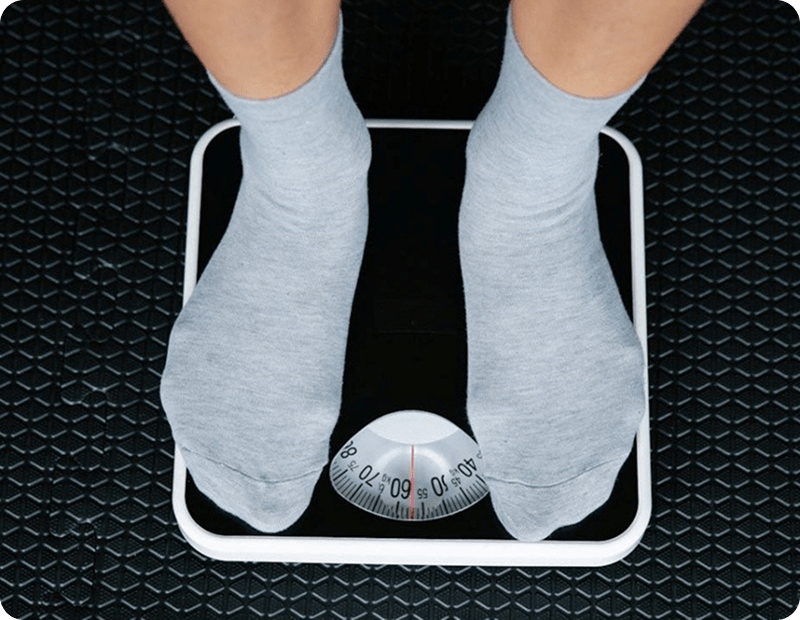

    Individuals with Chronic Conditions

  • Diabetes: Weight loss can significantly improve blood sugar levels and reduce the need for medication.
  • Hypertension: Lowering weight can lead to better blood pressure control.
  • Joint Issues: Reducing weight can alleviate stress on joints, improving mobility and reducing pain.
  • People with Significant Weight to Lose

  • BMI Over 30: Those with a Body Mass Index (BMI) over 30 are considered obese and can benefit from a structured weight loss program.
  • Yo-Yo Dieters: Individuals who have experienced weight cycling and are looking for a sustainable solution.
  • Individuals Seeking a Holistic Approach

  • Personalized Care: Those who prefer a tailored approach that considers their unique health needs and lifestyle.
  • Comprehensive Health Goals: Individuals aiming for overall health improvement, not just weight loss.
  • What Conditions Can Medical Weight Loss Treat?

    Medical weight loss can be an effective treatment for various conditions, often alleviating symptoms or even reversing the course of the disease. Here are some conditions that can benefit from weight loss:

    Metabolic Disorders

  • Type 2 Diabetes: Improved insulin sensitivity and blood sugar control.
  • Metabolic Syndrome: Reduction in risk factors such as high blood pressure, high blood sugar, and abnormal cholesterol levels.
  • Cardiovascular Conditions

  • Hypertension: Lower blood pressure levels.
  • Heart Disease: Reduced risk of heart attacks and strokes.
  • Musculoskeletal Issues

  • Osteoarthritis: Less joint pain and improved function.
  • Back Pain: Alleviation of pressure on the spine, reducing pain and discomfort.
  • Sleep Disorders

  • Sleep Apnea: Reduced severity or complete resolution of sleep apnea symptoms.
  • What Should I Try at Home Before Seeing a Provider for Medical Weight Loss?

    Before seeking professional help, there are several steps you can take at home to kickstart your weight loss journey. These preparatory measures can provide a solid foundation for your medical weight loss program:
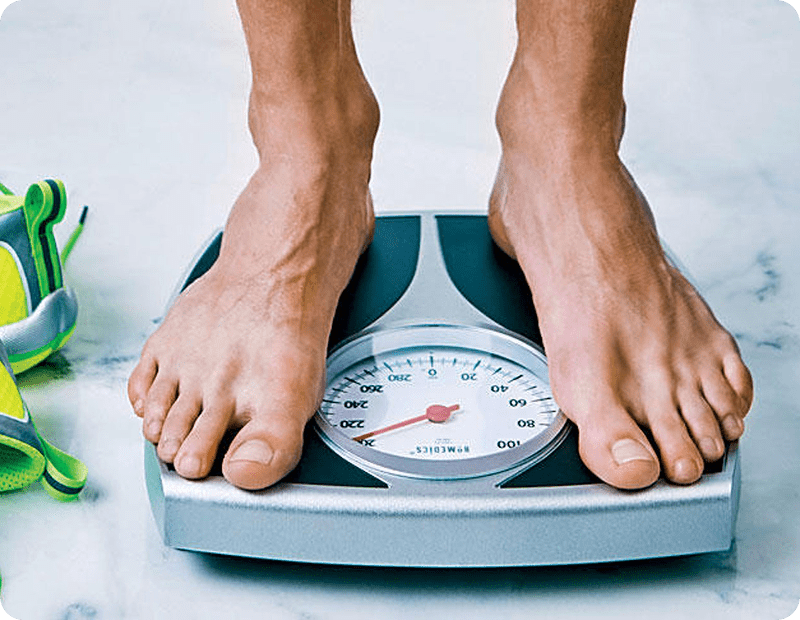

    Dietary Changes

  • Balanced Diet: Focus on a diet rich in fruits, vegetables, lean proteins, and whole grains.
  • Portion Control: Be mindful of portion sizes to avoid overeating.
  • Hydration: Drink plenty of water to stay hydrated and support metabolic processes.
  • Physical Activity

  • Regular Exercise: Aim for at least 150 minutes of moderate aerobic activity or 75 minutes of vigorous activity per week.
  • Strength Training: Incorporate strength training exercises at least twice a week.
  • Behavioral Modifications

  • Mindful Eating: Pay attention to hunger and fullness cues to avoid emotional eating.
  • Sleep Hygiene: Ensure you get 7-9 hours of quality sleep per night, as poor sleep can affect weight.
  • Self-Monitoring

  • Track Progress: Keep a food and exercise journal to monitor your habits and progress.
  • Set Realistic Goals: Establish achievable short-term and long-term weight loss goals.
  • Our Process for Determining if You Are a Candidate for Medical Weight Loss

    At Prime Medicine, we follow a thorough and personalized process to determine if you are a suitable candidate for medical weight loss. This ensures that the program is tailored to your specific needs and health conditions.

    Initial Consultation

    • Comprehensive Assessment: A detailed evaluation of your medical history, current health status, and weight loss goals.
    • Physical Examination: A thorough physical exam to identify any underlying health issues.

    Diagnostic Tests

    • Laboratory Tests: Blood tests to check for conditions such as diabetes, thyroid issues, and cholesterol levels.
    • Body Composition Analysis: Assessment of body fat percentage, muscle mass, and other key metrics.

    Personalized Plan Development

    • Customized Program: Development of a personalized weight loss plan based on your unique needs and goals.
    • Multidisciplinary Approach: Collaboration with dietitians, exercise physiologists, and behavioral therapists to create a comprehensive plan.

    Ongoing Monitoring and Support

    • Regular Check-Ins: Scheduled follow-ups to monitor progress and make necessary adjustments.
    • Support Services: Access to counseling, nutritional advice, and medical supervision throughout the program.

    Success Evaluation

    • Outcome Assessment: Evaluation of your progress towards your weight loss and health goals.
    • Long-Term Strategy: Development of a maintenance plan to ensure long-term success and prevent weight regain.

    By following this structured and personalized approach, Prime Medicine ensures that you receive the most effective and safe medical weight loss program tailored to your needs.

    Medical weight loss is a powerful tool for achieving and maintaining a healthy weight, especially when traditional methods have failed. At Prime Medicine we are committed to providing personalized and comprehensive care to help you reach your weight loss goals and improve your overall health. By integrating advanced medical technologies with a holistic approach, we ensure that your journey to a healthier you is both effective and sustainable.