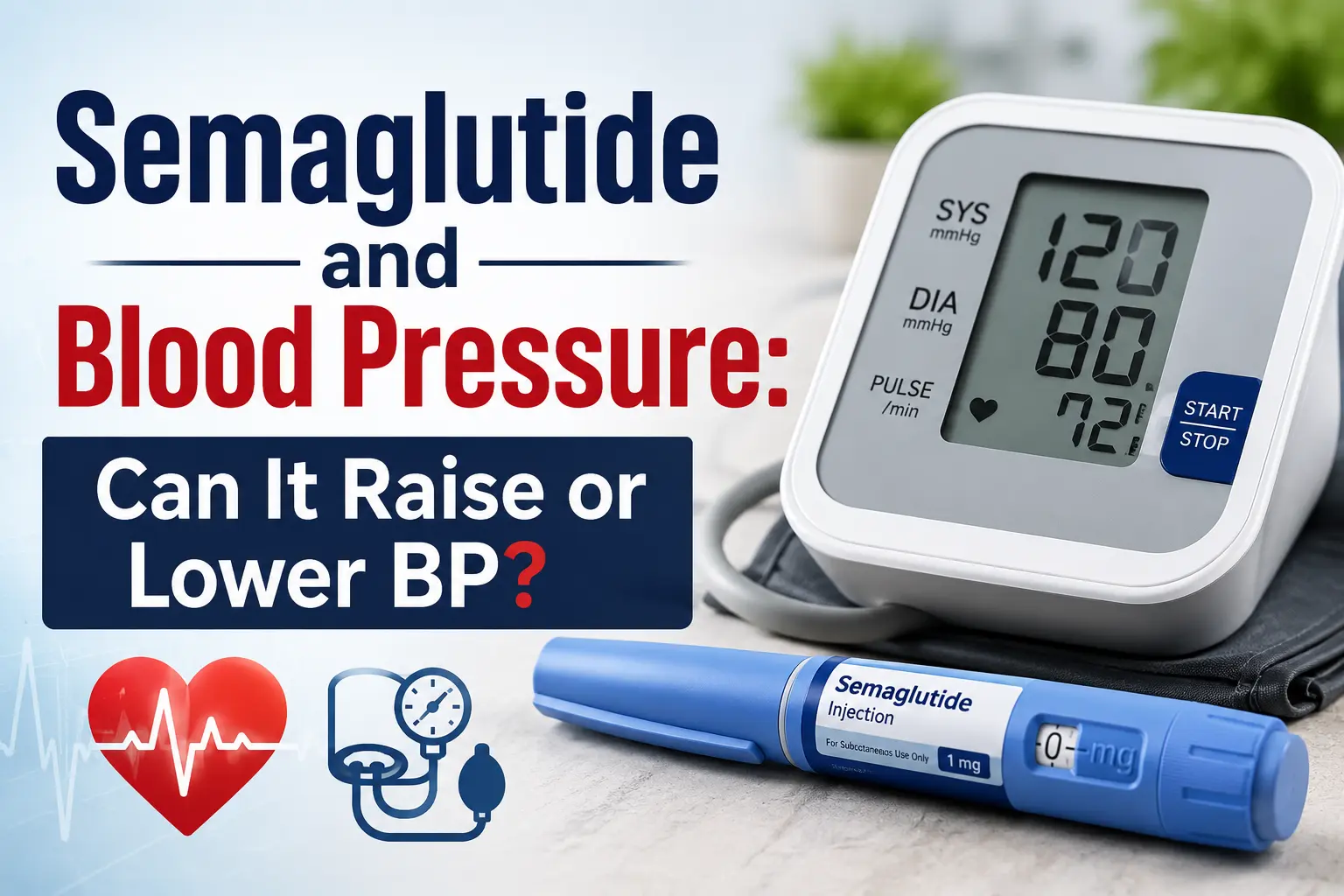
Semaglutide is widely used for weight loss and blood sugar management, but many patients also notice changes in their blood pressure while taking it.
For many people, semaglutide may help lower blood pressure as they lose weight and improve their metabolic health.
Others may experience temporary blood pressure fluctuations, dizziness, or symptoms related to low blood pressure during treatment.
If you already have hypertension or take medication for high blood pressure, it is normal to wonder whether semaglutide is safe and how it may affect your cardiovascular health.
The answer depends on several factors, including your current health, medications, hydration, and how your body responds to weight loss.
SEE IF SEMAGLUTIDE IS RIGHT FOR YOU WEIGHT LOSS JOURNEY
What Is Semaglutide?
Semaglutide is a GLP-1 receptor agonist used to help manage type 2 diabetes and support medical weight loss.
It works by mimicking a naturally occurring hormone called glucagon-like peptide-1 (GLP-1), which helps regulate:
- Appetite
- Blood sugar
- Insulin production
- Digestion
- Feelings of fullness
While semaglutide is best known for weight loss and diabetes management, researchers have also found that it may improve several cardiovascular risk factors, including blood pressure.
Does Semaglutide Lower Blood Pressure?
For many patients, yes.
Research shows that semaglutide may help lower systolic blood pressure, especially in people with obesity, insulin resistance, metabolic syndrome, or type 2 diabetes.
Some studies have shown that patients taking semaglutide experienced measurable improvements in blood pressure alongside weight loss and improved blood sugar control.
Even modest reductions in blood pressure may benefit long-term cardiovascular health.
Many patients notice gradual improvements over several weeks or months as:
- Weight decreases
- Inflammation improves
- Insulin resistance decreases
- Cardiovascular strain is reduced
However, results vary from person to person.
Why Semaglutide May Help Lower Blood Pressure
There are several reasons semaglutide may positively affect blood pressure levels.
Weight Loss Reduces Cardiovascular Strain
Excess body weight places added stress on the heart and blood vessels.
As patients lose weight on semaglutide, the cardiovascular system often becomes more efficient, which may help lower blood pressure naturally.
Losing visceral fat around the abdomen may also improve metabolic and cardiovascular health.
Improved Insulin Sensitivity
Insulin resistance is closely connected to high blood pressure and metabolic syndrome.
Semaglutide may help improve insulin sensitivity, which can support healthier blood pressure regulation.
Reduced Inflammation
Chronic inflammation may contribute to hypertension and cardiovascular disease.
Some research suggests GLP-1 medications may help lower inflammatory activity associated with cardiovascular risk.
Healthier Lifestyle Habits
Many patients taking semaglutide also begin making healthier lifestyle changes, including:
- Eating fewer processed foods
- Reducing sodium intake
- Exercising more consistently
- Drinking more water
- Improving sleep habits
These changes alone may contribute to lower blood pressure readings.
SEE IF SEMAGLUTIDE IS RIGHT FOR YOU
Can Semaglutide Cause High Blood Pressure?
Although semaglutide is more commonly associated with lowering blood pressure, some patients may notice temporary increases or fluctuations.
This may happen for several reasons.
Dehydration
Semaglutide can reduce appetite and may cause nausea, vomiting, or diarrhea in some patients.
If fluid intake becomes too low, dehydration may affect blood pressure regulation.
Rapid Weight Loss and Metabolic Changes
Significant metabolic changes during rapid weight loss may temporarily affect the cardiovascular system while the body adjusts to:
- Reduced calorie intake
- Hormonal changes
- Fluid shifts
- Appetite suppression
Medication Interactions
Patients taking blood pressure medication may experience changes as weight loss improves cardiovascular health.
In some cases, medication adjustments may become necessary.
Caffeine and Stimulants
Some patients increase caffeine intake or use fat burners and pre-workout supplements while trying to lose weight.
These products may independently raise blood pressure.
Can Semaglutide Cause Low Blood Pressure?
Yes, especially in patients already taking medication for hypertension.
As semaglutide helps improve metabolic health and promote weight loss, some patients may become more sensitive to their existing blood pressure medications.
This can occasionally cause low blood pressure, also called hypotension.
Symptoms of low blood pressure may include:
- Dizziness
- Lightheadedness
- Fatigue
- Weakness
- Blurred vision
- Feeling faint
- Rapid heartbeat when standing
- Difficulty concentrating
Some patients notice these symptoms after standing up quickly or during exercise.
This is one reason regular monitoring during treatment is important.
Blood Pressure Fluctuations on Semaglutide
Some people notice blood pressure changes from day to day while taking semaglutide.
Mild fluctuations are not always dangerous, especially during the early stages of treatment.
The body may still be adapting to:
- Weight loss
- Appetite suppression
- Lower calorie intake
- Hydration changes
- Hormonal shifts
However, severe or persistent fluctuations should not be ignored.
You should contact a healthcare provider if you experience:
- Repeated episodes of dizziness
- Very high blood pressure readings
- Fainting
- Severe headaches
- Chest pain
- Shortness of breath
- Rapid or irregular heartbeat
Semaglutide and Blood Pressure Medication
Many patients wonder whether semaglutide can be safely combined with blood pressure medication.
In many cases, it can.
However, medication adjustments may eventually be needed as weight loss improves blood pressure naturally.
This may apply to medications such as:
- ACE inhibitors
- ARBs
- Beta blockers
- Calcium channel blockers
- Diuretics
Some patients eventually require lower doses of blood pressure medication after significant weight loss.
Others continue their medication without changes.
It is important not to stop or adjust blood pressure medication without medical supervision.
Who Should Be Careful When Taking Semaglutide?
Semaglutide may require closer monitoring in patients with:
- Resistant hypertension
- Heart disease
- History of stroke
- Kidney disease
- Severe dehydration
- Cardiovascular complications
- Frequent dizziness or fainting
- Multiple blood pressure medications
A personalized treatment plan is important, especially for patients managing both obesity and cardiovascular conditions.
How to Monitor Blood Pressure While Taking Semaglutide
Monitoring your blood pressure at home may help identify trends and detect potential issues early during treatment.
Helpful tips include:
- Check blood pressure at the same time each day
- Stay properly hydrated
- Monitor symptoms after dose increases
- Keep track of dizziness or fatigue
- Bring blood pressure readings to appointments
- Limit excessive caffeine and stimulant use
Patients with hypertension may benefit from more frequent monitoring during the first few months of treatment.
Signs Your Blood Pressure May Be Too Low
Some reduction in blood pressure is beneficial, but blood pressure that drops too low can lead to complications.
Possible warning signs include:
- Feeling faint
- Blurred vision
- Severe fatigue
- Weakness during physical activity
- Confusion
- Nausea
- Difficulty concentrating
If these symptoms occur, it is important to speak with your healthcare provider.
Can Semaglutide Improve Heart Health?
Research suggests semaglutide may provide cardiovascular benefits beyond weight loss alone.
Some studies have linked semaglutide to improvements in:
- Blood pressure
- Blood sugar control
- Cholesterol levels
- Inflammation
- Cardiovascular risk factors
For some patients, these improvements may help reduce the long-term risk of heart-related complications when combined with proper medical care and healthy lifestyle habits.
When to Call a Doctor
You should seek medical attention if you experience:
- Severe dizziness
- Fainting
- Chest pain
- Shortness of breath
- Extremely high blood pressure readings
- Persistent low blood pressure symptoms
- Severe dehydration
- Rapid or irregular heartbeat
These symptoms may indicate that treatment adjustments are needed.
How PRIME Medicine Help With Semaglutide
At PRIME Medicine, treatment plans are personalized based on each patient’s health history, goals, and cardiovascular risk factors.
For patients managing obesity, metabolic conditions, or high blood pressure, careful monitoring during semaglutide treatment can help support safe and effective results.
If you are considering semaglutide and want to understand how it may affect your blood pressure, working with an experienced medical provider can help you determine the best approach for your long-term health.
FAQs: Semaglutide and Blood Pressure
Does semaglutide lower blood pressure?
Semaglutide may help lower blood pressure in many patients, especially those who are overweight, obese, or living with type 2 diabetes. Weight loss, improved insulin sensitivity, and healthier metabolic function may all contribute to lower blood pressure over time.
Can semaglutide cause high blood pressure?
Although semaglutide is more commonly associated with lowering blood pressure, some people may experience temporary blood pressure fluctuations. Dehydration, rapid weight loss, stress on the body, caffeine intake, and medication interactions may all play a role.
Is semaglutide safe for people with hypertension?
Many people with high blood pressure can safely take semaglutide under medical supervision. In some cases, blood pressure may improve during treatment. However, patients with cardiovascular conditions or those taking multiple blood pressure medications may require closer monitoring.
Should I monitor my blood pressure while taking semaglutide?
Yes, especially if you already have hypertension or take blood pressure medication. Monitoring your blood pressure at home can help identify trends and detect possible issues early during treatment.
Can semaglutide improve heart health?
Research suggests semaglutide may support cardiovascular health by helping improve blood pressure, blood sugar control, inflammation, cholesterol levels, and weight management. These improvements may help lower cardiovascular risk factors in some patients.
What should I avoid while taking semaglutide?
Patients should avoid dehydration, excessive alcohol intake, unregulated weight loss supplements, and excessive stimulant use while taking semaglutide. It is also important to follow medical guidance regarding other medications and lifestyle habits during treatment.