
Does tirzepatide increase testosterone?
Yes, tirzepatide may increase testosterone in men with obesity-related hypogonadism by:
- supporting weight loss
- improving insulin resistance
- lowering inflammation
- reducing estrogen conversion from body fat
However, tirzepatide does not replace testosterone therapy for men with primary hypogonadism or significantly suppressed baseline testosterone levels.
SEE IF TIRZEPATIDE OR TRT IS RIGHT FOR YOU
Does Tirzepatide Increase Testosterone?
Research suggests that tirzepatide can raise testosterone levels in certain men, particularly those with obesity, metabolic syndrome, or insulin resistance.
In these cases, low testosterone often develops as a secondary effect of metabolic dysfunction rather than a primary testicular issue.
As body weight decreases and metabolic health improves, testosterone levels may rise naturally.
Most men see gradual improvement over several months, though results vary depending on baseline hormone levels and overall health.
How Tirzepatide May Improve Testosterone Levels
Let’s take a look at how tirzepatide can benefit your testosterone levels:
Weight Loss and Hormonal Balance
Studies show excess body fat, especially visceral fat, can disrupt hormone balance.
Fat tissue converts testosterone into estradiol through aromatization.
As fat mass decreases, this conversion slows, helping testosterone levels stabilize or improve.
Even moderate weight loss (around 5–10% of body weight) has been associated with hormonal improvements in some men.
Improved Insulin Sensitivity
Insulin resistance is strongly linked to suppressed testosterone production.
By improving insulin signaling and reducing metabolic strain, tirzepatide may help restore healthier hormone regulation between the brain and testes.
Reduced Inflammation
Chronic inflammation often accompanies obesity and metabolic syndrome.
Elevated inflammatory markers may interfere with hormone production and regulation.
Improvements in metabolic health may indirectly support testosterone levels.
SHBG Changes
Weight loss and improved metabolic health may increase sex hormone-binding globulin (SHBG), which helps regulate circulating testosterone and supports a healthier balance of free (active) hormone.
Key Study Findings on Tirzepatide and Testosterone
Clinical research has shown promising results for tirzepatide and testosterone in men with obesity-related hypogonadism.
Studies have reported:
- modest increases in total testosterone levels
- improvements in sexual function scores
- better metabolic markers alongside hormonal gains
These improvements appear closely tied to weight loss and metabolic recovery.
Men with primary hypogonadism typically do not see the same hormonal response from weight-focused therapies alone.
Tirzepatide vs Testosterone Therapy
Tirzepatide and testosterone therapy serve different purposes, though they may overlap in certain cases.
| Factor | Tirzepatide | Testosterone Therapy |
| Primary purpose | Metabolic improvement and weight loss | Direct hormone replacement |
| Effect on testosterone | Indirect increase possible | Direct increase |
| Best for | Obesity-related low T | Primary hypogonadism |
| Speed of results | Gradual | Faster hormonal response |
| Long-term focus | Root metabolic causes | Symptom management |
Can Tirzepatide and TRT Be Used Together?
In some cases, yes.
Combination therapy may be helpful for men who have both metabolic dysfunction and confirmed hypogonadism.
A provider may recommend using tirzepatide to address metabolic factors while testosterone therapy treats persistent hormone deficiency.
Close monitoring is important to track labs, symptoms, and overall response.
How Much Does Tirzepatide Increase Testosterone?
The increase varies widely.
Some research shows modest rises in total testosterone as metabolic health improves.
In practical terms:
• Men with mild low testosterone may see normalization
• Men with moderate deficiencies may see partial improvement
• Men with severe hypogonadism often still require TRT
Results depend on treatment consistency, weight loss progress, sleep quality, stress levels, and underlying medical conditions.
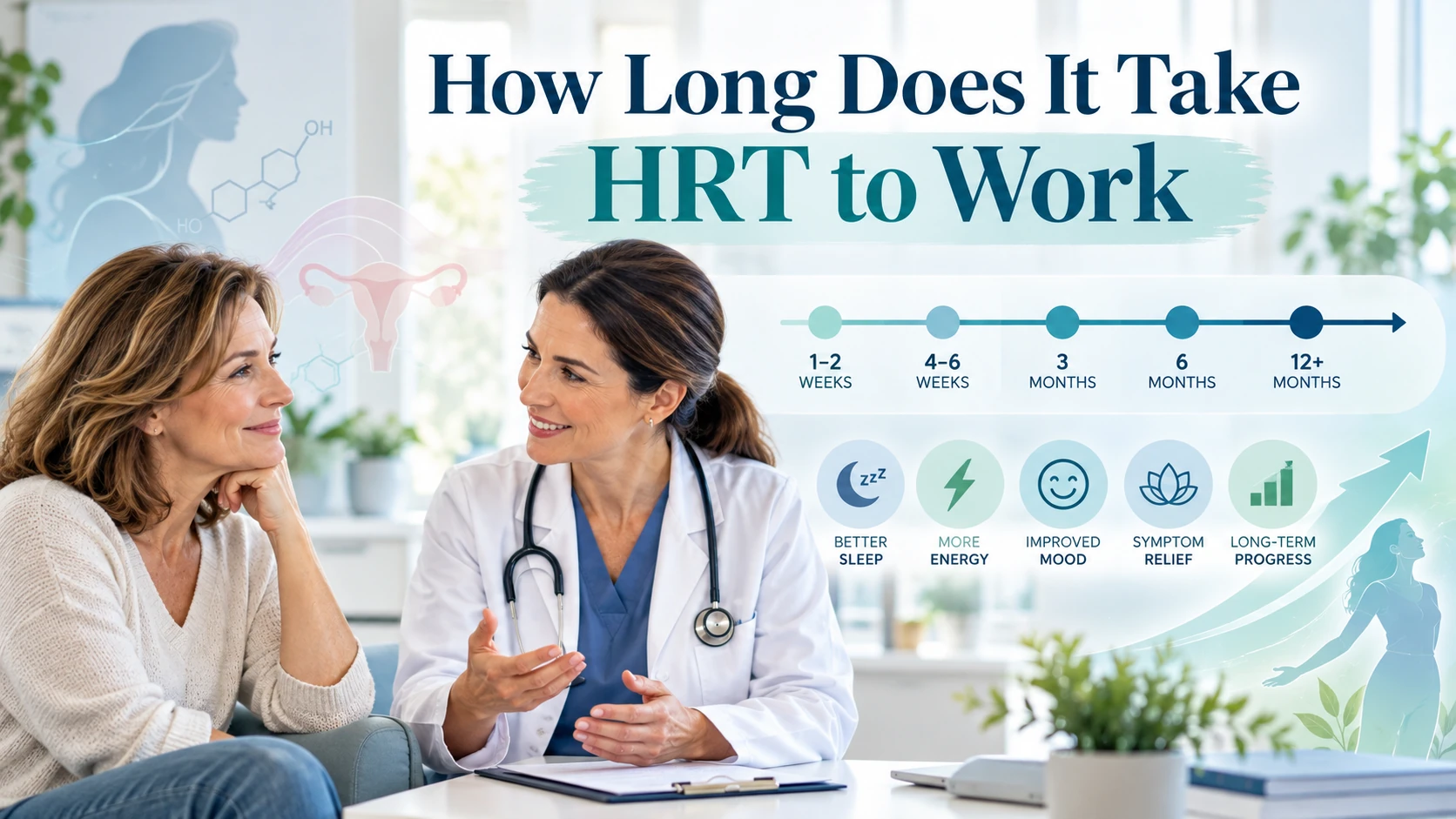
Timeline: When Results Typically Happen
| Timeline | What You May Notice |
| Weeks 4–8 | Early metabolic changes, subtle energy improvements |
| Weeks 8–16 | Continued weight loss, gradual hormonal shifts, improved stamina |
| 4–6 months | Possible increases in libido, mood, and testosterone levels |
| 6–12 months | Full metabolic and hormonal benefits may develop |
Hormonal changes typically follow sustained improvements in weight and metabolic health.
Signs Your Low Testosterone May Be Metabolic
Low testosterone linked to metabolic dysfunction often presents with:
- increased abdominal fat
- fatigue after meals
- low energy despite adequate sleep
- borderline or mildly low testosterone levels
- insulin resistance or prediabetes
Men with these features may respond particularly well to metabolic-focused treatment approaches.
Who Benefits Most From Tirzepatide for Low Testosterone? (And Who Doesn’t)
Tirzepatide may be especially helpful for men who:
- have obesity or excess visceral fat
- show signs of insulin resistance or metabolic syndrome
- have borderline or mildly low testosterone
- experience fatigue, low libido, or reduced energy tied to metabolic health
It may be less effective for men with:
- primary hypogonadism
- genetic or structural hormone disorders
- very low baseline testosterone unrelated to metabolic health
Limitations and Realistic Expectations
While tirzepatide shows promise, it is not a guaranteed solution for low testosterone.
Some men experience only modest hormonal improvements despite significant weight loss.
Other factors that influence testosterone levels include:
- sleep quality
- stress levels
- alcohol intake
- medications
- age-related hormonal decline
A comprehensive evaluation helps determine the best treatment approach.
When Testosterone Therapy May Still Be Needed
Testosterone therapy may remain appropriate for men who:
- have persistently low levels despite weight loss
- experience ongoing symptoms affecting quality of life
- have confirmed primary hypogonadism
- do not respond adequately to metabolic interventions
In some cases, combining lifestyle strategies, metabolic treatment, and hormone therapy provides the best outcome.
Tirzepatide and Testosterone Treatment at PRIME Medicine
At PRIME Medicine, care is individualized based on each patient’s metabolic health, symptoms, and hormone levels.
Evaluation may include detailed lab testing, body composition analysis, and a full review of lifestyle and medical history.
Treatment plans focus on addressing root causes while supporting long-term hormone balance, energy, and overall health.
The Bottom Line: Tirzepatide and Testosterone
Tirzepatide and testosterone are closely connected through metabolic health.
For men with obesity-related low testosterone, improving weight and insulin sensitivity may naturally support hormone balance.
However, results vary, and individualized care is key to determining whether metabolic treatment, hormone therapy, or both offer the best outcome.
FAQs: Tirzepatide and Testosterone
Can tirzepatide increase your testosterone?
Yes, tirzepatide may increase testosterone in men with obesity-related low testosterone by improving weight, insulin sensitivity, and overall metabolic health. However, results vary and it does not replace testosterone therapy for primary hypogonadism.
Can I take tirzepatide and TRT?
In many cases, yes. Some men benefit from using tirzepatide alongside testosterone therapy, especially if metabolic issues and true hypogonadism coexist. A healthcare provider should monitor labs and symptoms closely.
What hormones are affected by tirzepatide?
Tirzepatide primarily affects GLP-1 and GIP pathways that regulate blood sugar and appetite. Indirectly, it may influence insulin, glucagon, leptin, testosterone, and estrogen levels through metabolic changes.
What to avoid while on tirzepatide?
It’s generally best to avoid overeating, heavy alcohol use, and very high-fat meals early in treatment, as these may worsen gastrointestinal side effects. Follow your provider’s dietary and lifestyle guidance.
When does tirzepatide peak?
After an injection, tirzepatide typically reaches peak levels within about 24–48 hours. Its long half-life supports steady effects throughout the week.